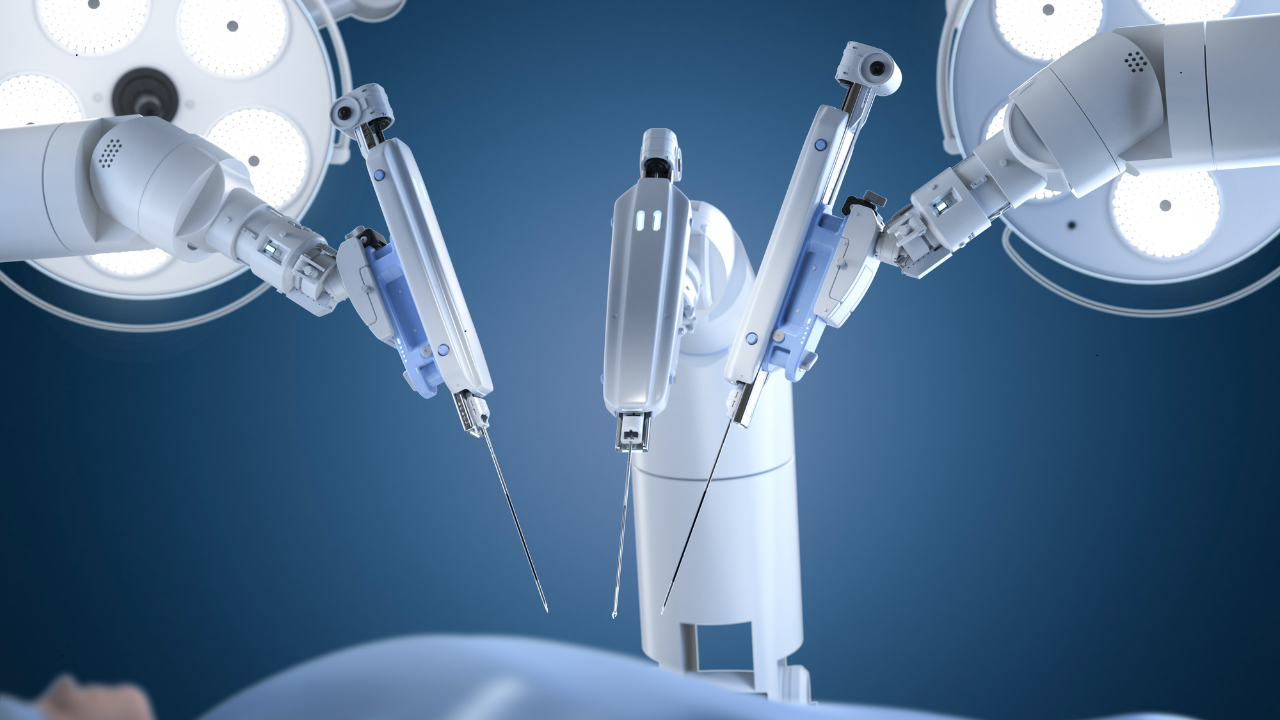
Most people who hear the words “robotic surgery” picture something from a science fiction film. A machine operating independently, the surgeon watching from across the room. The reality is considerably less dramatic and considerably more reassuring.In robotic-assisted surgery, the surgeon is in control throughout the procedure. The robotic system does not make independent decisions. It functions as a precision instrument, translating the surgeon’s movements into actions with a degree of accuracy that is difficult to achieve through conventional techniques alone. A useful parallel is GPS navigation — the driver still steers, still makes every turn, still decides the route. The technology makes the execution more reliable.What this means for patients, practically, is a procedure designed to do what it needs to do with less disruption to the surrounding tissue. Less disruption means less post-operative pain. Less pain means rehabilitation begins sooner. And sooner rehabilitation means the things patients actually care about — walking without discomfort, climbing stairs, travelling, returning to work — come back faster.This is why robotic surgery has gained traction in orthopedics in particular. Joint replacement patients are not looking for a technical achievement. They are looking to move again. They want to walk to the kitchen without wincing, attend a family function without sitting out the evening, and pick up their grandchildren. The recovery is the point, and the precision that robotic assistance enables is what makes that recovery more predictable.There are persistent myths worth addressing directly. That robotic surgery is risky because it relies on machines — it is not, because the surgeon remains in control and the system includes multiple real-time safety checks. That it is only accessible in premium or specialty settings — increasingly, it is not. That the higher upfront cost cannot be justified — for many patients, the shorter hospital stay, lower post-operative pain, and reduced likelihood of complications make the calculus straightforward.Healthcare is moving toward precision and personalization, and patients are moving with it. The question most people are now asking before surgery is not only whether the procedure will work. It is how quickly and how fully they will get their life back afterward. Robotic-assisted surgery was built to answer that question.