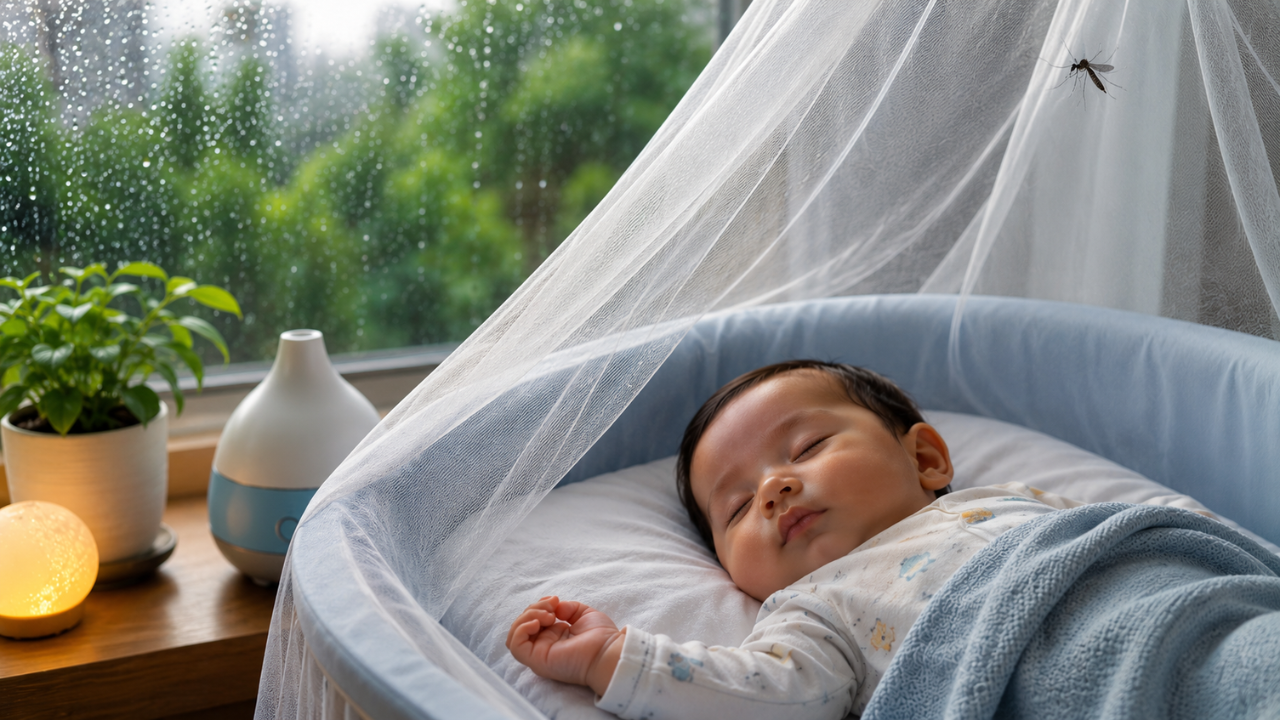
With the onset of the monsoon season, the heat of the summer is no longer an issue; however, it ushers in an invisible threat to public health. With stagnant water being the perfect breeding ground for Aedes and Anopheles mosquitoes, diseases such as dengue, malaria, and chikungunya cases increase dramatically among both rural and urban areas in India. For the young ones who have not yet developed a fully functional immune system, a simple bite could cause dehydration, high fever, and other serious complications. However, in an effort to ensure their children are protected, the mothers use harmful insecticides which inadvertently end up putting their sensitive skin and breathing tract in harm’s way. The Hidden Danger: Chemical Exposure vs. Vector Risk The skin of a baby is 30% thinner than that of an adult and thus highly permeable, making it possible for chemicals absorbed through the skin to enter the body very fast. Chemical repellants in adult formulas, with high levels of DEET, transfluthrin, or synthetic fragrances, may be dangerous as they may lead to irritation, breathing difficulties, and toxicity in case the baby swallows the chemicals due to hand-to-mouth behaviours. It has been emphasized by international pediatric guidelines that babies under two months old should never come into contact with any chemical repellent on their skin.Also read: Beware! Common Mistakes New Parents Make During Their Baby’s First Monsoon The Gold Standard: Physical Barriers Over Chemical Sheaths With regard to safety in infants, there is no question that non-chemical physical barriers are always the foremost priority. The use of cot, stroller, and window nettings that have apertures smaller than 1.2mm prevent mosquitoes from getting access to the sleeping areas without compromising air flow and without releasing any toxic chemicals into the nursery environment. In addition, it is important to note that careful selection of appropriate clothes is essential; this means choosing loose-fitting and light coloured full body cotton clothes for the infant as they will naturally protect them as dark colours attract mosquitoes and tight clothes will give them easy access to the body for biting.Also read: Milestone In Kala-Azar Treatment: WHO Updates Treatment Guidelines, Recommends Shorter & Safer Regimens Smart Protocol: Fabric-Only & Botanical Innovation As a method of active protection outdoors or for biting time in the early mornings and evenings, parents must resort to fabric application only. The natural roll-ons and patches that use botanicals such as Citronella, Eucalyptus, and Lemongrass oil must be used only on the outside of the hem of clothes, strollers, or cot corners and never on the body of the baby. Also, the use of chemical vaporizers or coil repellants in an enclosed nursery where the child is sleeping must be avoided as these are inhaled and can cause irritation of the air passage.By Dr. Bharat Jain, Senior Consultant Paediatrician and Neonatologist, Cocoon Hospital, Chandigarh