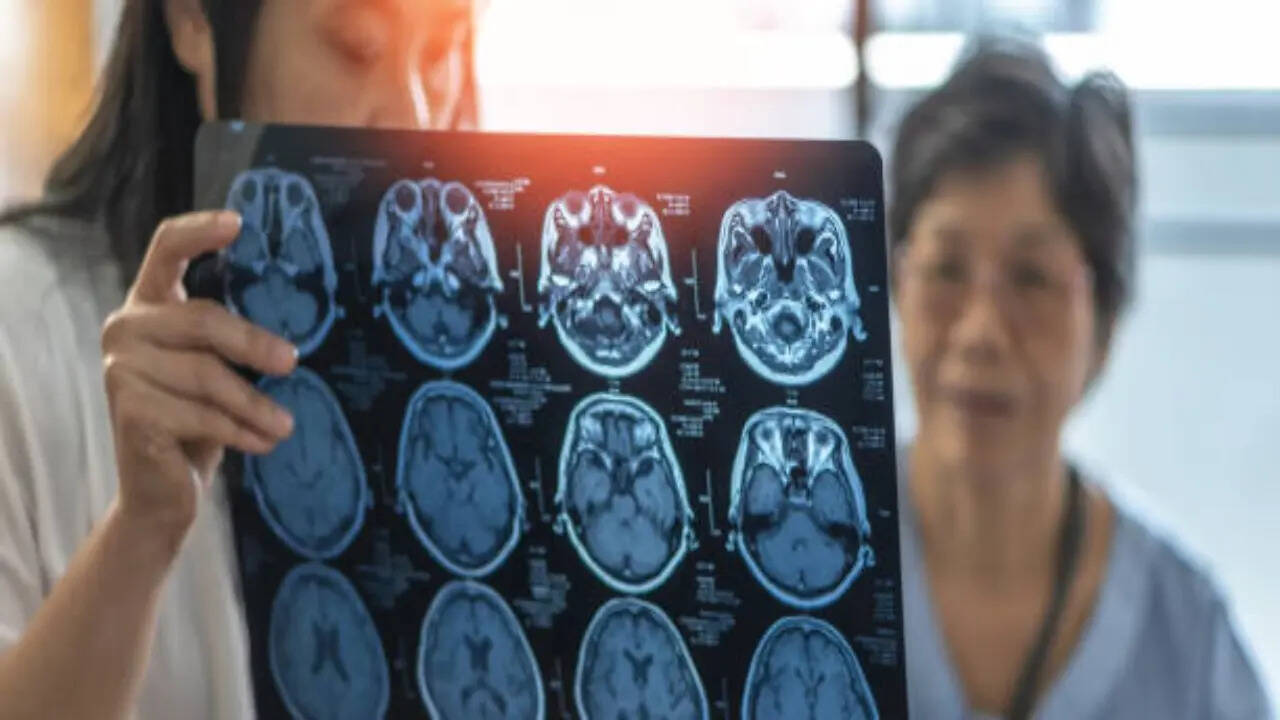
Iron deficiency, or anaemia, is a common occurrence these days, especially in women. However, a study’s findings will make you stop normalising low iron levels—it turns out that anaemic people are more likely to develop dementia later in life. Experts have long warned about low iron levels and advised rectifying the condition as soon as it is diagnosed. Swedish scientists have recently found that anaemic people are 60 per cent more likely to develop dementia later in life.How does iron deficiency raise dementia risk later?Writing in the journal JAMA Network Open, scientists noted that dangerously low levels of iron can dramatically raise the risk of dementia in old age. Research suggests that people who are severely anaemic are more likely to face problems with thinking, understanding, and memory later in life. For this, Swedish researchers tracked thousands of people aged 60 years and above for about a decade and discovered that people living with anaemia were 60 per cent more likely to develop dementia later in life.Researchers said that the findings were important for understanding that anaemia could also qualify as a risk factor for dementia, apart from family history. However, the study does not conclusively prove that anaemia triggers dementia later in life. Experts from theKarolinska Institute said that anaemia patients exhibit a higher risk of dementia, along with elevated levels of Alzheimer’s-related blood biomarkers. The findings, therefore, suggest that anaemia is a relevant factor to consider in dementia prevention strategies.Study’s findings explainedIn the study, researchers tracked 2,282 volunteers aged 60 years and above who showed no symptoms of dementia. Blood samples were also analysed to check for levels of tau, a toxic protein that spreads in the brain. Experts found that clumps of this protein and amyloid can form tangles in the brain, thereby resulting in Alzheimer’s-like symptoms.Are men more prone to anaemia-related dementia?While evaluating blood samples for haemoglobin levels to diagnose anaemia, researchers followed up for over nine years and found that 362 of the participants had developed the condition. Compared to people with normal haemoglobin levels, anaemic people had higher levels of tau. During the follow-up period, anaemic people were 66 per cent more likely to develop dementia. Experts also noted that anaemia was associated with a higher risk of dementia in men compared to women, despite anaemia being a concern more often for women. This could be because, in men, anaemia is often driven by inflammation or chronic diseases.What is anaemia?Anaemia is a condition characterised by iron deficiency—in this condition, the number of red blood cells or haemoglobin is lower than normal. Iron is essential for the creation of red blood cells that help transport oxygen in the body. The symptoms of anaemia include palpitations, shortness of breath, or pale skin. Other symptoms include hair loss, mouth ulcers, or tinnitus.What triggers anaemia?Sometimes, anaemia can be triggered by excessive bleeding during periods or bleeding in the intestines or stomach. Overuse of anti-inflammatory drugs can also trigger the condition. Doctors say that eating iron-rich foods like leafy greens, red meat, and lentils can boost iron levels in the body.