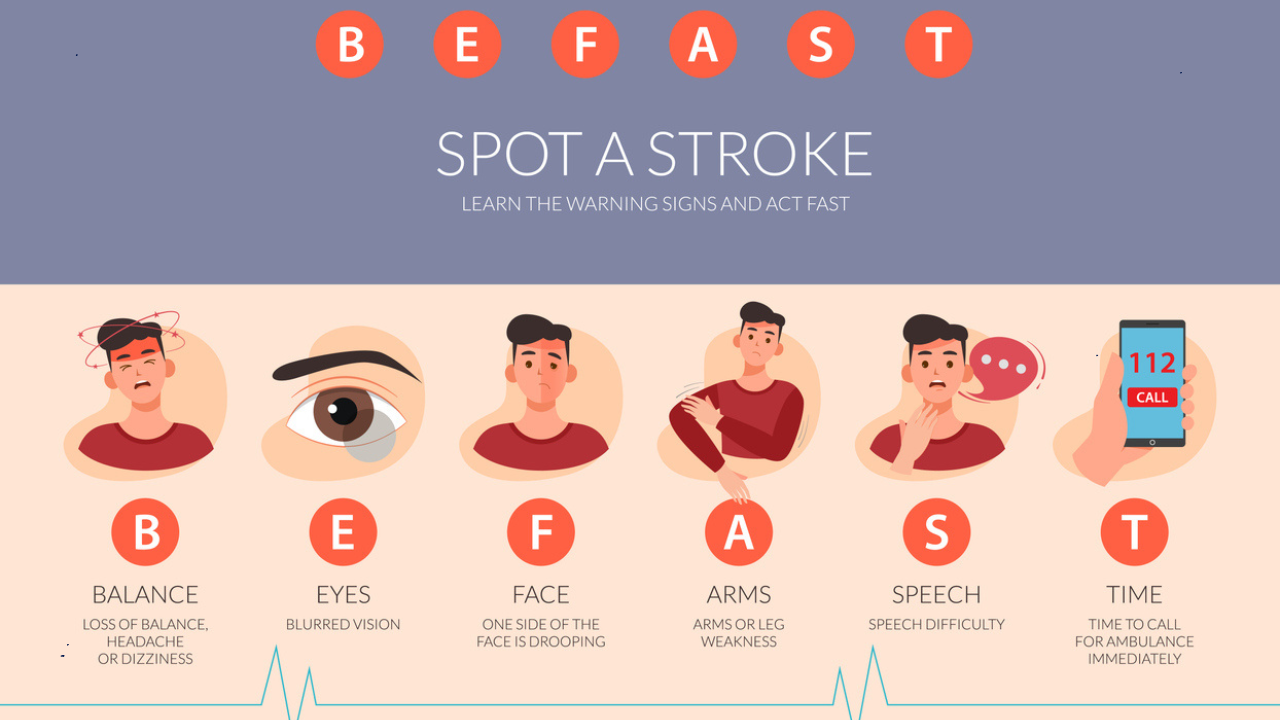
A stroke can happen suddenly and without warning, making every minute count. The first 60 minutes after the onset of stroke symptoms are crucial because timely medical treatment can help reduce brain damage and improve recovery.What is a Stroke?A stroke happens when the blood flow to an area of the brain is cut off due to either the blockage of a blood vessel supplying that area or the bursting of the said blood vessel. Without adequate blood flow, brain cells are deprived of oxygen and nutrients and begin to be damaged within minutes.What Happens During the Golden Hour?The first hour after a stroke is focused on rapid assessment and treatment. Once the patient reaches the hospital, doctors evaluate the symptoms, determine when they started, and perform an urgent brain scan, usually a CT scan, to identify the type of stroke.This step is important because treatment depends on whether the stroke is caused by a blocked artery (ischemic stroke) or bleeding in the brain (hemorrhagic stroke). For eligible patients with an ischemic stroke, clot-dissolving medication or a procedure to remove the clot may be considered.Although treatment windows may extend beyond the first hour for some patients, reaching the hospital as early as possible offers the greatest chance of saving brain tissue. In most patients, clot-dissolving medication is given within 4.5 hours of symptom onset, while selected patients may be eligible for treatment up to 9 hours. Mechanical clot removal is generally performed within 6 hours, although carefully selected patients may benefit from the procedure up to 24 hours after symptoms begin. However, earlier treatment is associated with better protection of brain tissue and improved outcomes.Know the Warning SignsRecognizing stroke symptoms early can help save valuable time. The BEFAST acronym is a simple way to remember the common warning signs:B – Sudden loss of balance or coordinationE – Sudden vision loss or changes in one or both eyesF – Face drooping A – Arm weakness S – Speech difficulty T – Time to call emergency medical services Other symptoms may include sudden loss of vision, dizziness, difficulty walking, numbness on one side of the body, confusion, or a sudden, severe headache.Why Every Minute MattersDuring a stroke, brain cells continue to be damaged as blood flow remains interrupted. Delays in reaching the hospital can limit treatment options and increase the risk of long-term disability. Seeking medical care as early as possible gives doctors the best chance to provide appropriate treatment.What Should You Do?If you notice stroke symptoms in yourself or someone else, do not ignore them or wait for them to improve. Call emergency medical services immediately and note the time the symptoms first appeared, as this information helps doctors decide the most suitable treatment.The golden hour is a critical window during which timely action can significantly improve outcomes. Recognizing the signs of stroke and seeking immediate medical care can make a meaningful difference in recovery.