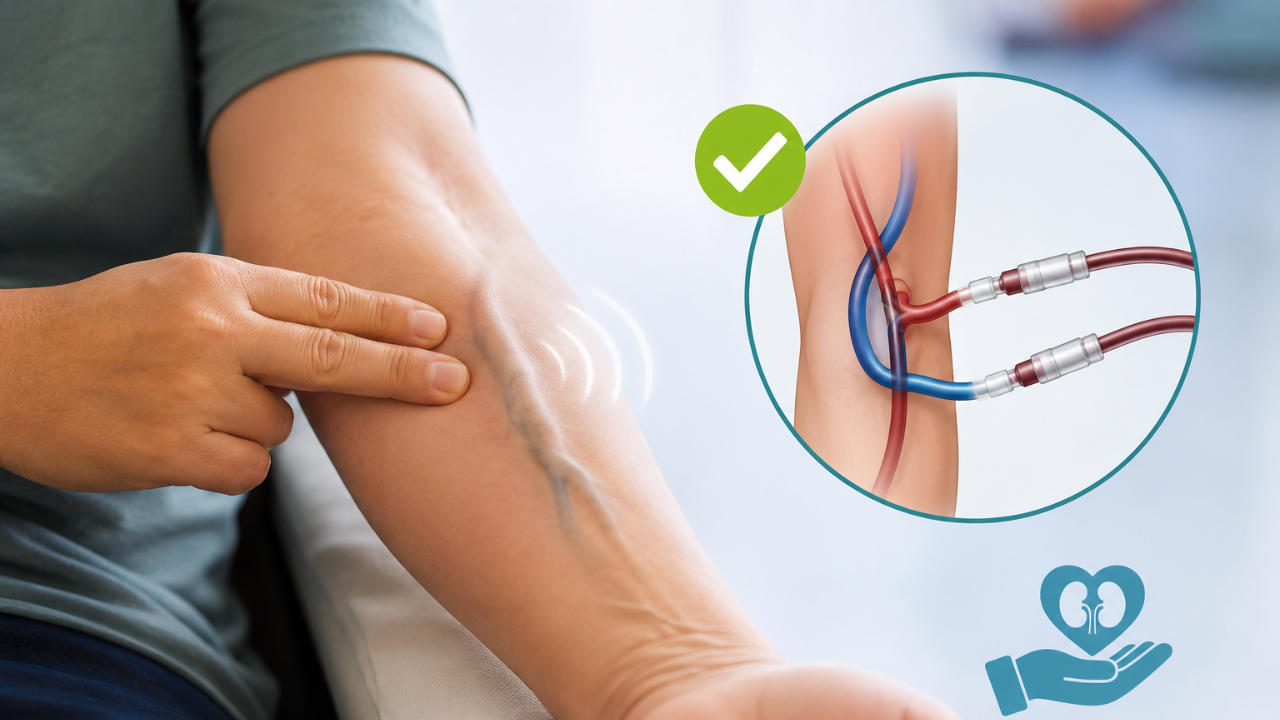
When we think of dialysis, we often picture a machine filtering blood and keeping patients alive. What rarely comes to mind is the small blood vessel in the arm that makes the entire process possible. For every patient on haemodialysis, the arteriovenous (AV) fistula is quite literally a lifeline. Without it, dialysis cannot be performed effectively. Yet, despite being one of the most important parts of treatment, fistula care remains one of the least understood aspects of kidney disease. This silent gap in awareness is costing patients their lifeline. A Growing Burden That We Cannot Ignore India adds nearly 2.2 lakh new patients with end-stage kidney disease every year, creating a demand for over 3.4 crore dialysis sessions annually. One of the biggest challenges we see in clinical practice is that patients often seek medical help only after the fistula has already stopped functioning. The warning signs are usually ignored. The vibration over the fistula becomes weaker. The arm begins to swell. Bleeding continues longer than usual after dialysis. Needle insertion becomes increasingly difficult. Sometimes dialysis itself becomes less effective. By the time patients reach an interventional radiologist or vascular specialist, the fistula may already have developed significant narrowing (stenosis) or complete blockage. Unfortunately, many of these complications are preventable if detected early. In our experience, nearly 30% of patients eventually lose their fistula because they report too late, when timely intervention could have salvaged access.Also read: COVID Spikes In India: Experts Allay Fears, Stress Vaccination And Masks Why Does This Keep Happening? Unlike diabetes or blood pressure, there is no widespread public awareness around fistula surveillance. Many dialysis patients receive instructions on medicines and dialysis schedules but very little education on how to examine their fistula every day. There is also no universally implemented patient education protocol across dialysis centres, leading to inconsistent awareness about fistula care. The result is simple: patients unknowingly damage the very access that keeps them alive. Your Fistula Speaks Every Day - Learn To Listen Patients should examine their fistula daily. A healthy fistula has a continuous buzzing sensation or “thrill.” If this vibration becomes weak or disappears, medical attention should be sought immediately. Similarly, swelling of the arm, redness, prolonged bleeding after dialysis, pain around the fistula, or difficulty during needle insertion should never be dismissed as routine. These are early warning signs - not inconveniences.Also read: Omicron Sub-Lineages Likely Behind COVID Surge In India: Why Deaths Are Occurring Five Simple Habits That Can Save A Fistula Feel the fistula every day for its characteristic vibration.Never allow blood pressure measurement, blood draws or intravenous injections on the fistula arm.Avoid carrying heavy weights or sleeping on the access arm.Maintain good hygiene around the fistula site.Report any change in blood flow, swelling or bleeding immediately instead of waiting for the next dialysis session. These small daily habits can often extend the life of a fistula by years. Early Detection Can Prevent Major Procedures One of the greatest advances in dialysis access care is that many fistula problems no longer require open surgery. If narrowing is detected early, minimally invasive image-guided procedures such as fistuloplasty (balloon angioplasty) can restore blood flow, preserve the existing fistula and help patients continue dialysis without interruption. The key, however, is timing. A fistula that is evaluated early is often salvageable. A fistula ignored for weeks may not be. We Must Shift Our Focus from Creating Fistulas To Preserving Them Every successful fistula represents months of planning, surgery and healing. Losing it means additional procedures, temporary catheters, higher infection risk, increased costs and emotional distress for patients already living with chronic kidney disease. As doctors, we have become increasingly skilled at creating dialysis access. The next challenge is ensuring patients know how to protect it. Because for someone living with kidney failure, the fistula is not just another blood vessel. It is the lifeline that keeps life moving.By Dr. Avik Bhattacharyya, Senior Consultant - Interventional Radiology, CK Birla Hospitals, CMRI