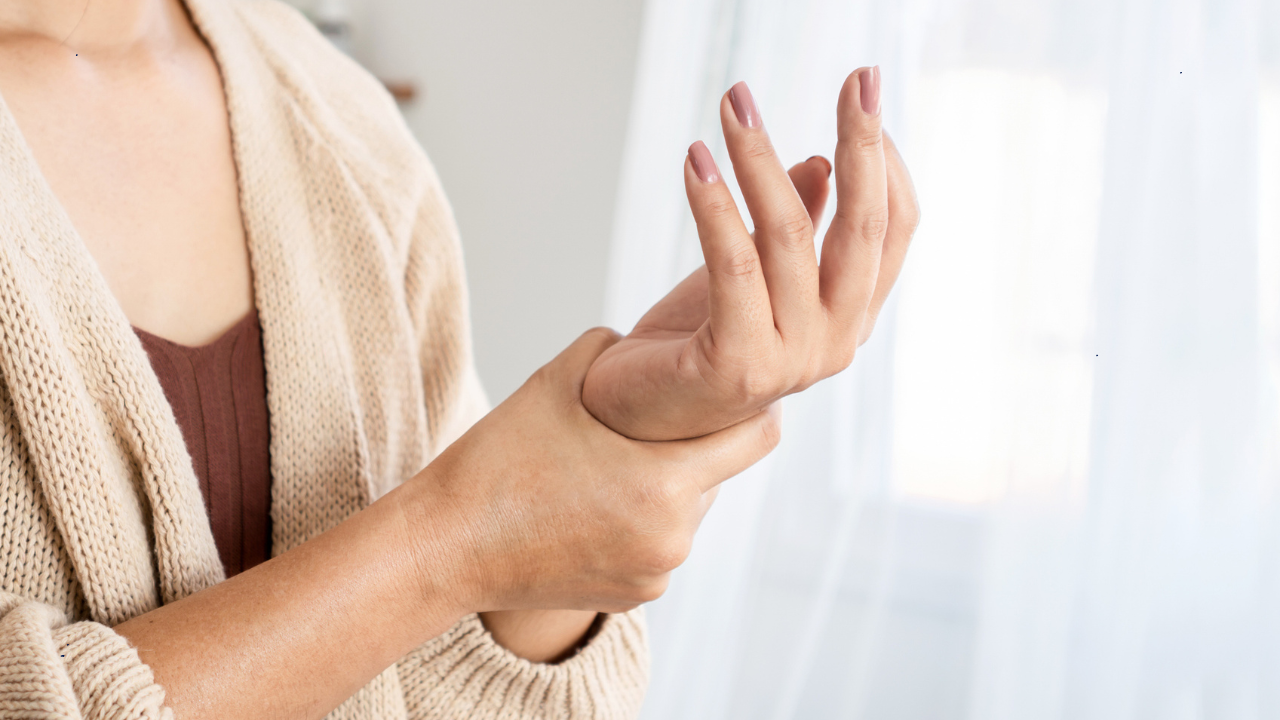
Between climbing the career ladder, raising kids, and keeping everything else running smoothly, there's rarely a spare moment when women should stop and check in with their own bodies. Yet these same demanding years are often when certain autoimmune and chronic conditions first start to surface. The early signs tend to be so mild and easy to explain away that most women simply put them down to stress, lack of sleep, or an overly full plate.Some of the autoimmune conditions that commonly fly under the radar include:· Lupus· Rheumatoid arthritis· Sjogren’s syndrome· Systemic sclerosis· Psoriatic arthritisFamily history matters more than most women realize. Autoimmune conditions often have a genetic component, and having a parent, sibling, or close relative with an autoimmune disorder meaningfully raises the likelihood of developing one yourself, even if the specific condition isn't identical. If this applies to a woman, the symptoms below deserve even closer attention and a lower threshold for seeking medical advice, rather than waiting to see if they resolve on their own.So, when should women get it checked? If any of these symptoms stick around rather than passing after a good night's sleep, it's worth paying attention:· Fatigue that doesn't go away no matter how much rest you get· Joint pain or stiffness, especially in the morning· Unexplained aches in your muscles· Skin rashes or a new sensitivity to sunlight· Sudden shifts in your weight or energy levelsIt is advised not to dismiss them, particularly if they've been going on for a few weeks. Early detection changes everything. It is observed that the difference between a manageable condition and a complicated one often comes down to how soon it was caught. Diagnose early, and treatment can be initiated before the disease has a chance to progress, allowing a patient to continue living life on her own terms, not one dictated by illness.That said, the fundamentals of good health have never changed, and we continue to emphasize routine check-ups, a balanced diet, adequate sleep, regular physical activity, and sound stress management. But if there is one thing every woman should take seriously, it is to learn to listen to your own body. You know it better than anyone else. If something feels different, do not dismiss it or wait it out; seek an opinion. Awareness combined with timely action is what ultimately allows a woman to lead a full, active life both professionally and personally, well into her later years. (Dr. Chirag Rajkumar Kopp, Consultant - Rheumatology & Clinical Immunology, Ramaiah Memorial Hospital, Bengaluru)