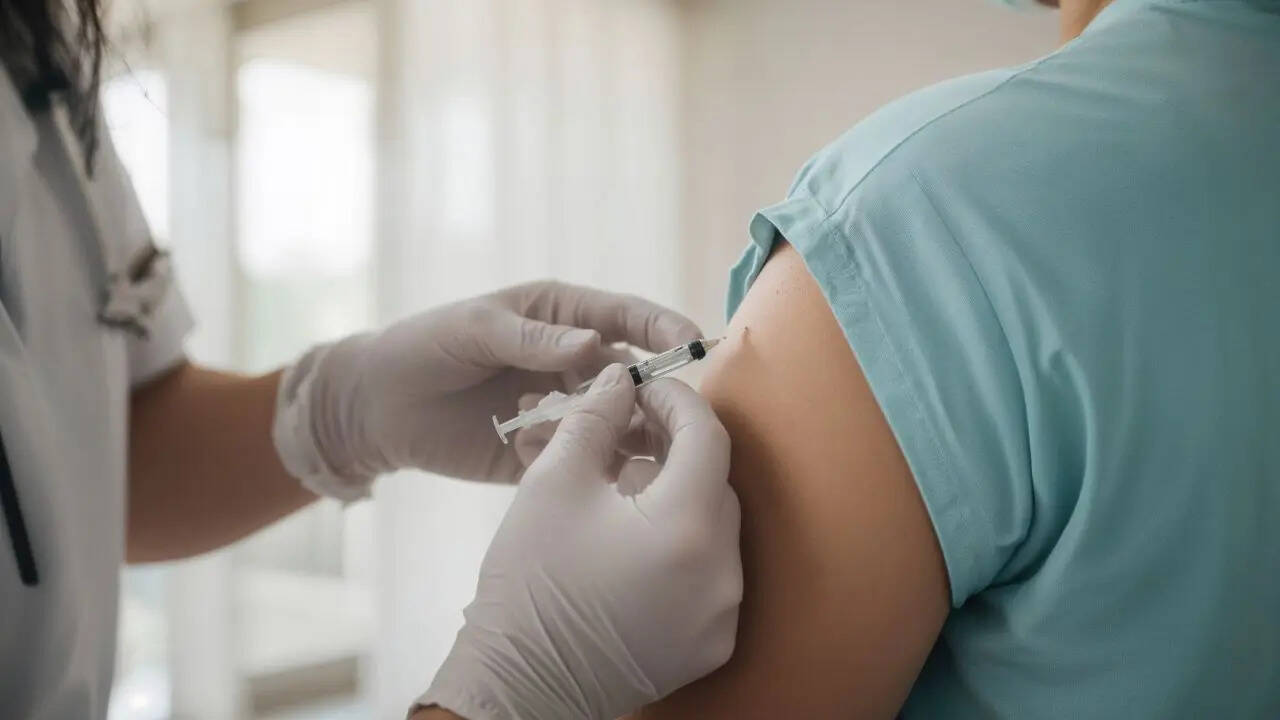
Scientists have found that a single dose of the shingles vaccine may do more than protect against the painful viral infection. It may also help slow biological ageing in older adults. Researchers from the University of Southern California say the vaccine, commonly given to seniors, could have benefits beyond shingles prevention. The findings come from a study involving over 3,800 people, which showed that vaccinated individuals had fewer signs of biological ageing and lower inflammation levels than those who had not received the shot.What Is Shingles?Shingles is a viral condition known for causing a painful, blistering rash. It can appear on different parts of the body but usually shows up as a band of blisters running along one side of the torso. The infection is caused by the varicella-zoster virus, the same virus responsible for chickenpox. Even after recovery from chickenpox, the virus remains dormant in the body and can reactivate years later as shingles, according to the Cleveland Clinic.While shingles is not usually life-threatening, it can be extremely uncomfortable. Vaccination significantly reduces the risk of developing shingles. Starting treatment early can shorten the duration of the illness and lower the risk of complications. One of the most common complications is postherpetic neuralgia, a condition where nerve pain continues long after the rash has healed.Shingles Vaccine May Slow Biological Aging In Older AdultsA recent study by the University of Southern California suggests that the shingles vaccine recommended for older adults may help slow down ageing at a biological level, in addition to preventing infection. “While more research is needed to confirm and expand on these results … our findings add to growing evidence that vaccines may support healthy ageing, not just prevent short-term illness,” said Eileen Crimmins, a co-author of the study, in a statement. To explore this further, Crimmins and her team focused on people who had received the shingles vaccine.Shingles Virus Reactivates Later in LifeAlthough chickenpox is now uncommon in children, with cases dropping by over 97 percent since the vaccine became part of routine childhood immunisation in 1995, more than 95 percent of adults in the US were infected before that change, according to the CDC. At present, around one million Americans develop shingles every year.Health authorities recommend that adults aged 50 and above receive two doses of the shingles vaccine. This not only lowers the risk of infection but also reduces the chances of postherpetic neuralgia, a lingering nerve pain that can persist for months or even years after the rash disappears.Why Biological Age Matters More Than Your Actual AgeThe researchers analysed data from more than 3,800 adults aged 70 and older, using information from the nationally representative US Health and Retirement Study. Blood samples were examined to assess seven different indicators of biological ageing.Unlike chronological age, which simply counts years lived, biological ageing reflects how well the body’s organs and systems are functioning over time.Shingles Vaccine: Lower Inflammation, Healthier AgeingResults showed that vaccinated participants had noticeably lower levels of inflammation, a key factor linked to age-related conditions such as heart disease, frailty, and cognitive decline.“By reducing this ongoing inflammation, possibly by stopping reactivation of the shingles virus, the vaccine may help support healthier ageing,” explained Jung Ki Kim, the study’s lead author.“Although the exact biological processes are still unclear, the vaccine’s ability to lower inflammation makes it a promising tool in broader efforts to slow age-related decline and improve resilience,” she added.Shingles Vaccine: What The Blood Markers Reveal About AgeingThe study also found that vaccinated individuals experienced slower changes in how genes are switched on and off, and in how genetic instructions are translated into proteins. These processes are known as epigenetic and transcriptomic ageing and are considered important markers of biological ageing.When all seven ageing measures were combined into a single biological ageing score, those who had received the vaccine showed slower ageing overall compared with people who had not been vaccinated.An image collage containing three visuals shows a gloved hand drawing blood into a tube, a longevity test kit with a swab and vial placed on an orange surface, and a screenshot of longevity test results displaying a bar chart of 117 biomarkers and a biological age of 29.3 years, which is 13.5 years younger than the actual age.I gave lots of blood for six longevity tests — here’s how long I can expect to liveCan Vaccines Protect More Than Just Against Infection?The findings build on earlier research that has linked adult vaccinations, including shingles and flu shots, to a lower risk of dementia and other neurodegenerative conditions such as Parkinson’s disease.“This research strengthens the idea that vaccines may help promote healthy ageing by influencing biological systems beyond infection control,” said Kim, who is also a research associate professor of gerontology at USC.Shingles Vaccine: Long-Term Benefits Seen Years After VaccinationImportantly, the benefits appeared to last. Even participants who had received the shingles vaccine four or more years before their blood samples were taken still showed slower epigenetic, transcriptomic, and overall biological ageing compared to those who had not been vaccinated.“These results suggest that shingles vaccination affects key processes associated with ageing,” said Crimmins, who is a USC University Professor and AARP Professor of Gerontology.If future research confirms these findings, it could offer Americans another reason to get vaccinated and help improve vaccination rates, which remain low. Despite a rise during the pandemic period, only 30.1 percent of eligible Americans had received the shingles vaccine as of 2022.The study highlights the potential for common vaccines to do more than prevent disease. They could play a significant role in promoting resilience, lowering inflammation, and supporting healthier ageing, especially in older adults.