
- Health Conditions A-Z
- Health & Wellness
- Nutrition
- Fitness
- Health News
- Ayurveda
- Videos
- Medicine A-Z
- Parenting
This Mysterious New Virus Could Spread Faster Than Covid-19 And Flu

Credits: iStock
A new virus is going around the world, and experts say that it is stronger than COVID and flu. This has been termed as the new 'untreatable' mystery virus, and some even have warned that disinfectant cannot get rid of it.
This is the adenovirus, which exhibits same symptoms as a serious flu, including shortness of breath, a runny nose, and a sore throat. However, one difference is that this virus has lack of treatments. So for anyone who may have caught it, will have no other option but to "tough it out". However, the silver lining here is that in most cases, adenovirus is fairly mild, but if you are immunocompromised, then the symptoms could become more serious, reports the Mirror.
Eric Sachinwalla, Jefferson Health's medical director said that this virus is still unfamiliar and thus not much can actually be done to treat adenovirus. Speaking to PhillyMad, he said, "It is pretty contagious because it is heartier than other viruses - soap and water, or everyday disinfectant, won't kill it, so it tends to live in the environment longer."
Common Symptoms Of Adenovirus
- Shortness of breath
- Runny nose
- Sore Throat
- Diarrhea
- Pink eye
The good news is that for most part, these symptoms are manageable with rest. However, people who are more vulnerable, like the elderly, pregnant, or immunocompromised, may have to be more careful and keep a closer eye on their symptoms.
If the fever takes the body temperature to 40 Celsius, then it could be a serious situation, and you must consult your GP.
Read: Mystery Disease Adenovirus: New Virus Said To Be Stronger Than Covid And Flu — All You Need To Know
How Long Do The Symptoms Of This Mysterious Disease Last?
The symptoms usually start to subside within two days, however, if the symptoms stay even after three days without any relief, it might be a red flag. The best thing to do during such a situation is to go consult your GP.
What Is Adenovirus?
Adenovirus is a virus that has more than 60 different strains, which is why it is able to cause a variety of symptoms. Adenovirus refers to a group of common viruses that usually trigger cold- or flu-like illness. It spreads easily because it is far more resilient than many other viruses. Ordinary soap, water, and standard disinfectants do not reliably destroy it, allowing it to persist in the environment. As a result, infections often cluster in places where people spend time close together, such as daycares and military barracks. The virus spreads through the respiratory tract, can be shed in stool, and can survive for some time on contaminated surfaces, according to the CDC.
The reason for its spread right now is due to the surge of flu cases in the southern hemisphere which has influenced the outbreaks in the northern hemisphere. Another reason is the lower flu vaccinate rates, which has now made a large number of population more vulnerable to infections, overall, including adenovirus.
How Can You Stay Safe?
Since adenovirus spreads through close contact and is resistant to many everyday disinfectants, hygiene remains the key. The best way to stay safe is by avoiding close contact, especially with those who are unwell. You may also keep an eye on your symptoms, including your body temperature and take steps to prevent the virus from spreading by taking precautions, as well as getting the flu jab.
Fact Check: Should You Change Your Underwear In Every 6 Months?

Credits: Canva
A viral TikTok has been telling women to toss their underwear every six to nine months, warning that anything older could be unhealthy. The internet reacted exactly how you would expect. Some people were shocked. Others admitted they still own pairs from years ago. Many simply wondered if they had been doing hygiene wrong all along. In fact, a report by The Asian News Hub also echoes the same claim that underwear must be changed in every six to nine months.
Health and Me ran a fact check to see whether there is a mandate on when to change your underwear and here is what we found:
Also Read: US FDA's New Framework Calls For Speeding Up Approvals For Rare Disease Therapies
Speaking to Today.com, Dr. Jen Gunter, OB-GYN and author of The Vagina Bible, pushed back strongly against the claim on social media. She explained that underwear does not suddenly become dangerous after a specific time period.
The idea, she said, reflects cultural anxiety around the vulva rather than science. Many people grow up hearing the vagina is fragile, dirty, or constantly at risk of infection, which fuels rigid hygiene rules that are not medically necessary.
Doctors agree there is no expiration date.

“There is no rule that says after six months you must replace your underwear,” Dr. Chavone Momon-Nelson, an OB-GYN at UPMC in Pennsylvania, told Today.com. She added that social media often turns suggestions into hard rules, even when evidence does not support them.
However, Dr Shirin Lakhani of Elite Aesthetics told Independent that underwear is in close contact with skin and intimate areas and could take in a lot of dead skin and bacteria, including naturally occurring ones and the harmful ones, which could lead to infection. She said that even regularly washing your underwear in a washing machine "won't always rid it completely of bacteria such as E.coli."
Another gynecologist Narendra Pisal at London Gynaecology suggests a 50-wash rule for discarding underwear.
What Actually Matters For Vaginal Health
Instead of the age of underwear, doctors say cleanliness and dryness are what really affect health.
Dr. Christine Greves, who practices at the Center of Obstetrics and Gynecology in Orlando, explained that clean underwear made from breathable fabric is usually sufficient. Cotton is commonly recommended because it allows airflow and reduces moisture buildup.
Damp or sweaty underwear can irritate skin and increase the chance of infection, but that problem has nothing to do with how long you have owned the garment. It has to do with whether it is clean and dry.
Momon-Nelson, DO, who specializes in obstetrics and gynecology and is board-certified in obstetrics and gynecology by the American Osteopathic Board of Obstetrics & Gynecology, added that normal washing removes bacteria effectively, especially in warm or hot water. Regular laundry habits are enough for hygiene in most cases.

The Yeast Infection Fear
One persistent fear behind the viral claim is yeast infections. Some believe old underwear stores fungus even after washing.
Greves pointed to an older study examining whether candida could survive laundering. The research found that routine washing removed the organism and did not transmit infections when the underwear was reused.
In other words, properly washed underwear does not act as a hidden infection source. However, constant washing, body oils, residual detergent, and dried sweat could make the underwear stiff, which could ruin its soft texture and cause chaffing. Pisal says, "If your underwear is causing chaffing, skin irritation or is torn", you may need to replace your underwear sooner.
Why The Myth Keeps Spreading
Experts say the rule survives because of long-standing stigma around female anatomy. Many products and trends market special cleansers, wipes, sprays and frequent replacement routines as necessary maintenance.
But medically, the vulva is simply skin. Gentle washing with soap and water externally is usually enough.
That does not mean buying new underwear is bad. Comfort, fit, and personal preference matter. Replacing worn-out elastic or damaged fabric makes sense. What doctors reject is the idea of a strict timeline.
As Momon-Nelson told Today.com, there is nothing wrong with enjoying new underwear. The problem begins when people feel forced by fear rather than choice.
Midlife Personality Changes That May Signal Dementia Risk

Credits: Canva
Dementia impacts many people worldwide, as per the World Health Organization (WHO) data, 57 million people in 2021 were living with dementia. It is expected that dementia will impact 152 million by 2050, with nearly 10 million new cases added annually. Subtle personality shifts are often brushed off as stress, burnout, or simply aging; however, experts speaking to The Telegraph UK said that, in many families, behavior changes appeared years before dementia was diagnosed and memory problems ever showed up. Long before forgetting names or misplacing keys, the brain sometimes reveals distress through temperament.
Here are the personality patterns specialists consider early warning signs of dementia.
Early Signs of Dementia: Loss Of Confidence
One of the earliest changes families notice is a sudden drop in self belief. A person who once handled responsibilities with ease may start doubting routine decisions. Tasks they previously mastered begin to feel overwhelming.
This does not look like ordinary ageing. It feels abrupt and out of character. People may avoid activities they enjoyed, stop fixing things around the house, or repeatedly seek reassurance.
The reason lies in declining brain flexibility. When brain networks struggle to process information efficiently, the individual senses something is wrong even before memory fails. Many withdraw socially, which further increases cognitive decline risk because isolation deprives the brain of stimulation.
Early Signs of Dementia: Becoming Less Curious Or Open
Everyone becomes slightly set in their ways with age. But a marked shift toward rigid thinking can be significant.
Someone once eager to try new foods, travel, hobbies, or conversations may now resist anything unfamiliar. They prefer repetitive routines and become uncomfortable with change.
This matters because curiosity acts like exercise for the brain. Reduced openness means fewer new neural connections being formed. Over years, that lack of stimulation weakens resilience against degeneration.
Families often interpret this as stubbornness. In reality, the brain may be losing its ability to adapt.
Early Signs of Dementia: Difficulty Handling Problems
A striking early sign is emotional collapse over manageable situations. People who previously handled pressure calmly may suddenly panic over bills, schedules, or minor setbacks.
They might abandon responsibilities, become overwhelmed quickly, or react with distress disproportionate to the problem.
This happens because the brain’s coping reserve shrinks slowly over time. The person is not overreacting intentionally. They genuinely cannot process the situation the way they once could.
Often, this stage appears many years before diagnosis.
Early Signs of Dementia: Rising Impulsivity
Uncharacteristic impulsive behavior can be a strong warning sign. This may include reckless spending, gambling, inappropriate jokes, blunt comments, or risky decisions.
The change is especially noticeable when the person was previously cautious.
This reflects weakening control centres in the brain that regulate inhibition. The desire may always have existed, but the filter disappears. Families sometimes mistake this for a personality crisis or rebellion rather than a neurological change.
Early Signs of Dementia: Reduced Conscientiousness
Another overlooked sign is declining organization. Bills go unpaid, appointments are missed, and routines fall apart.
The person may appear lazy, careless, or uninterested in hygiene or planning. In truth, the brain’s planning circuits are struggling.
Interestingly, people who maintain structured habits tend to have lower dementia risk. When those habits suddenly erode, it may indicate underlying biological changes rather than attitude.
Early Signs of Dementia: Increased Anxiety And Emotional Fragility
Heightened nervousness often emerges early. Individuals become unusually worried, tense, or easily rattled. Minor uncertainties feel threatening.
Chronic stress affects inflammation levels in the body and brain, which accelerates damage to nerve cells. The emotional change can therefore be both a symptom and a driver of decline.
Families frequently interpret this as midlife stress, but persistence and personality mismatch are key clues.
Early Signs of Dementia: Loss Of Warmth And Empathy
Perhaps the most distressing shift is emotional distancing. Someone affectionate may grow indifferent, withdrawn, or blunt. They may stop comforting loved ones or show little reaction to emotional events.
This does not mean they care less. The brain regions responsible for social understanding and emotional recognition are weakening.
Such changes are often mistaken for depression or relationship problems, delaying evaluation.
Early Signs of Dementia: When Should You Be Concerned
A single change alone rarely means dementia. What matters is a consistent shift from lifelong behavior. If reactions feel unfamiliar compared to how the person handled situations for decades, it deserves attention.
In many cases, personality changes appear years before memory loss. Recognizing them early allows families to seek assessment, improve lifestyle factors, and prepare support systems while independence remains intact.
The brain often whispers before it forgets. Listening to behavior can be the first step toward protecting it.
Heart Attack: How Symptoms Differ In Men And Women
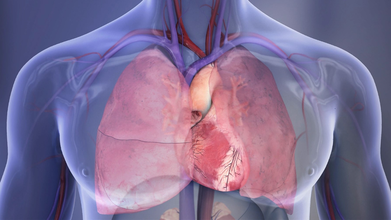
Credit: American Heart Association
Heart attack is the world's number one killer, yet its symptoms differ for both men and women, leading to varied outcomes.
A heart attack typically occurs when cholesterol plaque builds inside the walls of arteries and causes damage to the major blood vessels.
While men typically develop plaque in the largest arteries that supply blood to the heart, in women, it accumulates in the heart’s smallest blood vessels, known as the microvasculature.
A study published today in Circulation: Cardiovascular Imaging, an American Heart Association journal, showed that women report less artery-clogging plaque. Yet, it did not protect them from heart disease compared to men.
The study showed that women faced increased heart risk at lower levels of plaque compared to men. For total plaque burden, women’s risk began to rise at 20 percent plaque burden, while men’s risk started at 28 percent.
The increasing plaque levels led to a sharper risk for women than for men.
How Heart Attack Symptoms Differ Between Men And Women
According to global studies, women are more likely than men to die from a heart attack. The major reason is the late onset of symptoms of a heart attack in women.
During a heart attack, men are likely to experience sweating, pain in the chest, arms, and legs, and shortness of breath.
While the experiences are common among women, they also tend to suffer a combination of less-recognized symptoms such as nausea, indigestion, fatigue, dizziness, and pain in the neck, jaw, throat, abdomen, or back.
The obvious chest discomfort is also sometimes absent during heart attacks in women.
Other common reasons for heart attacks in women include:
- High testosterone levels before menopause
- Hypertension during menopause
- Autoimmune diseases such as rheumatoid arthritis
- Stress and depression
Can Heart Attacks Be Prevented?
Cardiovascular diseases are mostly preventable by targeting traditional risk factors common to both women and men, which include obesity, smoking, diabetes, high blood pressure, family history and metabolic syndrome -- the co-existence of high blood pressure, obesity, and high glucose and triglyceride levels.
The American Heart Association also advises at least 150 minutes a week of moderate-intensity aerobic activity (such as brisk walking) or 75 minutes of vigorous activity (such as jogging), or a combination of both.
Include fruits, vegetables, lean proteins, whole grains, low-fat or fat-free dairy, nuts, and seeds in your diet.
Limit processed foods, added sugars, sodium, and alcohol.
- Follow Us :


© 2024 Bennett, Coleman & Company Limited