
- Health Conditions A-Z
- Health & Wellness
- Nutrition
- Fitness
- Health News
- Ayurveda
- Videos
- Medicine A-Z
- Parenting
Why Are Gut Problems Like Bloating, Gas, and Constipation Increasing Today?
Credit: iStock
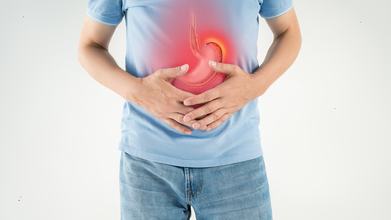
Digestive problems like bloating, gas, acidity, and constipation have quietly become a common problem in our daily lives. It is common these days to find people experiencing discomfort after meals or feeling unusually heavy. While these problems may not be serious in nature, doctors say these problems have increased in recent times due to changes in the way people live and eat.
- The first major cause of these problems in recent times is the change in the way people eat. It is a known fact that people are now eating more of junk food and less of fiber-rich food. Fiber plays a crucial role in keeping digestion smooth and bowel movements normal. If the amount of fiber in the diet is low, digestion becomes slow, leading to bloating, gas, and constipation.
- Another major cause of these problems in recent times is the sedentary lifestyle people are leading these days. It is a known fact that a person should move around a lot in a day. Lack of physical activity may cause problems in digestion. Simple habits like eating quickly, missing meals, or drinking excessive carbonated beverages are some of the common causes of excessive gas and discomfort.
- Another cause of digestive upsets that is often overlooked is stress. The fact that the brain and digestive system are closely related means that digestive upsets can be caused by emotional stress. When a person is under a lot of stress, hormones are secreted into their system that can slow down digestion. As a result, a person may feel stomach upsets like tightness, bloating, irregular bowel movements, or even develop a medical condition like irritable bowel syndrome depending on their digestive system composition.
- In addition to that, other lifestyle habits like late-night meals, lack of proper sleep, dehydration, or excessive caffeine intake can cause digestive upsets. When a person’s body is out of sync, digestion is not as effective as it should be. As a result, food ferments in the stomach, leading to excessive gas production.
Traditional Remedies
Most people tend to use various remedies when they are feeling unwell.
Also Read: Why Regulatory Clarity Is Important for Safe Aesthetic Procedures in India
Remedies such as the consumption of warm water, fennel seeds, ginger tea, and the intake of probiotics in the form of curd may offer temporary relief. However, it is important to note that these might offer temporary relief and might not be effective if the symptoms of digestive discomfort are recurring.
Digestive discomforts that recur frequently should not be taken lightly. Frequent occurrences of digestive discomforts such as bloating and constipation might sometimes be symptoms of an underlying condition.
Therefore, if the symptoms of digestive discomfort last for weeks and if the symptoms also include the presence of any of the aforementioned symptoms of digestive discomfort, it might be important to consult a doctor.
Gut Problems: Need For Lifestyle Modifications
The relationship between gut health and wellbeing is also well noted. Among the lifestyle modifications that may be implemented for improved digestive health is a healthy and balanced diet, exercising regularly, adequate intake of water, stress levels, and eating at regular times.
It is a normal occurrence for people to experience bloating and gas at some point in their lives. However, if discomfort in the digestive system is a frequent occurrence, it may be a wake-up call from the body that something is amiss and deserves attention. Heeding such a call and making lifestyle modifications may work wonders for the gut.
Ozempic may reduce depression and anxiety risks in diabetics: The Lancet
Credit: iStock
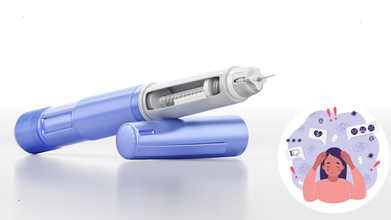
While GLP-1 drugs like Ozempic are popular for weight loss, a new study published today in The Lancet Psychiatry journal showed that it can also help tackle the burden of depression, anxiety, and self-harm in high-risk diabetic patients.
The GLP-1 drugs, with ingredients such as semaglutide and liraglutide, were found to effectively reduce the risk of these mental health conditions in patients already taking the medications to manage their diabetes or obesity.
The study found that these medications were linked to
- fewer psychiatric hospitalizations,
- taking sick leave due to mental illness,
- death by suicide.
The study comes as people with diabetes are known to have a higher risk of depression (2-3 times), anxiety (20 percent), and suicide than the general population.
“Our findings suggest that GLP-1 drugs, particularly semaglutide, might contribute to better mental health in people with diabetes and obesity,” said Jari Tiihonen, specialist physician and professor at the Centre for Psychiatry Research, Karolinska Institutet, Sweden.
Calling the results "observational", Tiihonen urged the need for controlled clinical trials to confirm the findings.
Also read: Ozempic Can Help People With Diabetes Walk Better Despite Poor Blood Flow To Legs
Key Findings
The researchers followed more than 95,000 participants diagnosed with depression or anxiety and were prescribed various antidiabetic medications through Swedish national registers between 2009 and 2022. Of the patients, 22,480 had used GLP-1 drugs.
Semaglutide, the main ingredient in Ozempic, showed the highest benefits against the mental health conditions. Semaglutide led to a:
- 42 percent reduced risk of worsening mental health
- 44 percent lower risk of worsening depression,
- 38 percent lower risk of worsening anxiety,
- 47 percent lower risk of worsening substance use disorder.
On the other hand, liraglutide, sold under the brand names Victoza (for type 2 diabetes) and Saxenda (for chronic weight management), was linked to an 18 percent lower risk of worsening mental health.
Other GLP-1 medications, including exenatide and dulaglutide, did not show the same benefit.
Also read: Oprah Winfrey Sparks Ozempic Buzz at Paris Fashion Week with Slim Figure
How Do GLP-1 Medicines Fight Against Addiction?
A recent study, published by researchers at the Washington University School of Medicine in St Louis, reported that Ozempic could prevent substance use disorder and could also treat it.
Not just the lack of will to eat food, but some people have actually reported a lack of interest in alcohol or nicotine consumption.
Previously, observational studies have also shown how it could lower the risk of alcohol and cannabis use disorders, opioid overdose, and alcohol related hospitalization.
The findings published in The BMJ showed that people taking GLP-1 drugs had a 14 percent lower risk of developing any substance use disorder.
Their substance-specific reductions:
- Alcohol use disorder risk fell by 18 percent
- Cannabis use disorder fell by 14 percent
- Cocaine and nicotine use disorders fell by 20 percent
- Opioid use disorder fell by 25 percent
Why Regulatory Clarity Is Important for Safe Aesthetic Procedures in India
Credit: Canva
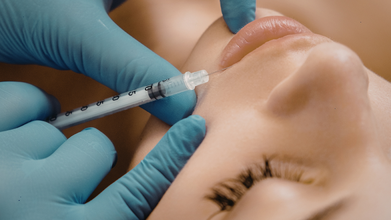
Aesthetic medicine in India has been expanding rapidly in the past decade. There is increasing demand for more minimally invasive cosmetic treatments such as injectables (botox and dermal fillers), laser treatments, and hair restoration procedures.
According to the International Society of Aesthetic Plastic Surgery (ISAPS) report, more than 1.29 million procedures have been recorded in 2024 for cosmetic treatments. India has successfully entered the top 5 countries in the world for aesthetic procedures.
Also Read: Why Are Gut Problems Like Bloating, Gas, and Constipation Increasing Today?
Although this shows the increased demand for aesthetic medicine, there is an even larger concern that there is little to no regulation to protect the consumers.
Aesthetic Services: No Regulatory Clarity
Aesthetic services and practices in India have an unclear position which has been increasing concern for stakeholders in the industry. Medical specialties like dermatology and aesthetic medicine have been recognized fields that require training, clinical judgement, and sterile environments, but cosmetology is largely non-medical. However, that is not the case. For instance, there are many beauty centers and spas that offer procedures of medical aesthetic services like chemical peels, laser treatments, and injectables.
Regulatory clarity addresses the issue by describing who can do aesthetic procedures, and the conditions required for them to do so. Absence of such descriptions could allow low-practice and trained personnel to do procedures that carry risk for infection, scarring, burning, or other dissatisfactory results and complications. There are licensing and enforcement ambiguities that are giving the ability to practitioners to call themselves "cosmetic surgeons" without any training in plastic surgery.
Need For Strong Regulatory System
A strong system of regulations is also in the interest of uniformity in clinical practices. Regulations may lay down the minimum requirements for the infrastructure of aesthetic clinics so that they can provide sterile equipment, emergency protocols, and trained medical personnel. Regulations can also mandate obtaining informed consent, so that patients know the risks, benefits, and likely results of a procedure.
A further important role for regulations is to prevent misleading advertisements, and unscrupulous behavior. The competitive field of aesthetics invites patients based on exaggerated, and unfulfilled promises. Patients can be misled if there are no regulations to relatively eliminate the occurrence.
Trust from patients stems from regulatory transparency. Accreditation of clinics and the specialties of staff performing the procedures reassure patients regarding safety, hygiene, and postoperative care. This ultimately increases the standard of the aesthetic industry for patients and ethical practitioners.
As aesthetic medicine continues to develop in India, the evolving regulatory mechanisms will be essential in continuing to promote innovation while ensuring the safety of patients. Greater regulatory documentation, transparency from governing bodies, and public education regarding evolving safety regulations will safeguard the aesthetic space from practitioners prioritizing profit over ethics.
Besides recommending patients needing aesthetic treatment to consult a licensed plastic surgeon or dermatologist, they ensure that intricate aesthetic procedures are performed in clinical environments by qualified personnel.
From Vaping to Worm Attack: 5 Unimaginable Ways to Contract Meningitis

The meningococcus bacteria can harmlessly live in the throat without showing any symptoms, but in order to cause damage, it must cross the nasopharyngeal barrier. (Photo credit: iStock)
New Delhi: Meningitis may not have been the talk of the town, but it is now making headlines after an outbreak in the UK wreaked havoc on students—the outbreak recently resulted in the death of two students, and 11 others have been hospitalised. The outbreak is being linked to a nightclub event in Canterbury, Kent. Following this, the UK Health Security Agency contacted 30,000 students, staff, and their family members, along with anyone who visited the club from March 5 to March 7. This was a precautionary measure, they said, and a new report by UK health officials suggests that meningitis B has caused the outbreak. But what is most shocking is how this infection makes its way into your body.
What is meningitis?
Meningitis is an infection of the protective membranes around the spinal cord and the brain. It can become very serious if not treated or diagnosed in time. It is a consequence of bacterial or viral infection. Despite being a rare occurrence, the infection can spread through coughs, sneezes, a cold, or physical contact in the form of kissing.
Uncommon ways of contracting meningitis
Some of your daily habits may seem normal, but in turn, they can be among the worst ways to catch meningitis. Some of the most obscure ways are:
Vaping: Reminder—vaping might be common now, but that does not make it a safe practice. It is associated with respiratory disorders and even lung collapse in some cases. When it comes to meningitis, vaping can be a means of passing germs on to another person—for instance, by sharing a contaminated vape. The meningococcus bacteria can harmlessly live in the throat without showing any symptoms, but in order to cause damage, it must cross the nasopharyngeal barrier.
Second-hand smoke: Second-hand smoke may not just cause cancer, but also meningitis. This risk is particularly prevalent in children, as it may increase their chances of developing invasive meningococcal disease, a serious form of meningitis. Experts from the University of Nottingham have noted that breathing in smoke from someone else's cigarette can make one more vulnerable to infection. This makes people more likely to harbour meningitis-related bacteria in the throat and nose, thus leading to infection.
Worm infection: Some types of parasites, such as tapeworms, can cause a rare type of meningitis known as eosinophilic meningitis. These worms take residence in the gut and feed on nutrients that the body needs to stay healthy. This can result in diarrhoea, nausea, and tiredness. If the infection spreads to the brain, it can cause meningitis. Despite being rare, it is still a possibility.
Sharing cutlery: Meningitis can spread through close contact, and sharing cutlery can be one of the most overlooked ways. This can also include sharing toothbrushes. The infection can spread through droplets and saliva.
Unwashed hands: An act of laziness can cost you in the long run; therefore, using a sanitiser or regularly washing hands is a must. Experts say that particles from faeces can linger on the hands, and ingesting them in any way can lead to infections such as meningitis. The infection can also spread through coughing and sneezing.
- Follow Us :


© 2024 Bennett, Coleman & Company Limited