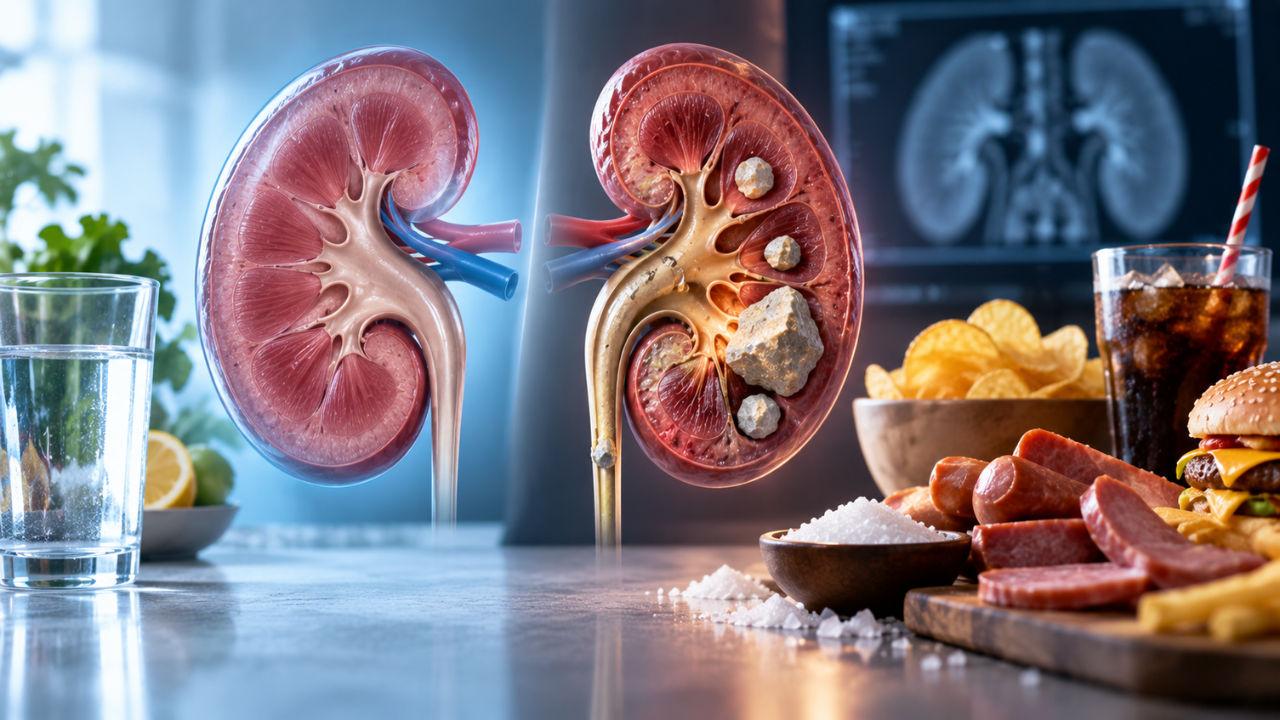
Are urologists seeing more difficult or complex kidney stones in recent years? Yes, it’s true. Nowadays the trend for oxalate stones and infective stones are rising They both are complex in their treatment. Oxalate stones are hard, they are known to grow as per the shape of the internal structure of the kidney and are one of the hardest of all stones, at times, even hard for a laser to break them into fragments. Harder stones may need a second procedure to break them into finer fragments. Infective stones primarily have infection within them, very common in diabetics and long term infected stones. These stones can fill up the kidney with pus and can be life threatening as well, causing diffuse infection in the blood, called as sepsis. With incidence of diabetes the management of these stones require considerable expertise and caution. How can dehydration and not drinking enough water increase the risk of kidney stones? The contemporary understanding of the genesis of kidney stones is the 'solute-solvent' theory. It means than more the amount of crystals (read solute viz oxalate crystals, uric acid crystals etc.) and less the amount of water, concentrated urine, lesser is the solubility of these crystals in the urine. Thus they sediment and cause faster stone formation.Also read: What Happens When Kidney Function Declines: Understanding The Stages Of Chronic Kidney DiseaseCan eating more processed foods, salt and protein than the body needs make kidney stones more likely? Processed foods are high on oxalates and phosphorus. They act as the primary anion in stone formation. Thus promoting higher amount stone formation and harder stones as well. Also protein in urine helps in stabilising the already aggregated crystals, thus leading to a harder stone. Protein supplements are to be consumed only as per the contemporary need of the body after consulting a dieticianCan more fruits and vegetables and staying well hydrated help prevent kidney stones? Definitely! Another point i want to make here is that there are some naturally occurring substances in urine which prevent stone formation, viz citrate. Higher the citrate levels in urine, lesser are the chances of stone formation. Thus it is advisable to have more citrate in diet (citrus fruits). For patients with recurrent stone formation in kidney, it is advisable to use citrate supplements. Another factor is blood uric acid levels. Uric acid crystals can independently form a stone and it can deposit itself on already formed stone, making it later and more complex to treat. Uric acid is majorly found in animal based diet. There are other factors which may reduce the stone formation, however till date only proven thing to prevent stone is abundant citrate and good amount of water intake. All fruits have variable amount of citrate however citrus fruits have the most.By Dr. Sony Mehta, Consultant Urologist, Saifee Hospital, Mumbai