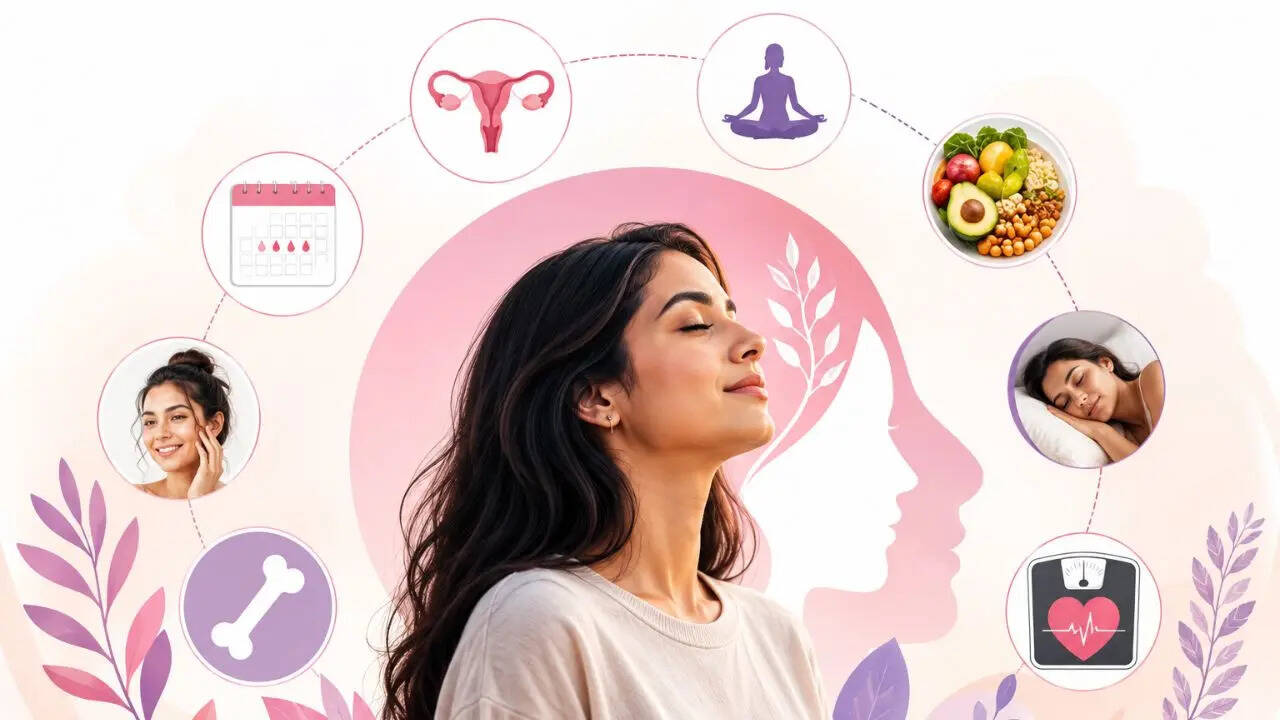
Women’s health is particularly discussed in the context of pregnancy and childbirth, but even hormonal health deserves attention at every stage of life. From puberty to menopause, hormones influence physical, emotional, and reproductive well-being. This article highlights the importance of paying attention to the hormonal health of women.Women today are experiencing hormonal imbalance. While maternity care remains important, many women are looking for support in managing hormonal issues that affect their daily lives, careers, relationships, and even long-term well-being.How Hormonal Imbalance Affects Overall Well-BeingDid you know? Hormones play a crucial role in regulating menstrual cycles, mood, sleep, energy levels, metabolism, skin health, bone strength, and fertility. So, understand that when hormones become imbalanced, women can experience various signs and symptoms such as irregular menses, severe menstrual pain, acne, weight gain, hair loss, fatigue, mood swings, sleep disturbances, and difficulty conceiving.Moreover, various conditions such as Polyendocrine Metabolic Ovarian Syndrome (PMOS), thyroid disorders, endometriosis, and perimenopause-related hormonal changes can affect quality of life.For many years, women sought medical attention only during pregnancy or when trying to conceive. However, now, women in their twenties, thirties, and forties are seeking guidance for even menstrual health, hormonal disorders, stress-related symptoms, and preventive care.Women now want answers to symptoms that were previously dismissed as "normal" or simply part of being female. Regular health check-ups, timely evaluation of menstrual irregularities, and management of conditions such as PMOS and thyroid disorders can help women improve their quality of life. Hormonal well-being also plays an important role in maintaining heart health, bone density, metabolic health, and mental wellness.Also read: Postpartum Breast Cancer May Be Biologically More Aggressive; Here’s WhySigns Women Should Never IgnoreMany women are no longer willing to dismiss symptoms as a "normal part of being a woman." Heavy periods, severe menstrual pain, persistent fatigue, unexplained weight gain, and ongoing mood disturbances should not be ignored and may require medical evaluation.Tips to Support Better Hormonal Health Vital tips for improving hormonal health in women: It will be necessary for women to have a well-balanced diet rich in fruits, vegetables, whole grains, and protein. Exercise daily and support metabolism and hormone balance. Aim for 7–8 hours of quality sleep every night. Stay stress-free by doing yoga, meditation, or relaxation techniques. Women should quit smoking, alcohol, and illicit drug use, and not ignore irregular periods, severe menstrual pain, or unexplained weight changes. It is also necessary for women to schedule timely gynecological and health check-ups.Hormonal health influences every stage of a woman's life, affecting both physical and emotional well-being. Hence, women must ensure timely check-ups not only during pregnancy or menopause but also at every stage of life. Women should prioritize hormonal health not only during pregnancy or menopause but throughout their lives. Early awareness, timely evaluation, and preventive care can go a long way in improving long-term health and quality of life. Don’t wait anymore and seek timely help. So, women, get going now!By Dr. Pavana H.N. Consultant - Obstetrician & Gynaecologist, Motherhood Hospitals, Sector 48, Noida