
- Health Conditions A-Z
- Health & Wellness
- Nutrition
- Fitness
- Health News
- Ayurveda
- Videos
- Medicine A-Z
- Parenting
Working Out For 10 Minutes May Decrease Your Risk Of Colorectal Cancer, Study Proves

Credit: Canva
Performing short and intense exercises that last for about 10 minutes may significantly reduce the risk of colorectal cancer, a British study shows.
Researchers at Newcastle University have found that completing brief workouts increases the concentration of several small molecules in the blood that have previously been linked to reducing inflammation, improving blood vessel function and metabolism.
The findings, which were published in the International Journal of Cancer, also noted that even short bouts of exercise can influence the activity of genes that govern tumor growth and fight against cancer.
Dr Sam Orange, Senior Lecturer in Clinical Exercise Physiology at Newcastle University and lead study author, said of the results, "What’s remarkable is that exercise doesn’t just benefit healthy tissues, it sends powerful signals through the bloodstream that can directly influence thousands of genes in cancer cells.
“It’s an exciting insight because it opens the door to find ways that mimic or augment the biological effects of exercise, potentially improving cancer treatment and, crucially, patient outcomes.
“In the future, these insights could lead to new therapies that imitate the beneficial effects of exercise on how cells repair damaged DNA and use fuel for energy.”
How Does It Work?
The study involved 30 participants, both male and female between the ages of 50–78. All of the participants were overweight or obese (a risk factor of cancer) but otherwise healthy.Researchers had asked each volunteer to complete a short, intense cycling test that lasted about 10 minutes and collected each of their blood samples which were then meticulously analyzed.
After studying about 249 proteins, the experts found nearly 13 protein had increased in their blood flow after the short exercise including interleukin-6 (IL-6), which helps repair the DNA of damaged cells.
When these exercise-induced proteins were applied to colorectal or bowel cancer cells by the scientists in a lab, they discovered that these new proteins could alter the activity of over 1,300 genes, particularly those who were responsible for DNA repair, energy production and cancer cell growth.
As a result, they concluded that performing even small exercises can activate a set of genes in the body's cells that can support efficient use of oxygen and promote energy metabolism. Additionally, the British researchers also discovered that the cell genes which have been previously associated with rapid cell growth were switched off after working out, suggesting that this might aid in controlling cancerous growths in the body.
What Is Colorectal Cancer?
Colorectal or bowel cancer is a common cancer that forms in the tissues of the colon (large intestine) or rectum, often starting as non-cancerous growths called polyps that turn cancerous over time.
Despite being treatable and preventable, colorectal cancer is currently the second leading cause of cancer-related deaths worldwide. Over 70,000 new cases of colorectal cancer occur annually in India, making it the fourth most common cancer in the country.
Typical symptoms usually include :
- Blood in or on the stool
- Changes in bowel habits (diarrhea, constipation, narrower stools)
- Abdominal discomfort, cramps, gas, or pain
- Feeling that your bowel doesn't empty completely
- Weakness, fatigue, or unexplained weight loss
COVID Survivors At Nearly Fivefold Risk Of Kidney Failure: Study
Credit: Canva
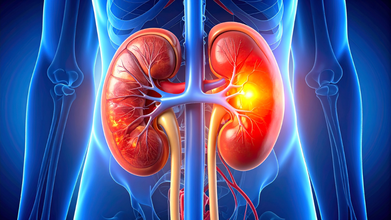
People who survived a COVID-19 infection can be at significant risk for kidney disease, acute kidney injury, and chronic kidney disease. compared to individuals who were not infected, according to a study.
The study, published online in the journal Communications Medicine, revealed that COVID patients have
- a 2.3-times higher risk of acute kidney injury
- a 1.4-times higher risk of chronic kidney disease
- a 4.7 times higher risk of kidney failure
“While we’re in the post-pandemic era, this shows that COVID-19 history is an important variable when considering the long-term impact of the infection on kidney function and disease,” said first author Yue Zhang, who was at Pennsylvania State University, US, while conducting the study. Zhang is currently a postdoctoral scholar at Johns Hopkins Bloomberg School of Public Health.
How Was The Study Conducted?
For the study, data on over 3 million working-age adults in the United States were analyzed.
The team compared the effect of influenza, another common viral infection that affects kidney health, and people with a history of COVID infection on kidney infections.
Using a machine learning model, the individuals were followed between 180 and 540 days for the emergence of new acute or sudden kidney disease.
The results showed that:
- Both COVID and the flu can worsen kidney health
- Flu caused a mild and temporary effect
- COVID increased the risk of acute kidney injury for a longer duration
- COVID survivors developed kidney disease within a few hours to a few days
- COVID patients had a longer-term chronic and end-stage kidney disease.
How COVID Worsens Kidneys Health
The Penn State researchers explained that kidney cells express high levels of the primary protein receptors that SARS-CoV-2 uses to enter and infect cells. Kidney cells also produce specialized enzymes that help viruses enter cells.
According to Kidney Health Australia, an acute COVID infection can impact the kidneys with fevers and respiratory symptoms, and/or worsening blood sugar control.
The US National Institutes of Health stated that renal dysfunction is an increasing clinical indicator of COVID propagation.
Citing several studies, the NIH said that the most common clinical manifestation is proteinuria -- found in more than half of the COVID patients. In addition, hematuria, elevated blood urea nitrogen, and elevated serum creatinine are other common features in Covid survivors with poor kidney health.
Nasr Ghahramani, Professor of Medicine at Penn State College of Medicine, stressed the need for COVID survivors, especially those with diabetes and high blood pressure, to take "more frequent and more prolonged monitoring of their kidney function" to enable early detection and better outcomes.
Demi Moore’s Drastic Weight Loss Makes Her Look Weak, Netizens Ask If She Took Ozempic

Credits: Instagram
When Demi Moore stepped onto the red carpet at the 2026 Actor Awards, the conversation quickly shifted away from couture and glamour. The 63 year old actor wore a striking black Schiaparelli gown with a dramatic feathered train, but what truly caught public attention was her noticeably thinner frame.
Photos from the event spread rapidly across social media, and many fans expressed worry over what they described as a “skeletal” appearance. Some questioned whether the transformation was intentional. Others speculated whether she may have used Ozempic, the diabetes medication that has become synonymous with rapid celebrity weight loss.
There has been no confirmation that Moore used any weight loss medication. Still, the public reaction reflects a growing anxiety about how quickly bodies can change in the era of injectable weight loss drugs.
The Ozempic Question
Ozempic was originally developed to help manage type 2 diabetes. Its active ingredient, semaglutide, works by mimicking a hormone that regulates blood sugar and appetite. Over the past few years, it has gained immense popularity for its ability to produce significant weight loss.
But as prescriptions surged, so did questions about side effects. One of the biggest concerns is loss of lean mass, which includes muscle.
Research published in Cell Metabolism examined how semaglutide affects body composition. In animal studies, overall lean mass dropped by about 10 percent during weight loss. Interestingly, much of that loss was not from skeletal muscle but from organs like the liver, which can shrink as body fat decreases. Some skeletal muscles did shrink slightly, by about 6 percent on average, while others remained unchanged.
However, other human studies suggest that people taking semaglutide may lose a substantial amount of muscle along with fat. One study found that around 39 percent of the weight lost was muscle. Research on tirzepatide, another injectable drug, showed muscle loss closer to 25 percent of total weight reduction.
It is important to note that muscle loss is not unique to Ozempic. Anytime someone loses a large amount of weight, whether through dieting, surgery, or medication, about one quarter to one third of that loss can come from muscle. When calories are restricted, the body taps into stored energy from glycogen, fat, and muscle.
The problem is that muscle matters. Losing muscle lowers metabolic rate, increases fatigue, and can raise the risk of falls or injury, especially in older adults. For women over 60, rapid weight loss may also affect bone health.
Why Rapid Weight Loss Raises Red Flags
When a public figure appears dramatically thinner within a short span of time, people naturally worry. Rapid weight loss can sometimes signal aggressive calorie restriction, illness, or medication side effects.
Even when weight loss is intentional, the speed matters. Quick changes can strain the body, impact strength, and alter facial structure, which may explain why some fans said Moore looked “different” rather than simply “slimmer.”
Healthy weight loss is not just about a number on the scale. It is about preserving muscle, supporting metabolism, and protecting long term health.
How To Lose Weight Without Losing Strength
If someone chooses to pursue weight loss, whether naturally or with medical supervision, protecting muscle should be a priority.
Prioritize protein. Most adults aiming for fat loss need between 60 to 90 grams of high quality protein daily. Protein supports muscle repair and helps maintain lean mass, especially when appetite is reduced.
Strength train consistently. Resistance training at least three to four times a week signals the body to hold onto muscle. Lifting weights, using resistance bands, Pilates, or bodyweight exercises all help.
Do weight bearing cardio. Walking, tennis, or light jogging can support both bone density and muscle retention.
Stay hydrated. Muscle is largely made of water. Dehydration can worsen fatigue and impair recovery.
Aim for slow, steady loss. Losing weight gradually gives the body time to adapt and reduces the risk of excessive muscle breakdown.
Demi Moore’s appearance has reignited a broader conversation about beauty standards, aging, and the pressures surrounding thinness. Regardless of the cause behind her transformation, the moment highlights an important truth. Sustainable health is about strength, balance, and care, not just shrinking numbers on a scale.
Not All Vitamins Work The Same For Women: What and When To Take|Women's Day Special

Multivitamins are essentially dietary supplements containing a combination of various vitamins and minerals, often used to bridge nutritional gaps in the diet, treat deficiencies caused by poor nutrition or illness and support overall health.
Designed to provide a broad range of nutrients in one daily dose, they are available in tablets, capsules, gummies or liquids and are widely recommended to adults of all ages and genders.
But which vitamins do women need and when should you be taking them?
Dr Yashica Gudesar, Director & Unit Head of Obstetrics & Gynecology, Max Super Speciality Hospital, Dwarka exclusively tells Healthandme: "A woman’s nutritional needs change at different stages of life, from adolescence to reproductive years, pregnancy, and menopause. While food should always be the primary source of nutrients, certain vitamins may be required as women age or depending on lifestyle, diet, and health conditions."
"There’s honestly no universal vitamin checklist that works for every woman. The needs change with age, lifestyle, stress, whether one is planning a pregnancy, and of course, what the blood reports actually show," Bhakti Samant, Chief Dietician, Kokilaben Dhirubhai Ambani Hospital further told this publication.
Here are the supplements you need to stock your medicine cabinet with:
1. Vitamin D
Vitamin D is a fat-soluble nutrient essential for strong bones, immune function, and calcium absorption, often synthesized when skin is exposed to sunlight or obtained via food and supplements.
Symptoms of Vitamin D deficiency include bone pain, muscle weakness, and depression. Deficiencies are common due to low sun exposure or poor diet, leading to rickets in children and osteomalacia or osteoporosis in adults.
However, this can be avoided by consuming a combination of calcium and Vitamin D supplements. Dr Ginni Kalra, Head Dietician, Aakash Healthcare explained to Healthandme: "One of the frequently deficient nutrients in women is vitamin D. It is very important in calcium absorption, bone density, immune homeostasis and mood balance. In most adult women, the amount needed is 600-800 IU (15-20 mcg) per day although deficient women can take 1000-2000 IU per day under the supervision.
"Calcium is necessary in bone density especially in women post-menopause who experience rapid bone loss owing to the diminishing estrogen. Adult women should take 1,000 mg per day that rises to 1200 mg past 50 years. Calcium supplements are most ideal in separated doses of 500-600 mg each time and preferably following meals. When combined with vitamin D, absorption will enhance much better."
"Calcium becomes especially important after the age of 30, and even more after menopause. It can be taken after meals, often divided into two doses for better absorption," Dr Gudesar added.
Moreover, Samant advised: "Vitamin D is best taken with a meal that has some fat. Calcium (around 1000–1200 mg daily) is better split into two doses and should not be taken with iron."
2. Iron
A vital mineral, iron plays a very crucial role in human functioning by helping create hemoglobin to transport oxygen throughout the body, essential for energy and muscle function. Low iron levels can result in decreased oxygen transport and leading to symptoms like extreme fatigue, weakness, pale skin, cold hands/feet and shortness of breath.
While an iron deficiency is usually caused by poor diet, blood loss due to menstrual periods, ulcers, cancer, or regular use of pain relievers like aspirin or malabsorption issues, it can be remedied through supplements.
Dr Kalra explains: "Iron is also essential especially in menstruating women because they lose blood monthly. It may result in an iron deficiency which causes fatigue, loss of hair, brittle nails, and poor concentration. The acceptable amount of iron that is recommended to be taken by women aged 19 to 50 is approximately 18 mg, but this reduces to 8 mg after menopause.
"Iron supplements are better absorbed on an empty stomach or when taken with vitamin C and not when they are taken with calcium, tea or coffee as they have been found to interfere with absorption. The intake in the morning is usually desirable, but in case of gastrointestinal discomfort, it should be avoided."
3. Vitamin C
Vitamin C is essential for the body because it serves as a powerful antioxidant, supports the immune system, and is crucial for the synthesis of collagen, which is vital for wound healing and the maintenance of healthy skin, bones, and blood vessels.
It also enhances the absorption of iron from plant-based foods and protects cells from damage caused by free radicals, potentially reducing the risk of chronic diseases like cancer and heart conditions.
While, foods such as oranges, lemons, red and green peppers, kiwifruit, broccoli, strawberries, and Brussels sprouts can provide help maintain Vitamin C levels, supplements can help boost absorption and maximize benefits.
Dr Kalra notes: "Vitamin C helps to maintain the immunity, collagen synthesis, and iron uptake. It should be taken in 75 mg daily by adult women. It is soluble in water and can be consumed together with breakfast."
Additionally, she also recommends intaking: "Vitamin E and vitamin A also help the skin, vision, and antioxidant defense, but overconsumption is not advisable because it may be toxic."
4. Omega 3
Omega-3 fatty acids are polyunsaturated fats known for their crucial role in brain function and overall mental health. Fish oil is particularly rich in EPA and DHA, which are vital components of cell membranes and have strong anti-inflammatory effects in the body.
These omega-3s play a critical role in human development, and they are primarily found in fatty fish and fish oil. Some popular sources of Omega-3 include:
- Salmon
- Cod Liver Oil
- Algae Oil
- Oysters
- Nuts and seeds, such as flaxseeds, chia seeds, and walnuts
- Plant oils, such as flaxseed oil, soybean oil, and canola oil
- Fortified foods, such as eggs, yogurt, juices, milk, etc.
But as many people do not consume enough fish, supplementation is often recommended to ensure adequate intake of these essential fatty acids.
Dr Kalra suggests: "Though not vitamins, omega-3 fatty acids are worth mentioning because of the cardiovascular, hormonal, and anti-inflammatory effects. About 250–500 mg of combined EPA and DHA a day may be helpful and is most often administered after meals."
5. Vitamin B12
Vitamin B12 (cobalamin) is a crucial water-soluble vitamin necessary for brain health, nerve tissue, red blood cell formation, and DNA synthesis. It helps the body produce red blood cells, supports your nervous system and essential for making DNA, which is the genetic material inside all your cells.Symptoms of a Vitamin B12 deficiency often appear slowly. You may not notice them at first, or may blame them on stress, lack of sleep or a busy schedule. However, if the deficiency continues for long, it could lead to serious health problems.
Dr Gudesar recommends: "Vitamin B12 supports nerve health and energy levels. Vegetarian women are more prone to deficiency. It is typically taken in the morning."
"Vitamin B12 is needed to promote nerve well-being, red blood cell building, and energy conversion. The chances of deficiency are increased in vegetarian women because B12 is mostly found in foods of animal origin. The suggested daily dose is 2.4 mcg, but the dosage can be raised in deficiency. It is preferable in the morning as it could increase alertness," Dr Kalra explained.
However, Dr Kalra also advises: "There should be individualization of supplement timing and dosage. Decisions should be based on routine blood tests, dietary assessment, age, lifestyle, and existing medical conditions.
"Excessive supplementation is detrimental, in particular, fat-soluble vitamins. The only safe and effective approach is nutritional adequacy by means of whole foods, and supplements are the supportive therapy only in cases where deficiencies are observed."
- Follow Us :


© 2024 Bennett, Coleman & Company Limited