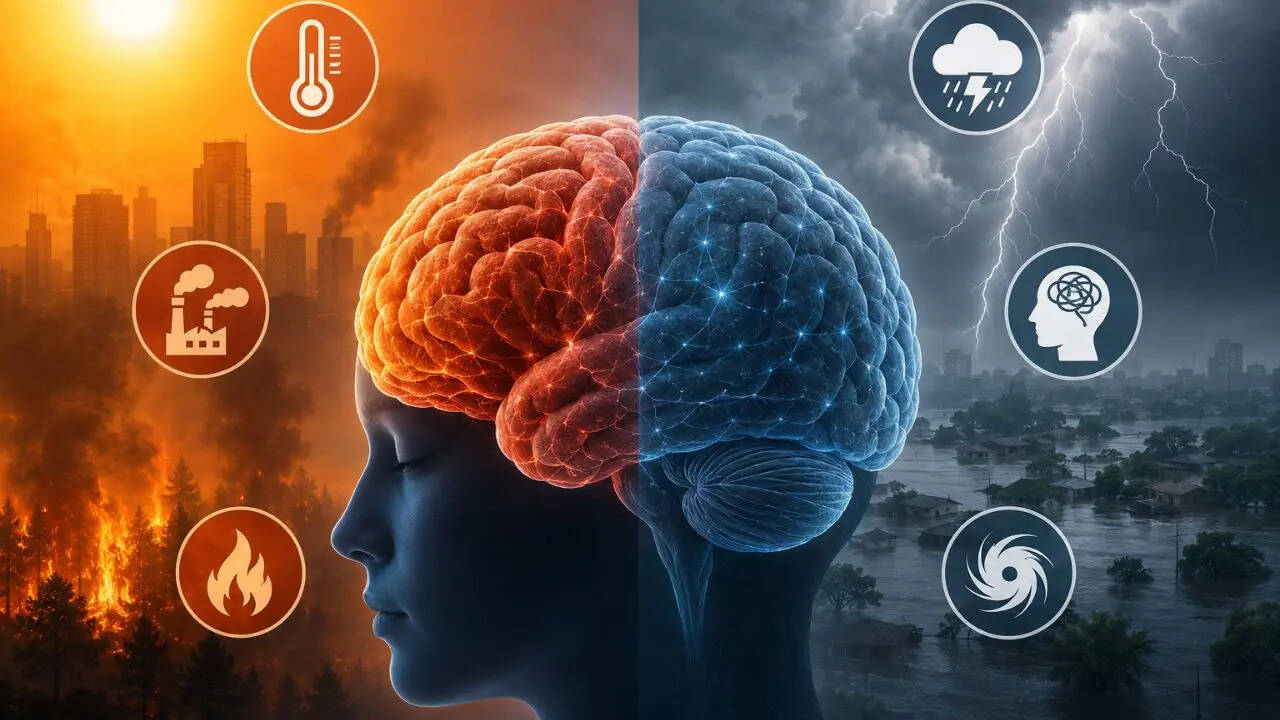
When it comes to climate change, we often visualise melting glaciers, rising sea levels, raging wildfires, or record-breaking heatwaves. But scientists are increasingly warning that climate change could also be silently affecting one of the body's most vital organs: the brain. From rising mercury levels and worsening air pollution to floods, wildfires, and hurricanes, climate-related catastrophes are exposing millions of people across the world to conditions that could increase the risk of neurological disorders. On World Brain Day, let's look at why brain health is another reason to take climate change seriously. Effect Of Heatwaves On Brain Health Heatwaves do much more than dehydration and heat exhaustion. The brain is highly sensitive to temperatures. When the body overheats, the brain has to work harder to regulate body functions. This can lead to poor concentration, slower reflexes, memory decline, headaches, confusion, and poor decision-making. Older adults are particularly vulnerable because the brain's ability to regulate body temperature declines with age. People living with neurological disorders like dementia, Parkinson's disease, multiple sclerosis, or epilepsy may also find that their symptoms worsen during periods of intense heat.Also read: Will Waterborne Diseases Rise In The Future? New Study Says Climate Change Could Be A Major DriverEffect Of Air Pollution On Brain Health Climate change is worsening air pollution in many parts of the world by increasing wildfire smoke, ground-level ozone, and fine particulate matter. These tiny pollutants, especially PM2.5, are small enough to enter the bloodstream and may even reach the brain. Studies have linked long-term exposure to air pollution with: Faster cognitive declineMemory impairmentIncreased risk of dementiaHigher risk of strokeParkinson's diseasePoor brain development in childrenScientists believe air pollution may trigger chronic inflammation and oxidative stress, both of which can damage brain cells over time.Also read: Europe Heatwave Causes 10,000 Excess Deaths; England, Wales Record 2,700 More FatalitiesEffects Of Wildfires On Brain Health Wildfires have become more frequent and intense across several parts of the world. While smoke affects the lungs, it can also impact the brain. Wildfire smoke contains fine particles and toxic chemicals that have been associated with headaches, reduced attention, poorer cognitive performance, and increased emergency visits for neurological conditions. People with existing neurological diseases may experience worsening symptoms during periods of heavy smoke exposure.Also read: Dangerous Heat Dome To Grip Eastern US, Canada, Putting Over 220 Million Lives At Risk: How To Stay Safe Extreme Weather Can Accelerate Brain Ageing Climate change is also increasing the frequency and intensity of floods, hurricanes, droughts, and other natural disasters. Beyond physical injuries, these disasters can leave lasting effects on the brain and mental health. People affected by climate disasters often experience: AnxietyDepressionPost-traumatic stress disorder (PTSD)Sleep disturbancesChronic stressChildren, older adults, and disaster survivors are among the groups most vulnerable to these long-term psychological effects. How To Protect Your Brain?While tackling climate change is a long-term strategic plan, individuals can maintain few self-care habits to reduce the risks. Experts recommend: Staying hydrated during heatwavesAvoiding outdoor activity during peak afternoon heatMonitoring local air quality before going outsideWearing a well-fitting mask during heavy wildfire smoke or severe pollutionKeeping homes cool whenever possible