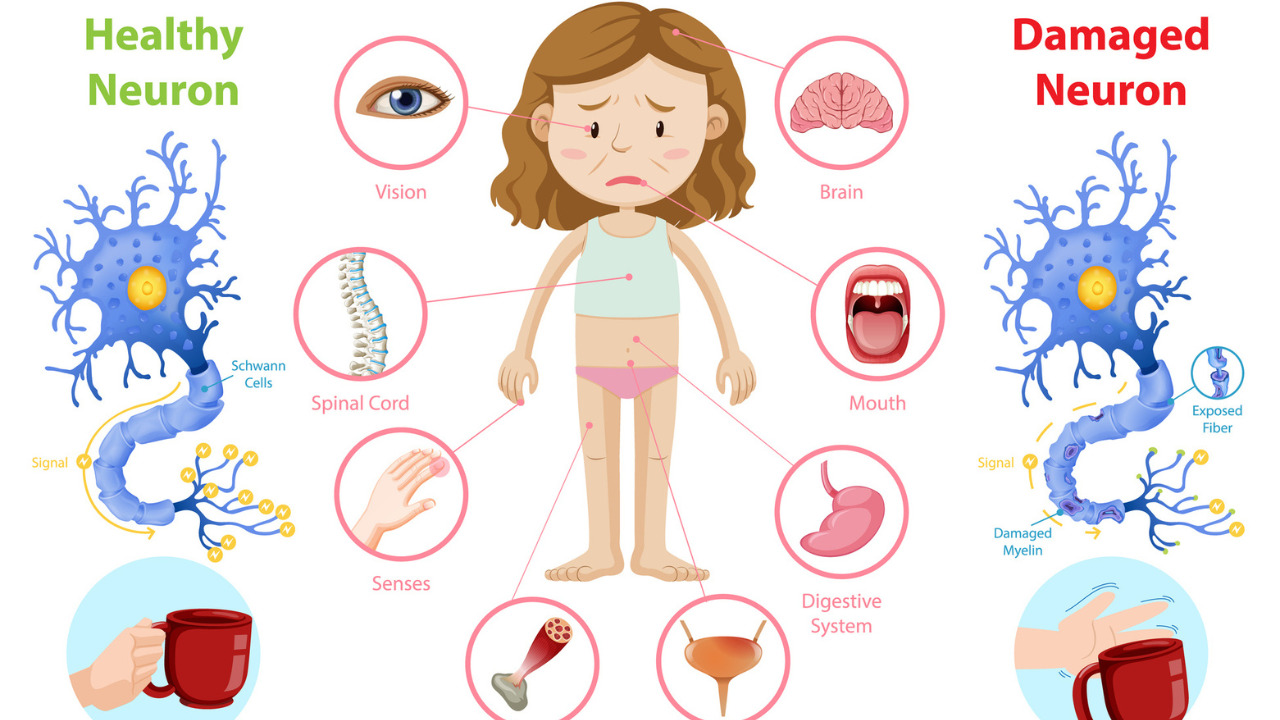
Multiple Sclerosis is a chronic and progressive neurological condition affecting an estimated 1.5–2 lakh people in India, and remains one of the country's most overlooked invisible disabilities.Many of its symptoms, including fatigue, cognitive impairment, chronic pain, visual disturbances, and bladder dysfunction, are often not outwardly visible, contributing to delayed diagnosis, barriers to disability recognition, insurance challenges, and difficulties in accessing long-term care and support.Declaration at National Policy DialogueIn a significant step towards strengthening disability-inclusive healthcare and social protection in India, policymakers, neurologists, disability rights advocates, insurance stakeholders, and persons living with Multiple Sclerosis (MS) today endorsed a landmark 10-point Declaration on Invisible Disabilities and Gender at the National Policy Dialogue organized on the occasion of World Multiple Sclerosis Day 2026.The National Policy Dialogue was held under the theme, "Shaping Policy. Advancing Access. Improving Lives.""India has made significant progress in recognizing the rights of persons with disabilities, and conversations such as these are essential to ensuring that our laws, policies, and institutions continue to evolve in ways that better reflect the lived experiences of people affected by conditions such as MS," said Menaka Guruswamy, Member of Parliament, Rajya Sabha.Also read: President Donald Trump Remains In Excellent Health, Says White HouseBarriers to Care and SupportExperts from the Multiple Sclerosis Society of India (MSSI) stated that for people living with Multiple Sclerosis, the challenges often extend far beyond the disease itself.Delayed access to insurance, high out-of-pocket costs, limited awareness of available entitlements, and the absence of comprehensive patient data continue to create barriers to timely care.Thus, they expect the Declaration to catalyze stronger insurance inclusion, better access to support systems, and a more robust national understanding of the true burden of MS in India.The 10-Point DeclarationThe Declaration on Invisible Disabilities and Gender outlines a roadmap to strengthen implementation of the Rights of Persons with Disabilities (RPwD) Act, 2016, and improve the inclusion of invisible neurological conditions within India's healthcare, disability, and welfare systems.Key recommendations include:Recognition guidelines for invisible and episodic disabilities under the RPwD Act.Flexible disability certification for people with fluctuating conditions.Inclusion of MS and other chronic neurological conditions within National Health Mission care pathways.Expansion of the Indian MS Registry Network (IMSRN) into a broader national invisible disability registry.Affordable access to disease-modifying therapies and long-term neurological care.Expanded tele-neurology services across India.Gender-sensitive diagnosis and treatment pathways.Stronger digital monitoring of disability rights implementation.Inclusive workplace policies for invisible disabilities.A National Mission on Invisible Disabilities.Read More: Bundibugyo Ebola Outbreak: WHO Identifies Experimental Treatments, VaccinesCall for Stronger Policy and Healthcare SupportThe declaration reflects a growing consensus among stakeholders that India's healthcare and social protection systems must evolve to better address invisible conditions that significantly affect an individual's functional ability, quality of life, and socioeconomic participation."Multiple Sclerosis is a complex, unpredictable, and lifelong neurological condition that requires early diagnosis, timely intervention, and sustained access to advanced therapies. While often simplified for patient understanding, the clinical reality is far more challenging and demands a nuanced approach to treatment and long-term care," said Dr. R.K. Dhamija, Distinguished Neurologist, Director, IHBAS, and Chair, National Task Force, NITI Aayog Brain Health Initiative."Investing in neurological care is not merely a healthcare expenditure; it is an economic imperative that helps prevent irreversible disability, reduces long-term care costs, and enables people to remain active and productive," Dr. Dhamija added.