
- Health Conditions A-Z
- Health & Wellness
- Nutrition
- Fitness
- Health News
- Ayurveda
- Videos
- Medicine A-Z
- Parenting
World Suicide Prevention Day 2025: Sleep Problems, Perfectionism, Pressure- The Overlooked Drivers Of Suicide Ideation

Credits: Health and me
Striving to do well is part of being human. But when “doing well” quietly shifts into “never enough,” the weight can become unbearable. For most perfectionists, that drive that initially felt like motivation can start tearing their mental well-being down, ensnaring them in loops of self-blame and hopelessness. New research indicates that this constant striving for perfection is not only emotionally depleting—it could potentially be deadly, increasing the likelihood of suicidal thinking and behavior.
Also Read: World Suicide Prevention Day 2025: Theme, History, And Significance
Perfectionism is even lauded as a badge of achievement. The student with impeccable grades, the colleague who always meets deadlines, the parent seeking the TV-perfect family—all are qualities society is wont to valorize. But a study at the University of Ontario in Canada introduces a cautionary note: perfectionism might have an unseen price tag. Beyond worry and burnout, it might heighten the risk of suicide ideation.
When researchers analyzed 45 studies with more than 11,700 participants, they found 13 out of 15 measures of perfectionism were linked to elevated suicidal thoughts. The strongest associations came from what psychologists call “socially prescribed perfectionism”—feeling pressured to meet the expectations of parents, teachers, bosses, or society at large. Unlike striving for personal excellence, this kind of perfectionism fuels a sense of never being enough.
As the study, published in the Journal of Personality, puts it: perfectionists “are their own worst critics; good enough is never enough.”
How Is Perfectionism Linked To Suicidal Ideation?
The findings go beyond isolated cases. A 2007 study interviewing friends and families of suicide victims found more than half described their loved ones as perfectionists. In 2013, researchers noted that over 70% of young men who had died by suicide had placed extraordinarily high demands on themselves.
The University of Ontario analysis helps clarify the picture. While traits like being tidy, organized, or holding others to high standards did not predict suicidality, internalized pressure—especially when tied to others’ expectations—was consistently associated with higher risk. Importantly, longitudinal studies confirmed that perfectionism can precede suicidal thinking, not just co-occur with it.
This matters because suicide remains the 10th leading cause of death in the United States, claiming more than 44,000 lives annually. Millions more engage in self-harm or struggle with intrusive suicidal thoughts. If perfectionism truly contributes to that risk, it warrants serious attention.
When Achievement Culture Turns Toxic
Perfectionism does not exist in a vacuum. Cultural, educational, and economic forces shape the pressure individuals feel to succeed. Journalist Jennifer Wallace explored this in her 2023 bestseller Never Enough, which captured the voice of parents in high-achieving communities. In surveys with over 6,500 respondents, 73% said selective college admissions were seen as essential to future success, while 83% admitted they viewed their children’s achievements as reflections of their own parenting. Yet nearly nine out of ten wished childhood could be less stressful.
That tension mirrors what psychologists like Thomas Curran at the London School of Economics call “toxic achievement culture.” Young people are growing up in environments where their worth seems tethered to test scores, trophies, and résumés. For perfectionists, this can be suffocating. Instead of striving for growth, they spiral into fear of failure.
The concept of “mattering” has emerged as a counterweight. Defined as the feeling that one is valued and adds value beyond accomplishments, mattering provides a buffer against perfectionism’s corrosive effects. It shifts the focus from being impressive to being important—to one’s family, peers, and community.
Role of Sleep As A Hidden Risk Factors
Perfectionism isn’t the only trait linked to suicide ideation. New research highlights another, often overlooked factor: sleep disturbance. A Stanford Medicine-led study tracking nearly 9,000 children found that kids with frequent nightmares or chronic sleep problems at age 9 or 10 were significantly more likely to report suicidal thoughts or behaviors by age 12.
The reasons may lie in the role of REM sleep in processing emotions. Nightmares that are repetitive and distressing disrupt this process, leaving children vulnerable to emotional dysregulation. Encouragingly, treatments like imagery rehearsal therapy—a method of rewriting recurring nightmares—have proven effective and medication-free.
These findings underscore a larger truth: suicide risk is rarely explained by a single factor. Perfectionism, sleep problems, family conflict, depression—all can interact in ways that push vulnerable individuals toward crisis. The challenge for clinicians and families is to identify these patterns early.
Why Perfectionism Can Be So Dangerous For Your Life?
What makes perfectionism distinct from healthy ambition is its rigidity. Excellence allows for mistakes as part of learning. Perfectionism views mistakes as proof of inadequacy. A perfectionist may think, “If I don’t succeed flawlessly, I’ve failed entirely.” This all-or-nothing mindset breeds chronic dissatisfaction, shame, and hopelessness.
Complicating matters, perfectionists tend to be conscientious. This can make them more likely not just to contemplate suicide but to plan and follow through with it. The same discipline that earns them academic medals or career promotions can tragically increase the lethality of their actions.
Where Do We Go From Here?
Experts agree that more research is needed. The bulk of current studies focus on White, Western populations, leaving open questions about cultural differences. Longitudinal studies remain limited, and it is unclear how much perfectionism contributes to suicide risk compared to depression, anxiety, or trauma.
Still, the evidence is strong enough to demand action. For parents, educators, and health professionals, the message is not to eliminate high standards but to reshape them. Children and adults alike need to know that they matter even when they stumble. For communities, it means fostering environments where effort and growth are valued over flawless outcomes. For clinicians, it calls for assessing perfectionism as part of suicide risk screenings.
Shifting the conversation
Perhaps the hardest step is cultural. In a world that constantly rewards “the best,” redefining success as resilience, creativity, and connection is not simple. But it may be lifesaving.
As the University of Ontario researchers warned, perfectionists live “in an endless loop of self-defeating over-striving.” Breaking that loop requires both personal support and societal change.
Suicide prevention is never about a single fix. It’s about noticing when someone’s pursuit of perfection is masking pain, addressing the risk factors we can, and reminding people that being human—not perfect—is enough.
High achievers, caring parents, ambitious students, or dedicated professionals—all can fall into the trap of believing they must constantly prove their worth. What this really means is that even the strongest, most capable people may quietly wrestle with feelings of failure or not being “good enough.”
It’s far more common than we often admit. Many of us have felt the sting of comparing ourselves to others or the exhaustion of holding ourselves to impossible standards. That doesn’t make you weak—it makes you human.
What can make a difference is not carrying the weight alone. Opening up to a trusted friend, family member, or counselor can be the first step toward relief. Sometimes, all it takes is hearing someone say, “I’ve felt that way too,” to break the silence. Sharing your struggles doesn’t burden others, it gives them a chance to be there for you. And often, they may have wisdom or simply empathy that lightens the load in ways you didn’t expect.
It’s okay to seek help. It’s okay to not be perfect. And it’s more than okay to let others walk alongside you when life feels heavy.
Disclaimer: If you or someone you know is struggling with suicidal thoughts, help is available. In the United States, call or text 988 to connect with the Suicide & Crisis Lifeline. In the United Kingdom, you can dial 111 for urgent support. In India, you can seek support at iCALL Helpline on 9152987821. If you are elsewhere, please check local resources or call your nearest emergency number immediately. You are not alone, and support is available.
No Refrigeration Needed: New Vaccine May Expand Immunization Worldwide
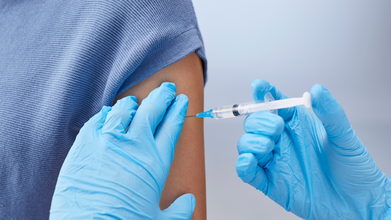
Credits: Canva
Vaccines are among the most powerful tools in modern medicine, preventing millions of deaths each year. Yet getting those vaccines safely from laboratories to people who need them is far more complicated than many realise. Most vaccines must be kept within a strict temperature range between 2°C and 8°C from the moment they are produced until they are administered.
This temperature controlled system, known as the cold chain, depends on refrigerators, insulated transport boxes and a steady supply of electricity at every step of the journey. Any disruption can damage the vaccine and make it ineffective. Now, scientists are testing a new technology that could remove this challenge altogether.
A vaccine designed to remain stable even at room temperature has shown encouraging results in an early human trial. Researchers believe this could change how vaccines are distributed, especially in regions where refrigeration is difficult to maintain.
The Challenge Of Keeping Vaccines Cold
Vaccines are sensitive biological products. Exposure to excessive heat or freezing temperatures can damage their active ingredients and reduce their ability to trigger an immune response.
To avoid this, countries rely on a carefully managed cold chain that transports vaccines from manufacturing facilities to warehouses, regional storage centers and finally to clinics. This process requires specialised equipment, trained staff and constant monitoring of temperatures.
However, maintaining this system is both expensive and complex. Equipment failures, power outages and transport delays can disrupt the cold chain at any stage. In rural or remote regions where electricity supply is unreliable, these challenges become even more serious.
Global health experts estimate that a large number of vaccines are lost every year because of temperature control failures during storage and transport. This leads to wasted doses, increased costs and gaps in vaccination coverage.
Because of these difficulties, scientists have long been searching for ways to develop vaccines that can remain effective without strict refrigeration.
A Vaccine That Can Survive At Room Temperature
One promising development is a vaccine candidate called SPVX02, which targets tetanus and diphtheria. It has been developed by the biotechnology company Stablepharma with support from the UK Health Security Agency.
What makes this vaccine different is the technology used to stabilize its active ingredients. The formulation allows the vaccine to tolerate higher temperatures without losing potency.
Early findings from a Phase I clinical trial suggest the vaccine can remain stable at around 30°C for as long as two years. The study was carried out at the Vaccine Development and Evaluation Centre in the United Kingdom and involved healthy volunteers.
Phase I trials are the earliest stage of human testing. At this stage, researchers focus mainly on safety, possible side effects and the body’s immune response.
If further trials confirm these findings, the same stabilization technology could potentially be applied to other vaccines as well.
Why This Could Matter For India
A fridge free vaccine could have major implications for countries such as India, which runs one of the largest immunization programmes in the world.
India’s Universal Immunisation Programme delivers vaccines to millions of children every year. To reach remote villages and urban settlements, the programme depends on a vast cold chain network that includes refrigerated storage facilities, specialized transport and vaccine carriers.
Maintaining this infrastructure across a country with varied climates and uneven electricity supply can be difficult. Heat exposure during transport or power failures can lead to spoilage and wastage.
A thermostable vaccine that remains effective at room temperature could simplify this process significantly. It would reduce dependence on refrigeration, lower costs and make it easier to deliver vaccines in remote or resource limited areas.
What Happens Next
Although the early results are encouraging, the vaccine still needs to go through larger clinical trials before it can be approved for widespread use.
Future studies will involve more participants and compare the new formulation with existing refrigerated vaccines to confirm its effectiveness.
If the technology proves successful, researchers believe it could be adapted for many other vaccines in the future. That possibility could reshape how immunization programmes operate worldwide and help bring life saving vaccines to communities that have long struggled to access them.
US Judge Blocks RFK Jr.’s Vaccine Schedule, Says Government Ignored Science

Credits: Wikimedia Commons
A federal judge in Massachusetts has blocked a series of vaccine policy changes introduced by U.S. Health Secretary Robert F. Kennedy Jr., dealing a significant setback to the Trump administration’s health agenda. The ruling temporarily halts new vaccine recommendations and reverses recent decisions made by the government’s vaccine advisory panel.
The decision was issued by Judge Brian Murphy of the U.S. District Court for the District of Massachusetts. It came after several medical organizations argued that the government’s actions were not based on scientific evidence and could endanger public health.
Court Says Science Was Ignored
In his ruling, Judge Murphy said vaccine policy decisions have traditionally been based on careful review of scientific data. This process is also required under federal law.
However, he wrote that the government had ignored these standards while introducing changes to vaccination guidelines. According to the court, the decisions undermined the integrity of the process that normally guides national immunization recommendations.
The ruling stops the government from implementing those changes for now. It also means the Advisory Committee on Immunization Practices, or ACIP, cannot hold its scheduled meeting this week.
Lawsuit From Medical Organizations
The case was brought by six major medical organizations, including the American Academy of Pediatrics. They claimed that the new policies changed the childhood vaccine schedule without proper scientific review.
The groups argued that the government had made “arbitrary and capricious” decisions by bypassing the usual evidence-based process. They also questioned the qualifications of several members appointed to the vaccine advisory committee.
Judge Murphy noted in his ruling that only six of the 15 committee members appeared to have meaningful experience with vaccines. The committee is responsible for recommending which vaccines Americans should receive and when.
Read: 15 States Sue Trump Administration Over Revised Vaccine Schedule
Changes to Childhood Vaccine Schedule
The lawsuit focused on a series of policy changes introduced over the past year. These included reducing the number of diseases covered under the routine childhood immunization schedule.
In January 2026, federal officials announced a new vaccine schedule that lowered the number of diseases children are routinely vaccinated against from 17 to 11.
The changes also affected recommendations for Covid vaccines. Earlier in 2025, Kennedy announced that Covid shots would no longer be recommended for healthy children or pregnant women.
Health officials supporting the changes argued that growing mistrust of vaccines had reduced vaccination rates. They believed simplifying the schedule might rebuild public confidence.
However, critics said the changes were rushed and not supported by strong scientific review.
Experts Warn About Public Health Risks
Many doctors and public health experts strongly opposed the new policies. They warned that weakening vaccine recommendations could lead to outbreaks of preventable diseases.
Medical groups say childhood vaccination programs have been one of the most successful public health efforts in modern history. Vaccines protect children from serious diseases such as measles, polio and hepatitis B.
Several organizations also filed supporting legal documents in the case, including public health experts and research groups.
Government Likely to Appeal
Officials from the Department of Health and Human Services said the government plans to challenge the ruling. A spokesperson said the administration expects the decision to be overturned.
For now, however, the court order means previous vaccine recommendations will remain in place.
Medical organizations welcomed the ruling. They said it helps restore a science-based process that has guided vaccine policy for decades and protected the health of millions of children.
Read: CDC Vaccine Schedule: Coverage Falls From 17 to 11 Diseases For Children
What Were The Changes Suggested In The Latest CDC Vaccine Schedule?
The federal health department sought to reduce the number of shots American children receive, announced that the new Centers for Disease Control and Prevention (CDC), vaccine schedule will include routine shots for 11 diseases for children. This is down from 17 diseases, which were earlier included. Jim O'Neill, who is the acting director of the CDC updated the agency's immunization schedule to reflect the changes, effective immediately.
The most controversial change is the narrowing of recommendations for several common childhood vaccines. Immunization against the following illnesses is now advised only for high-risk children or after consultation with a health care provider:
- Hepatitis A
- Hepatitis B
- Meningococcal disease
- Rotavirus
- Influenza
- Respiratory syncytial virus, or RSV
Covid-19 vaccination has also shifted to a consultation-based recommendation rather than routine use for all children.
This means shots that were once automatically given at set ages, including at birth, during infancy, and in adolescence, may now depend on individual medical discussions rather than standard guidance.
Energy Drinks Are Not A Substitute For Water In Summer, Doctors Say

Credits: Canva
Water remains the most reliable and effective way to keep the body hydrated during hot weather. However, many people have increasingly turned to energy drinks during long workdays or busy schedules, hoping to stay refreshed or energized.
Experts warn that relying on these drinks instead of water can create several health risks, particularly when temperatures are high.
Energy drinks are typically marketed as quick solutions for fatigue and low energy. They often contain high levels of caffeine, added sugars and stimulants that may temporarily increase alertness.
While this short term boost may seem appealing, experts say these drinks are not designed to support proper hydration. When consumed frequently, especially during summer, they can place extra strain on the body rather than helping it stay cool and hydrated.
Dr Arun Sachdeva, an Internal Medicine Specialist at Felix Healthcare in Bengaluru, explains that replacing water with energy drinks during hot weather can interfere with the body’s natural hydration balance.
According to him, excessive consumption of these beverages may contribute to both immediate and long term health concerns, particularly when the body is already losing fluids through sweating.
Higher Risk Of Dehydration
One of the main concerns with energy drinks is their caffeine content. Caffeine acts as a mild diuretic, which means it can increase urine production and lead to faster fluid loss from the body.During summer, when sweating already causes significant water loss, this effect may make it harder for the body to maintain proper hydration.
When energy drinks replace water intake, the risk of dehydration increases. Common symptoms of dehydration include fatigue, dizziness, headaches and dry mouth. In more severe cases, dehydration can also affect concentration, physical performance and overall wellbeing.
Excessive Stress On The Heart
Another concern is the combination of caffeine and other stimulants commonly found in energy drinks. These ingredients can raise heart rate and increase blood pressure. Regular consumption, especially in hot weather, may place additional strain on the cardiovascular system.For people who already have high blood pressure or existing heart conditions, excessive intake of energy drinks could increase the risk of heart palpitations or irregular heart rhythms. Experts therefore recommend limiting the consumption of these beverages, particularly during periods of intense heat.
High Sugar And Empty Calories
Many energy drinks available in the market contain large amounts of added sugar. Drinking them regularly instead of water can significantly increase daily calorie intake without providing meaningful nutritional value.Frequent spikes in blood sugar levels may gradually increase the risk of metabolic disorders. Over time, consistently high sugar consumption can contribute to health problems such as obesity and type 2 diabetes.
Therefore, doctors advise paying attention to sugar content in beverages, especially during hot weather when people tend to drink more fluids throughout the day.
Sleep Disruption And Energy Crashes
Although energy drinks are commonly used to combat tiredness, their high caffeine content can disrupt normal sleep cycles if consumed frequently. Poor sleep can lead to persistent fatigue, irritability and reduced concentration.Instead of providing sustained energy, regular consumption of energy drinks may lead to temporary stimulation followed by sudden drops in energy levels.
This cycle can leave individuals feeling even more tired later in the day, creating a pattern where they rely on more caffeinated drinks to stay alert.
Kidney Health And Hydration
Proper hydration plays an important role in maintaining kidney health. Water helps the kidneys filter waste products and maintain fluid balance within the body. Energy drinks do not provide the same hydration benefits when they replace water intake.When the body does not receive enough water, the kidneys may struggle to function efficiently. Over time, poor hydration can increase the risk of kidney related problems and may affect the body’s ability to regulate fluid levels effectively.
Why Water Remains The Best Choice
Doctors emphasize that water remains the safest and most effective drink for maintaining hydration during summer. It helps regulate body temperature, supports organ function and replaces fluids lost through sweating without introducing excess caffeine, sugar or stimulants.
Energy drinks may occasionally provide a quick boost of alertness, but they should not be used as a substitute for water. Maintaining regular water intake throughout the day remains one of the simplest and most effective ways to support overall health during hot weather.
- Follow Us :


© 2024 Bennett, Coleman & Company Limited