
- Health Conditions A-Z
- Health & Wellness
- Nutrition
- Fitness
- Health News
- Ayurveda
- Videos
- Medicine A-Z
- Parenting
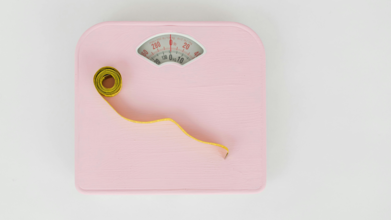
5 Scientifically Proven Sustainable Tips to Lose Weight Fast
Credits: Pexels
We all know that the key to weight loss is cutting carbohydrates, eating more protein, lifting weights and getting a good sleep. But do we know how much is needed? Or how much is too much?
Here are 5 tips you can adapt to your schedule that will help you with losing weight. These tips will also answer the question of ‘How.’ These scientifically proven tips do not just tell you what to do, but they also tell you how it works on your body.
Eating Habits
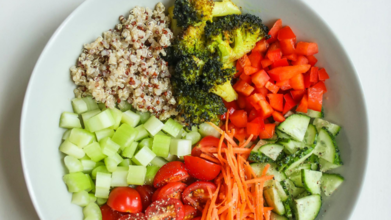
The first change you must adapt is in your eating habits. Include a variety of ingredients in your food. It must have a balance of protein, fat, vegetables and complex carbs.
Now the question arises, what are complex carbs?
Carbs are the major macronutrients that your body requires. These are the primary source of energy, but one must be sure of consuming the right carbs and avoiding the wrong ones.Complex carbs are digested slowly in your body and release glucose into your bloodstream gradually. In contrast, simple carbs are easy to break down and thus spike the sugar levels in your bloodstream. These are found in soda, baked goods, cookies, etc.
Three contents make up carbs, fiber, starch, and sugar. While the former two are complex carbs found in fruits, vegetables, nuts and whole grains, the latter one is a simple carb.
Complex carbs also guard you against Type 2 diabetes.
Include Protein
Protein helps in building and maintaining muscle mass and helps in losing weight by reducing cravings. Certain ingredients like lentils, black beans, chicken breast, leafy vegetables, tomatoes, bell pepper, and green beans can be included in the diet.One must be aware of the portion size too.
Healthy Fats
Ingredients like olive oil and avocado, taken in moderation can help too. Before consuming any product, it is a healthy practice to be mindful of it and note how many calories per gram does it consists of.Are Calories Important?
Yes, calories are important to perform the day-to-day activities in your life. This includes breathing and pumping blood. While the key to weight loss is to reduce your calorie count, it is also important to consume enough to let your body function well.Three ways your body utilises calories:
Resting Metabolic Rate: This is the number of calories your body requires to carry normal functions like breathing or pumping blood.Thermic Effect of Food: This is the number of calories that your body needs to digest, absorb, and metabolise food.
Thermic Effect of Activity: These are the calories your body needs when it exercises or engages in physical activity.
The key is to lose the number of calories that you consume every day to maintain a balanced weight.
You must also ensure that you are eating mindfully and now indulging in over-eating.
Learn to eat slowly, as slow eating gives your stomach enough time to tell your brain that you are not hungry anymore. This can prevent overeating.
Physical Activities
Now we have covered our lesson on eating habits and practices and how it affect our body. Let’s move on to the next tip.Changing eating habits is not enough, one must also follow a regular exercise routine with it for better benefits.
With the growing sedentary lifestyles or living in compact spaces, it may be difficult to go for long runs. But there are some exercises you can do in a small space.

Include cardio workouts like high knees, butt kicks which require minimal space. If you want some advanced minimal-space workouts, you can try mountain climbers or burpees.
Fibres
While we just went down an eating regime, we must focus on fibres separately. Fibers move slowly through the digestive tract and can help you feel fuller for a long time. This way it supports weight loss, and you won’t crave food if you have enough fibres.It also stabilises your blood sugar levels. You can include oats, chickpeas, bananas and sprouts in your diet.
Hydration
Keeping yourself hydrated is the key to weight loss.Water helps in weight loss by reducing food intake. If you drink enough water before a meal, you will not feel the need to overeat.
It also increases the rate of fat burning in the body. It is advisable to drink beverages which are low in carbohydrates and now drink sugar, sweetened or aerated drinks.
Water is the best beverage for weight loss, it also helps remove your body’s waste and prevents bloating.
Resting
While working out is important, getting a good night’s sleep is also very important in the weight loss journey. A 2010 research that studied participants for two weeks found that those who sleep for 5.5 hours lost 55% less weight as compared to those who slept for 8.5 hours.Sleeping also helps to maintain the levels of Body Mass Index (BMI). Not getting enough sleep may cause a disbalance in hormonal levels which controls your hunger.
Experts also say that you must have a 3-hour break between your dinner and your good night’s sleep. During this time, your body digests the food. Without this break, your body is prone to indigestion or acid reflux.
How Does This Regime Work?
Studies have shown that in the initial week, you tend to lose more weight and then as the weeks go by, the weight loss becomes gradual and more consistent. Everyone’s body works differently. A study done by John Wiley & Sons in 2018 published in the National Library of Medicine says that gender may be the reason that weight loss journey varies. The study done on 2,000 participants for 8 weeks, who were on an 800-calorie diet, showed that women burn 5 to 10% less calories than men. The study also revealed that men lost 16% more fat than that of women.Other factors like age, genetics and medication can also be factors on your weight loss journey. Therefore, it is important to consult a nutritionist or your doctor.
Weight Loss Diet: 6 Filling Indian Breakfast Foods With Less Than 300 Calories

Indian breakfast foods usually comprise paranthas, puri and bhatura. However, we recommend some weight loss-friendly choices. (Photo credit: iStock)
New Delhi: Lustrous curries, flavourful breads, and delectable condiments—that is Indian food for the whole world. This cuisine holds a special place in the hearts of many, even the not-so-desi crowd. The cloud to this silver lining, however, is the fact that Indian food also ranks among the unhealthiest cuisines in the world. The striking flavours that it has to offer have, over time, made India the diabetes capital of the world. With rising diabetes and obesity incidence, it is time to turn to the healthier side of Indian cuisine—especially for breakfast.
Read more: 5 Scientifically Proven Sustainable Tips to Lose Weight Fast
In a country where a large chunk of people like to start their day with paranthas, puri, and pakoras, it is time to turn to healthier breakfast options with a relatively lower calorie count. Here, we enlist the top 6 Indian breakfast foods that can work wonders not only to keep your calorie intake low but also to support weight loss goals in the long run. With less than 300 calories and a whole pool of nutrients on offer, here is what you can have for breakfast on a weight loss diet.
Read more: Are You Losing Weight Or Muscle Mass? What Does Healthy Weight Loss Look Like?
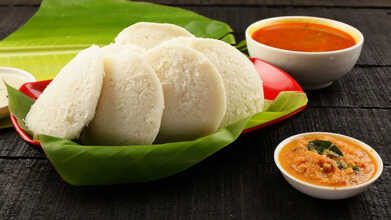
Steamed idli: Steamed idli is one of the best ways to ensure that your breakfast is healthy, filling, and also weight-loss-friendly. Idli served with coconut chutney or sambar gives 150–200 calories per serving (2–3 idlis). The fermented rice cake is gut-friendly, low in calories, and easily digestible, especially when paired with high-fibre sambar.
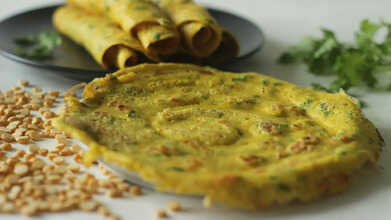
Moong dal chila: One of the best ways to keep your protein intake high for breakfast, without relying completely on eggs, is by eating moong dal chila. This lentil-based pancake is savoury and delicious, and due to its nutrient composition, it can make you feel satiated in a single serving. It is high in protein and promotes satiety. It provides around 200 calories per chila.
Uttapam: Made from semolina and lots of vegetables, sometimes even a millet base such as ragi or jowar, this delicious South Indian breakfast food will not just satiate you but also support your weight loss efforts. Per pancake, uttapam can provide 150–200 calories, depending on the ingredients used.
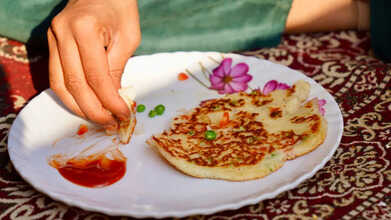
Daliya: As much as this might sound like a sad breakfast option, especially when one is counting on the unique flavours of Indian cuisine, daliya can be made tastier. Also known as broken wheat porridge, this dish is high in fibre and works wonders for better digestion. Each serving will help you keep the calorie count below 200 while also ensuring that you stay satiated.
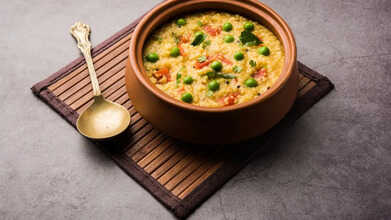
Paneer bhurji and roti: Paneer, or cottage cheese, is a fresh cheese that is high in both protein and fats. It is one of the most recommended foods when it comes to designing a weight loss diet plan. For breakfast, before kicking off a long and demanding day, it is advised to enjoy this with one roti—this way, you can keep the calorie intake low while getting ample protein to start your day.
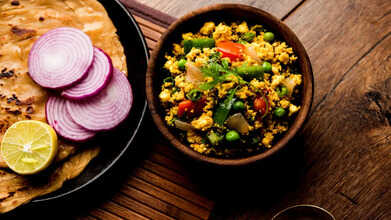
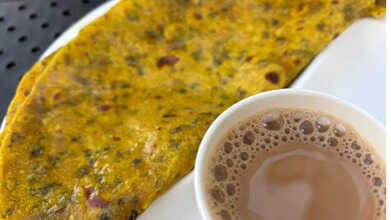
Methi thepla: A Gujarati delicacy, this thin flatbread contains fenugreek, fibre, minerals, and carbohydrates that provide energy. When it comes to Indian breakfast foods, it could be one of the best choices for keeping it light while also being filling.
Shocking! Eating One Whole Pack Of Chips Daily Raises Stroke Risk By 67 Per Cent

Binge eating chips does you no good, and a study has decoded why. (Photo credit: iStock)
New Delhi: No time to cook? A pack of chips and cookies can come to the rescue—but how healthy is this practice? Unfortunately, it is a world where many prefer the more convenient choice for food and drink, something that requires almost no effort. But little do we realise that this habit of trying to keep things convenient can backfire in the long run. Ultra-processed foods such as chips, cookies, and sodas can give your taste buds a treat, but at a very high cost. Your favourite packaged foods, even if they say 'no sugar' or 'fat-free' on the label, are loaded with sweeteners and preservatives that do little good in the long run. How much does it take to give you a stroke? Let's find out.
Read more: Young Cancer Cases on the Rise: Is Junk Food + Sedentary Life to Blame?
According to experts at the University of Texas Health Science Center, ultra-processed foods are associated with a heightened risk of heart disease. Studies strongly recommend sticking to a safe limit when consuming these foods, as going overboard can backfire in unpredictable ways. Not only do these foods spike cholesterol, but they can also silently result in weight gain, blood sugar fluctuations, and even obesity-driven type 2 diabetes.
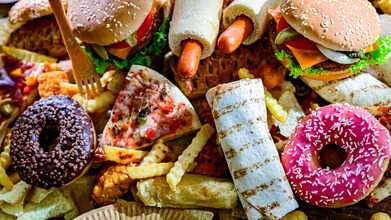
What is the impact of eating processed foods in excess?
Several studies have been conducted in this area, and it turns out that eating ultra-processed foods is associated with 32 health conditions. Experts say that one of the best ways of understanding this is through the analogy of corn—on the cob, it is unprocessed, but the moment it is canned or turned into corn crisps, it enters the unhealthy food category.
A new study from the American College of Cardiology (ACC) has found that nine servings or more of such foods in a day could increase the risk of heart attack and stroke by a whopping 67%. Furthermore, every additional serving increases the risk of life-threatening complications by approximately 5%. This may lead many to believe that nine servings is an inflated number; however, many people easily surpass this on a daily basis. For instance, a standard serving of chips is 30 grams, which amounts to 15 crisps. A regular pack of chips, however, is about 150 grams, which can easily exceed the safe limit.
The study, presented at the ACC's Annual Scientific Session, examined data from approximately 7,000 adults collected between 2000 and 2012, with questionnaires assessing how many portions of UPFs one consumes in a day. For this, researchers referred to the NOVA classification system, which categorises food into four groups—minimally processed, unprocessed, lightly processed, and ultra-processed.

Participants who ate the most processed foods consumed about 9.3 servings per day on average. People in this group were 67% more likely to die due to stroke or coronary heart disease, heart attack, or cardiac arrest. Yet, some researchers stressed that regardless of the calories consumed in a day, the risks associated with UPFs were about the same. Overall, every daily serving was associated with a 5.1% rise in the risk of adverse cardiac events.
How to spot ultra-processed foods?
Experts say that the key rule of thumb for spotting UPFs is to look for ingredients that you would never purchase for your own kitchen. These may include ingredients such as:
- Artificial colours
- Artificial sweeteners and thickeners
- Corn syrup
- High-fructose corn syrup
- Hydrolysed proteins
While the supermarket is stocked with ultra-processed foods, it is advised to ensure that at least 80% of your diet comprises minimally processed foods like fruits, vegetables, fresh meat, legumes, whole grains, nuts, and seeds.
Diabetes Diet Plan: South Indian Breads That Are Better Than Roti
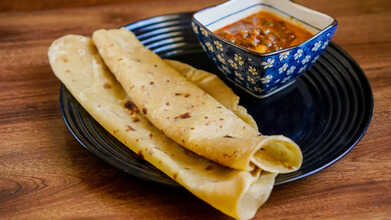
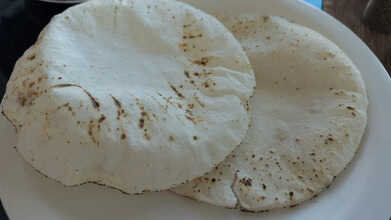
Wheat roti is an inflatable bread that has gluten and is high in calories as well. (Photo credit: iStock)
New Delhi: Talk of a classic Indian meal, and the key components are dal, roti, vegetable curry, and rice. One of the most popular flatbreads, roti is an essential component of a basic North Indian meal—but little do we realise that it can provide approximately 100 calories per piece. For a diabetes patient, this can be a concern due to blood sugar fluctuations. So, what alternative can one fall back on? It is South Indian cuisine that can come to your rescue, as it not only satisfies the taste buds but is also considered diabetes-friendly and weight-loss-friendly.
Read more: Eating Right, Working Out - Still Gaining Weight? Here’s Why
Why are South Indian breads healthier?
The key component of roti or chapati is wheat. Despite being a decent source of fibre, it has a high glycemic index that can result in spikes or drops in blood sugar levels. South Indian breads such as dosa are rice- and lentil-based or sometimes made with sooji. These are cooked on low heat on a tava, or sometimes even steamed. This, in turn, keeps the calorie count low while delivering fibre, protein, and essential vitamins in a meal. A number of South Indian breads are also gluten-free. Take a look at the top five healthy South Indian breads that are far better than roti.
Dosa: Talk of South Indian food, and dosa always takes the cake for being versatile, delicious, and healthy. What more can one ask for? It is a fermented crepe made from lentils and rice. Its calorie count is as low as 100–120 calories. A filling option, this bread is worth mentioning in a series of healthy Indian breads.
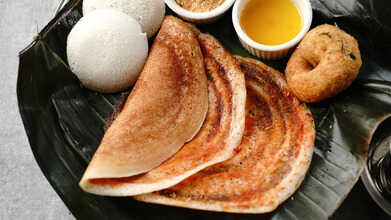
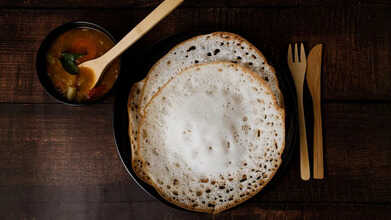
Appam: Naturally low in fat, appam is also a healthy South Indian flatbread made from rice flour and coconut milk. The batter is fermented for a period of time and then prepared like a soft, fluffy pancake. Appams generally provide 100–150 calories per piece.
Uttapam: If you are looking for a more elaborate preparation with lots of vegetables, then uttapam can be your pick. This South Indian bread is a popular breakfast food, as it is nutrient-dense, filling, and incredibly delicious. This fermented dish packs protein, fibre, probiotics, and other essential vitamins. It is good for weight loss and also benefits diabetics managing blood sugar fluctuations.
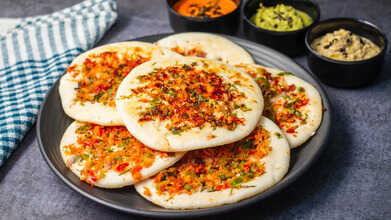
Akki roti: Akki roti is gluten-free and made from rice flour. Native to Karnataka, this flatbread is generally served for breakfast and is prepared by mixing rice flour with onions, green chilies, or vegetables like carrots and cucumber.
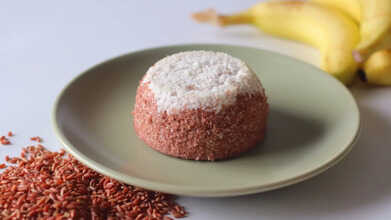
Puttu: Native to Kerala, this South Indian bread is made with steamed white rice and coconut shavings. It is gluten-free, low in calories, and also has a low glycemic index. Therefore, it is a good choice for diabetes patients.
- Follow Us :


© 2024 Bennett, Coleman & Company Limited