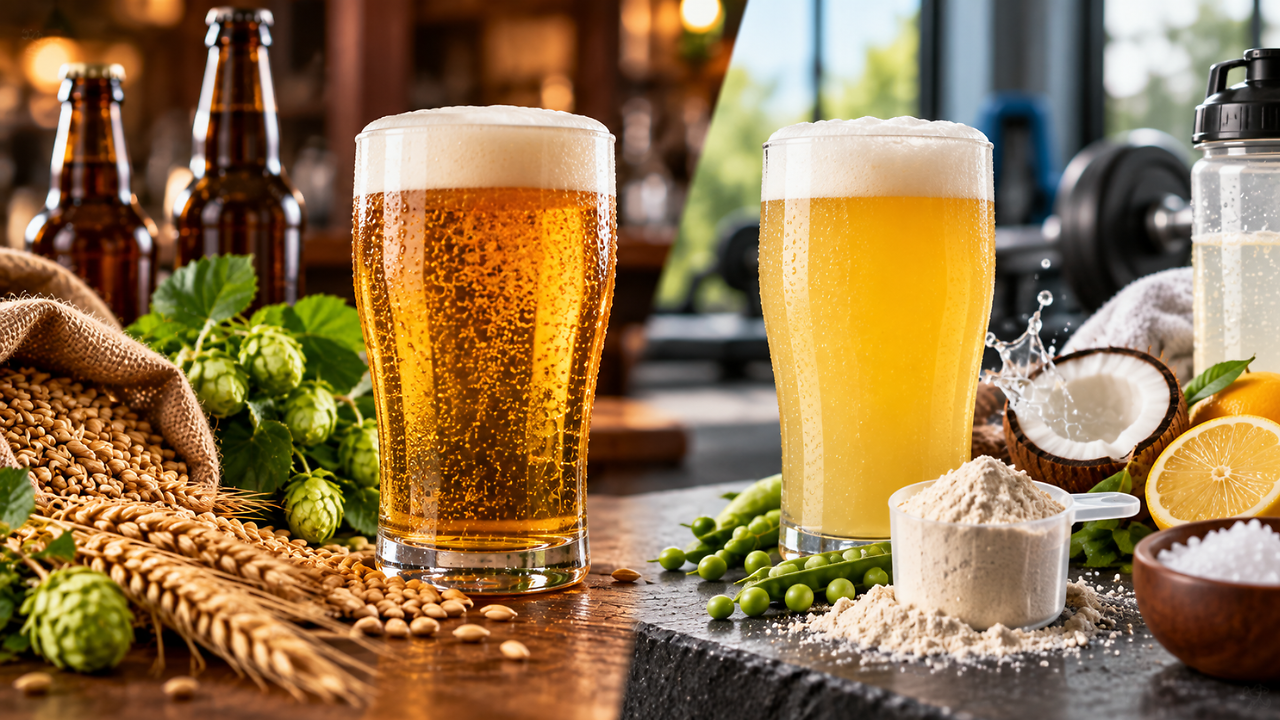
Just when we thought the widespread protein takeover on almost all foods and drinks had settled, it crept up in the alcoholic beverage industry. Yes, beer may soon be getting a ‘health makeover’. The world's largest brewer by market value has declared its plans to introduce smaller pack sizes as well as ‘health-ify’ these drinks by adding protein or electrolytes. With this move, the company wants to create a shift in changing consumer preferences amid growing focus on health and wellness. The company has already launched a version of its Spaten beer that contains added protein in Brazil and now plans to expand low-calorie, zero-alcohol beers with functional ingredients like protein and electrolytes. The company has candidly expressed that wants to increase consumption among people who drink beer occasionally. The news leaves us with one glaring question: does adding protein or electrolytes actually make an alcoholic drink healthier? To put it simply, it won’t if the drink contains alcohol. The Era Of Protein In Beer As most of us know, protein is an essential macronutrient needed to build and strengthen muscles, enzymes, hormones, and repair tissue. Simply adding protein to a beverage can amplify its nutritional value. But doing so with an alcoholic drink like beer does not negate the harmful effects of alcohol. Alcohol is a psychoactive and toxic substance that threatens the consumer with dependence-inducing properties. The World Health Organization says alcohol consumption is linked with more than 200 diseases, injuries, and health conditions. Also considered to be carcinogenic, alcohol increases the risk of several cancers, including breast, liver, colorectal and oesophageal cancers. So a beer containing some additional protein cannot automatically be considered a healthy, protein-rich drink that one can consume regularly. This is because the nutritional value of the added protein has to be considered separately from the risks linked with the alcohol itself.Also read: US Gen Z, Millennials Are Drinking Less Alcohol For First Time Since COVID-19 Do Electrolytes Make A Difference? Electrolytes like sodium and potassium can help regulate fluid balance in the body, especially when one is dehydrated. Electrolyte drinks can be useful in situations when the body loses significant fluid and electrolytes, like prolonged exercise, sweating or certain illnesses. But adding electrolytes to an alcoholic beverage does not make it healthier. Alcohol increases the production of urine and thus contributes to dehydration. It can disrupt the electrolyte balance in your body even on days when you don’t engage in strenuous exercise. Therefore, an electrolyte label should not have an alcoholic drink be considered appropriate for hydration.Also read: BORG Drinking Trend: Why These Viral Alcohol Jugs Can Be DangerousMarketing Gimmick To Get More People Drunk The company, Anheuser-Busch InBev, has openly said it wants to grow beer consumption among occasional drinkers, while simultaneously cashing in on the current health-and-wellness trend with products containing protein, electrolytes and fewer calories. It may seem to be a harmless tactic, but presenting alcohol alongside words associated with fitness and nutrition could make the product appear healthier than it actually is. The company is simply ‘masking’ its beer to make it more palatable for health-conscious consumers. This is not the first time an alcohol company has resorted to such marketing gimmicks. They often opt for surrogate marketing, especially in countries where advertising alcohol directly is prohibited. Dr. Robin Ireland, public health activist and honorary research fellow at the University of Glasgow, UK, told HealthandMe, “Alcohol companies often promote alcohol-free products. In India, I'm aware of surrogate marketing, where alcohol companies produce packaged drinking water using the same brand, colourway and distribution networks. So it's hardly surprising these brands are normalised to young people. Even where alcohol advertising is banned, alcohol can still be heavily promoted.” This does not mean the company's intention is to deliberately mislead consumers. But the poorly-placed combination of wellness language and an alcoholic product can blur an important health boundary. Hence, it is crucial to remember that adding a beneficial nutrient does not eliminate the harm associated with ethanol. WHO warns that there is no risk-free level of alcohol consumption. It says that the health risk comes from the alcohol itself, regardless of the type or quality of the drink. Can Labelling Help? One may argue that alcohol companies will do the ethical thing and disclose all the nutritional facts on the packaging. But it’s not a guarantee that everyone will read the information diligently and make the healthy choice. Dr. Ireland said, “Labelling helps, but it's only part of the solution. Not everybody has the time or resources to read labels, and people will still buy what they can afford and what is accessible.” As alcohol companies have resorted borrow the language of wellness to influence consumer behaviour, people should learn to look beyond the front-of-pack claims and ask the simplest question first: How much alcohol does it contain?