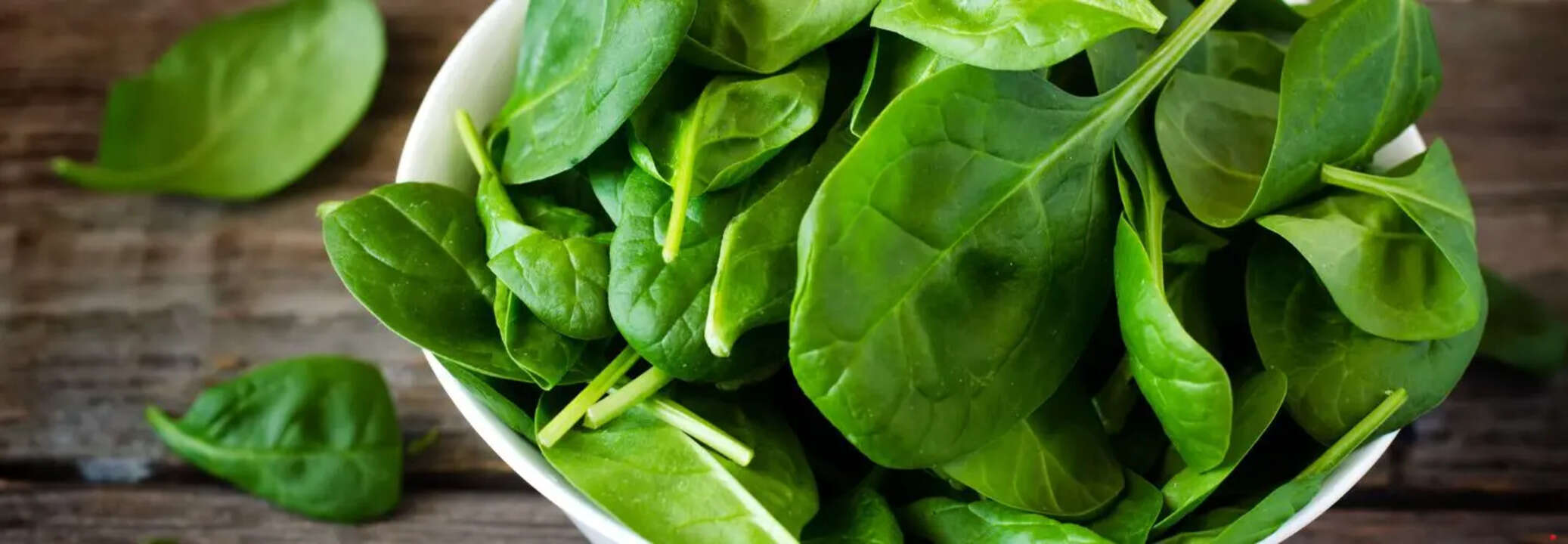
A new TikTok trend has people stuffing raw spinach leaves into their mouths and eating them in large quantities, with some users claiming that consuming spinach first thing in the morning can curb cravings for salty and sugary foods throughout the day. While spinach is undeniably nutritious and may help manage hunger, health experts caution that there is no scientific proof supporting that eating this vegetable can retrain taste buds. Spinach is rich in vitamins, minerals and antioxidants. It also provides fiber, which may promote satiety and reduce between-meal cravings. Moreover, there is empirical evidence that eating vegetables and proteins before carbohydrates—a practice known as meal sequencing—can help lower blood sugar spikes, which may, in turn, reduce sugar and carb cravings. One recent review of 11 studies found that individuals who ate carbohydrates at the end of their meals had lower blood sugar levels.No Scientific Evidence To Support Spinach Health Benefits However, despite its many benefits, there is no scientific evidence to show that spinach retains taste buds. Still, the trend has encouraged people to eat more spinach, which health experts say is a good practice. That said, consuming spinach in excess isn’t without risk. Although there is no official consensus on how much is too much, the U.S. Department of Agriculture defines a serving as 2 cups of raw spinach or 1 cup of cooked spinach.Spinach contains high levels of vitamin K, which may interfere with certain blood-thinning medications. It’s also rich in oxalates—compounds that can bind to calcium and potentially worsen kidney stones in susceptible individuals. Cooking spinach can help reduce its oxalate content.Raw Spinach Is Superfood Packed With Vit-CIn terms of nutritional value, raw spinach offers more lutein and vitamin C, while cooking increases the bioavailability of nutrients like vitamin A, beta carotene, thiamin, riboflavin, magnesium, and calcium. Nutrient content can also vary depending on soil quality, storage duration, cooking method, and time, said registered dietitian Theresa Gentile, spokeswoman for the Academy of Nutrition and Dietetics.If you’re not a fan of spinach, there's no need to force it down, experts noted. Gentile suggests trying baby spinach, which has a milder, sweeter taste. Alternatively, other dark leafy greens like kale, arugula, cabbage, collard greens, escarole, mustard greens, romaine, Swiss chard, turnip greens, and watercress can be just as nutritious.Adding spinach or other greens to breakfast or blending them into smoothies is a great start, but one mouthful won’t meet the daily recommended intake of 2 to 4 cups. Experts recommend incorporating a variety of vegetables, including colorful peppers and cruciferous options like broccoli, cauliflower, and brussel sprouts.