
- Health Conditions A-Z
- Health & Wellness
- Nutrition
- Fitness
- Health News
- Ayurveda
- Videos
- Medicine A-Z
- Parenting
Can Your Diet Affect Menopause?

Credits: Canva
Hormones are important for your body as they are the body's internal messenger. They are responsible for orchestrating countless processes like metabolism, immunity, menstrual cycles, and reproduction. Keeping them balanced is essential for your health. But did you know that what you eat can also influence these hormones? As much as these hormones tell you what and when to eat, it also works the other way around.
If you’re going through menopause, you’ve probably noticed some unwelcome changes. This phase often brings hormonal fluctuations that can leave you dealing with hot flashes, mood swings, and other symptoms. The good news? Your diet can make a difference.
Estrogen and Plant-Based Helpers
Estrogen, the primary female sex hormone, plays a crucial role in regulating your menstrual cycle and preparing your body for pregnancy. During perimenopause—the lead-up to menopause—estrogen levels fluctuate wildly. When menopause strikes, hormone levels fall dramatically, causing recurrent symptoms including night sweats, mood swings, and irregular periods.
While estrogen cannot be absorbed directly from the diet, many plant-based foods include phytoestrogens, which are natural compounds that mimic the effects of estrogen, albeit subtly.
Foods That May Help:
Soy: A top source of phytoestrogens, particularly isoflavones, which bind to estrogen receptors in your body. Studies suggest soy may help alleviate hot flashes, improve cholesterol levels, and even reduce the risk of heart disease during menopause.
Flaxseed: Packed with lignans, a type of phytoestrogen with mild estrogenic effects, flaxseed may also offer some relief.
Including these foods in your diet could help ease symptoms and reduce your risk of certain menopause-related conditions.
Insulin, Glucagon, and Blood Sugar Balance
Insulin and glucagon are hormones produced by your pancreas to regulate blood sugar levels. Insulin helps transport glucose into your cells for energy after a meal, while glucagon ensures your body has an energy source during fasting periods.
During menopause, hormonal changes can cause a shift in body fat distribution, leading to increased belly fat. This raises the risk of insulin resistance—a condition where your body doesn’t respond properly to insulin, potentially paving the way for diabetes.
What You Can Do:
Stick to complex carbohydrates like whole grains, beans, lentils, and vegetables. These stabilize blood sugar levels better than refined carbs like white bread and sugary snacks.
Avoid overeating, as consuming more calories than you burn increases the risk of weight gain and insulin resistance.
Cortisol: Managing the Stress Hormone
Cortisol, often called the stress hormone, is released during your body’s fight-or-flight response. While it's essential for handling short-term stress, chronically high cortisol levels can lead to increased stress, high blood pressure, and stubborn belly fat—especially during menopause, when fat tends to accumulate around the midsection.
Simple Lifestyle Tweaks:
- Limit caffeine and alcohol, both of which can mildly elevate cortisol levels.
- Focus on stress-reducing activities like yoga, mindfulness, or deep breathing.
Why a Balanced Diet Matters
A nutrient-packed, balanced diet is the foundation of good health at any age. Prioritize:
- Vegetables and fruits: Rich in vitamins and antioxidants.
- Whole grains: Great for maintaining steady blood sugar levels.
- Lean proteins: Support muscle health and repair.
- Low-fat dairy: Provides calcium for bone strength.
- Avoid ultra-processed junk foods, excessive sugar, and unhealthy fats, which contribute little beyond empty calories.
Why You Should Use Moringa Sanitary Pads, Expert Reveals
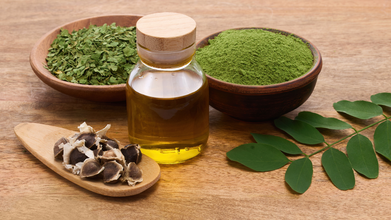
(Photos: Canva)
Pads are made of synthetic fibres that cause rashes and bacterial infections that further lead to serious problems such as Reproductive Tract Infections, skin irritation, Urinary Tract Infections and Bacterial Vaginosis.
Every month millions of synthetic pads are discarded and many suffer from serious menstrual hygiene problems. Officials note that about 70 percent of reproductive diseases in India are linked to poor menstrual hygiene, affecting nearly 120 million adolescent girls.
Dr Richa Singhal, senior consultant, obstetrics and gynaecology, at Cloud Nine Hospital in Delhi's Patparganj notes: ''A sanitary pad's top-sheet contacts sensitive intimate skin for several days each month."
Poor hygiene, such as reusing unclean cloths or not changing materials frequently, causes infections and itching, rashes, foul odor can increase the chances of cervical cancer.
Here are some alternatives that can replace synthetic pads and prevent serious health issues:
Moringa PadsMoringa, also known as miracle tree, can be consumed in the form of powder, leaves or tablets. Used for its medicinal properties, it has as a 5,000-year history, deeply rooted in Ayurveda for medicinal use.
In modern times, gynaecologists recommend moringa based pads to reduce the risk of urinary tract infections, bacterial vaginosis and yeast infections during menstruation.
It is known for its antimicrobial, anti-inflammatory and antioxidant properties which make it suitable for intimate areas and menstrual care.
Packed with high levels of Vitamin E and fatty acids which strengthen skin barriers and prevent chafing, viable for those who have extended periods. Rich in bioactive compounds, it supports vaginal health by balancing PH level making it suitable for menstrual pads.
These pads can reduce the risk of skin infections, UTIs and yeast infections.
Cotton Reusable Pads
These are eco-friendly as they are made from layers of absorbent cotton, bamboo, or fabric. Contrary to synthetic pads, these are good for your skin and prevent rashes caused from synthetic materials.Period Underwear
Serving as a reusable and sustainable alternative, period under wears keep you dry and comfortable for hours without causing you infectionsThis Natural Fruit Can Replace Sugar On Your Table
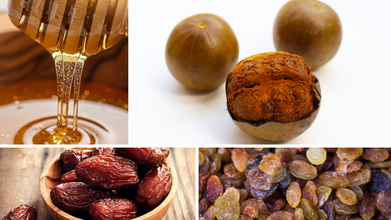
Natural Sweeteners (Photos: Canva)
The switch from white sugar to natural sweeteners like honey, dates and coconut sugar are becoming popular as people grow more away of the side effects of refined sugar.
Among these, monk fruit stands out as a low-calorie alternative that supports metabolic health.
According to National Institutes of Health, consuming white sugar results in allergic reactions and severe metabolic effects and cardiovascular effects. Medical conditions like diabetes, obesity, and fatty liver diseases.
Monk fruit
Monk fruit extract is obtained from the 'Siraitia grosvenorii' plant, which is native to China. It provides a calorie-free alternative to sugar, rich in antioxidants, ideal for weight management and reducing inflammation.Monk fruit sweeteners are produced by removing the seeds and skin, crushing the fruit, and then extracting its sweet portions into liquid and powdered forms. Its extracts are being used in sweeteners, packaged foods and beverages.
The International Food Information Council recommends this fruit-based sweetener to diabetic individuals to satisfy their desire for sweet taste while managing sugar intake.
Which Other Natural Sweeteners Can You Use?
Natural sugar is the naturally occurring sweetness in food, they are derived from natural sources like plants, fruits or tree ap, rather than being refined chemically.
They are packed with nutrients that help offset some of the negative aspects of the sugar content. They are comparatively less processed and contain lower glycemic acid which prevents sudden blood sugar spikes.
The key is not eliminating sugar from your diet but replacing it with healthier options like:
1. Fruit JuiceFruit juice is a healthier alternative when made without preservatives or added sugars, but fibre content is low compared to raw fruit.
Bananas, berries and mangoes are good as fruits that contain natural sweetness, they are packed with nutrients that boost immunity.
2. Honey and Maple Syrup
Honey, molasses and maple syrup contain natural sugar and nutritional benefits. These foods are filled with antioxidants and antibacterial properties that help stabilise gut health.They act as an effective cough remedy and can be added to oatmeal, yogurt or act as a substitute of sugar in tea and coffee. It also helps in lowering blood pressure and stabilizing digestive health.
3. Dates and Rasins
Known to be energy boosters, dates and raisins are rich sources of glucose and fructose, making them an excellent pre-workout snack. Their high fibre content is also good for maintaining digestive health.Whole or powdered dates can be added to hot milk or even cakes to make them healthier.
6 Foods That Helps You With Muscle Recovery

Credits: Canva
When you lift heavy or workout, you feel like your muscles have been strained, this is because before you muscles are build, there are small muscle ruptures. More than exercise, what matters is what you eat to help you muscles recover. The process is called hypertrophy, when intentional, controlled micro-tears caused by resistance training trigger the body to repair and strengthen muscle fibers. This process requires a specific cycle of damage, rest, and nutrition to be effective.
University of North Carolina Health Wellness Services manager and a certified personal trainer Kathy DeBlasio also explains, "You make microtears in your muscles when you work them. As you heal, you gain muscle and strength." She explains that these tiny tears cause you to feel pain, but they heal within 24 to 48 hours. What matters the most is your diet. There are different foods that help you recover your muscles. Here is a list of 6 foods for you to consume for muscle recovery.
Chicken

Duke Health notes that chicken breast is a lean source of high-quality protein essential for repairing and building muscles. It is also rich in amino acids, especially leucine, which is important for muscle synthesis. A 2024 study in Physiological Reports, noted that chicken intake, combined with resistance training on muscle mass has helped improve strength and muscle mass of elderly women.
Cottage Cheese

Registered dietitian Maddie Pasquariello, RD told Paloton, “Cottage cheese can be a very nutritious addition to your diet from both a macro- and micronutrient standpoint." Pasquariello explained that half-cup serving of full-fat cottage cheese packs around 13 grams of protein. It helps as a building block of muscles, bones, cartilage, skin, hair, and nails. It also helps build and repair tissue. It oxygenates red blood cells to nourish your body with nutrients, helps regulate hormones, supports the production of enzymes used to digest food and create new cells. It also helps in repairing and building muscles.
Potatoes
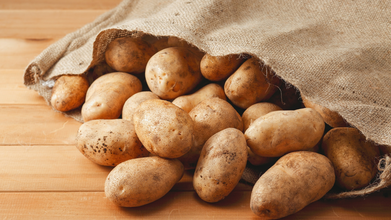
A 2022 study published in the journal Medicine & Science in Sports & Exercise (MSSE) notes that that potatoes contain a 1.5 per cent protein based on their based on their fresh weight. However, when potatoes are used for starch extraction, a residue remains, that can be used to extract potato protein. Ingestion of 30 g potato protein concentrate increases muscle protein synthesis rates both at rest and during recovery from exercise.
Read: 14 Drinks Or More A Week Could Increase You Risk Of Colon Cancer By 25%
Pomegranate Juice
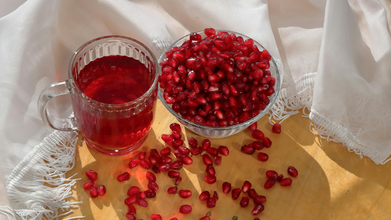
A 2016 study published in PLOS One notes that pomegranate supplementation accelerates recovery of muscle damage and soreness and inflammatory markers after a weightlifting training session. The study notes: "optimal dose of pomegranate supplementation, showed that either once-daily or twice-daily dietary pomegranate juice supplementation improves strength recovery of both leg and arm muscles after an unaccustomed eccentric exercise."
Eggs
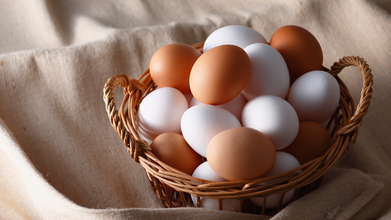
Natalie Rizzo, MS, RD, a registered dietitian, specializing in sports writes: "Eggs have a unique nutrition profile that is great for athletes of all ages. While they make a nice addition to any meal of the day, the nutrients in eggs can help with recovery after exercise."
Fatty Fish
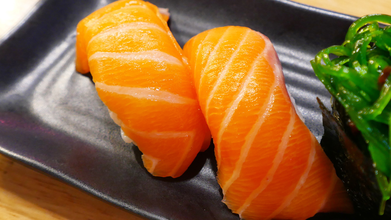
A 2024 study published in Clinical Nutrition ESPEN notes that omega-3 fatty acids in fatty fish could help increase muscle strength, however it does not increase in muscular mass. The study notes: "The interventions of omega-3 fatty acids supplementation and resistance training show promise as a countermeasure against muscular dysfunction."
- Follow Us :


© 2024 Bennett, Coleman & Company Limited