
- Health Conditions A-Z
- Health & Wellness
- Nutrition
- Fitness
- Health News
- Ayurveda
- Videos
- Medicine A-Z
- Parenting
Could This Daily Drink Be The Secret To A Longer Life?

Credit: Canva
Longevity expert Dan Buettner believes that a simple dietary habit could help extend life expectancy. According to the American author and researcher, incorporating green tea into your daily routine may add years to your lifespan. Green tea has long been a staple in the diets of people living in Blue Zones—regions known for the exceptional longevity of their inhabitants.
Buettner emphasizes that the key to unlocking green tea’s benefits lies in consistency. While an occasional cup may offer some advantages, drinking at least three cups a day has been linked to nearly four extra years of healthy life. Ideally, consuming up to seven cups daily may yield even greater benefits. Though researchers are still investigating the precise mechanisms behind these effects, many attribute them to the high concentration of antioxidants and catechins found in green tea.
Power Of Green Tea
Green tea is rich in polyphenols, compounds that have been shown to reduce oxidative stress, lower inflammation, and protect against chronic diseases. Research suggests that regularly drinking green tea may lower levels of LDL (bad) cholesterol, reducing the risk of heart disease, stroke, and heart attacks. A 2011 study highlighted that catechins in green tea contribute to modest reductions in cholesterol levels, while a 2013 study linked green and black tea consumption to lower blood pressure.
A more recent 2020 study, which involved over 3,300 participants, found that green tea consumption significantly lowered total cholesterol and LDL levels. These findings support the idea that green tea is not just a refreshing beverage but a powerful ally in cardiovascular health.
Brain Health And Longevity
The benefits of green tea extend beyond heart health. Its polyphenols are also believed to slow cognitive decline, protecting against neurodegenerative diseases such as dementia and Alzheimer’s. Some studies suggest that moderate green tea consumption is associated with a lower risk of cognitive impairment, with research projected for 2025 indicating that regular intake could offer additional protective effects, particularly in men.A Tradition Backed By Science
Buettner, who coined the term ‘Blue Zones,’ has long advocated for adopting dietary habits from the world’s longest-living populations. These regions, which include Okinawa (Japan), Ikaria (Greece), and Sardinia (Italy), have shown that lifestyle choices play a crucial role in health and longevity. In these communities, green tea is consumed daily, reinforcing the idea that long-term habits contribute to overall well-being.
In a recent discussion, Buettner reflected on this tradition, stating, “Why not drink what our ancestors have relied on for centuries—especially when their lifestyles have led to the outcomes we all desire: a long and healthy life?”
Making Green Tea A Part Of Your Routine
While adopting the habit of drinking multiple cups of green tea daily may seem daunting at first, incorporating it into your routine can be simple. Try replacing your morning coffee with a cup of green tea or having it as an afternoon refreshment. Opt for high-quality, unsweetened green tea for maximum benefits, and avoid adding sugar or artificial sweeteners.
Though green tea alone won’t guarantee longevity, when combined with a balanced diet, regular exercise, and stress management, it may serve as a valuable addition to a health-conscious lifestyle. With growing scientific evidence supporting its benefits, making green tea a daily habit could be a small yet powerful step toward a longer, healthier life.
Experts Share 7 Essential Nutrition Tips for Managing Chronic Kidney Disease | World Kidney Day
Credit: Pinterest
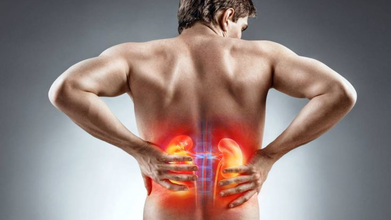
Chronic Kidney Disease (CKD) is a serious, long-term condition in which the kidneys lose their ability to filter waste and excess fluids from the blood effectively, while placing immense strain on the cardiovascular system, leading to heart disease and chronic inflammation.
According to the National Institute of Diabetes and Digestive and Kidney Diseases (NIDDK), for CKD patients, food becomes more than just an energy source; health is determined not only by foods but also by their quality.
There is no universal diet for people with CKD. In its early stages, dietary restrictions may be minimal. But as the disease progresses, patients often need to adjust their dietary choices and intake.
Experts advise people with CKD to work closely with a healthcare professional or dietitian. Nutritional needs can shift as kidney function changes and personalized guidance ensures that patients receive adequate calories while avoiding foods that strain the kidneys.
1. Salt And Sodium
Managing sodium intake is critical for protecting kidney health because excess salt forces the body to retain fluid which directly spikes blood pressure. When blood pressure remains consistently high, it acts like a high-pressure force against the delicate filters within the kidneys, causing them to deteriorate faster.Doctors recommend reducing sodium intake as the most effective way to lower the pressure on these organs while preventing fluid buildup in the body. Additionally, cooking meals from scratch using natural alternatives like fresh herbs and spices provides flavor while significantly reducing systemic strain and helps maintain stable fluid levels.
2. Protein
Balancing protein intake is a delicate decision for those with CKD. While protein is essential for maintaining muscle mass, its metabolism creates a waste product called urea. When kidneys are functioning well, they easily flush this nitrogen-based waste from the blood. However, in patients with kidney disease, this process becomes significantly impaired.
As a result, it puts an unnecessary burden on the remaining functional units of the kidney accelerate further damage. Therefore, shifting toward plant-based proteins, which are typically easier for the body to process than the high-phosphate proteins, is a good choice.
It is important to note, though, that this approach is not best for those undergoing dialysis treatment, as they require increased protein to compensate for the significant amount lost during the treatment process.
3. Potassium
Potassium plays a vital role in helping muscles and nerves function properly but can become a serious health risk when damaged kidneys are unable to remove the excess from the blood. This messes up with electrical signals that control the heart's rhythm, which may lead to dangerous heart palpitations or even sudden cardiac arrest.
Moreover, potassium is hidden in many healthy-looking foods like bananas and potatoes; patients must be extremely cautious with their dietary choices. That's why it's good to consult a doctor who may recommend specific preparation techniques, such as leaching or boiling vegetables in large amounts of water, to pull the potassium out before eating. Managing intake through careful food selection and modified cooking methods is a fundamental step in preventing life-threatening complications.
4. Phosphorus
Maintaining a proper balance of phosphorus is critical as diseased kidneys can no longer filter this mineral effectively. While phosphorus is found naturally in foods like dairy and beans, it is the artificial additives in processed products that are most dangerous, as the body absorbs them almost entirely.As a result, phosphorus levels in the blood skyrocket, and the body begins to pull calcium out of the bones to compensate leading to osteoporosis.
Furthermore, this excess mineral buildup can settle in the blood vessels, causing them to stiffen and increasing the risk of heart disease. Therefore, patients need to prioritize fresh foods and carefully check ingredient labels for hidden additives to protect both their skeletal and cardiovascular systems.
5. Daily Fluid Intake
The kidneys' primary function is to flush out the excess liquid from the body. However, with the CKD patients, the kidneys fail to do so, leading to swelling of extra fluid in the legs and arms. Furthermore, too much water increases blood pressure, which also puts a massive strain on the heart, making it vital to follow the specific daily limit set by a doctor.6. Heart-healthy Fats
The heart and the kidneys have an interconnected relationship. While the kidneys clean the blood from waste, the heart circulates that blood to the body. However, in CKD patients kidney fail to do so, the heart would be working too hard, leading to chronic inflammation with toxins in the blood.
That's why dieticians suggest not eating saturated fat foods such as butter, fried food and fatty meats, creating blockages called cholesterol in blood vessels, making it harder to let blood flow freely. whereas heart-healthy foods such as fats from avocados, nuts, and olive oil help in smooth blood flow.
7. Eat Enough Calories
Skipping meals is highly risky for patients with CKD as their kidneys are already exhausted. If the body does not receive enough energy from food, it begins to break down its own muscles leading to malnutrition, muscle loss and accelerated kidney decline.Additionally, inadequate nutrition causes extreme fatigue, weakened immunity and fatal nutrient imbalances. Dietitians encourage patients to obtain energy from nutritious foods so the body maintains strength while coping with the disease.
Avoid These Foods To Reduce Your Risk Of Chronic Diseases

Credits: Canva
What you eat does far more than simply fuel your day. Over time, the quality of food, the way it is prepared, and how often it appears on your plate can significantly influence long-term health. Increasingly, research shows that certain types of foods may quietly contribute to inflammation, metabolic dysfunction, and chronic illnesses such as heart disease, diabetes, and cancer.
Researchers at the VCU Massey Comprehensive Cancer Center have been exploring how diet and environmental factors shape health outcomes. Scientists there are particularly studying compounds called advanced glycation end products (AGEs) and their connection to chronic diseases.
Why Ultra-Processed Foods Are A Concern
Recent dietary recommendations from the United States Department of Health and Human Services emphasize a simple principle: eat real food and cut back on ultra-processed products.
Ultra-processed foods include packaged snacks, highly refined products, and foods loaded with added sugars. These foods are designed for convenience and long shelf life, but research increasingly links them to poor health outcomes.
Experts studying nutrition note that most research examining ultra-processed foods consistently shows they are harmful when consumed frequently. One major reason is their association with higher levels of harmful compounds such as AGEs.
Today, avoiding them entirely is difficult. Studies suggest that more than 70% of foods available in grocery stores are processed or ultra-processed in some way, making healthy choices more challenging for many people.
What Are AGEs And Why Do They Matter?
Advanced glycation end products, or AGEs, are harmful compounds that form when proteins or fats combine with sugars in the bloodstream. While small amounts occur naturally in foods, they tend to be much higher in ultra-processed items.
Once consumed, these compounds can accumulate in tissues throughout the body. Over time, this buildup may accelerate tissue aging and trigger harmful biological processes.
Research shows that AGEs can contribute to inflammation, oxidative stress, and metabolic dysfunction—three mechanisms strongly linked with chronic diseases. Patients with long-term conditions such as diabetes, cardiovascular disease, and certain cancers often show significantly higher levels of these compounds.
Because AGEs accumulate slowly over a lifetime, they may also reflect long-term lifestyle and environmental exposures.
Cooking Methods Can Also Increase Risk
It is not just what you eat that matters—but also how you cook it.
High-temperature, dry cooking methods such as grilling, roasting, or frying can significantly increase AGE formation in food. Many people assume grilling is automatically healthier than deep-frying, but when it comes to AGE formation, intense heat can still promote the production of these compounds.
This does not mean you must avoid these cooking methods entirely, but balancing them with gentler methods like steaming, boiling, or stewing may help reduce exposure.
Foods To Limit For Better Health
To reduce long-term health risks, experts recommend limiting:
- Ultra-processed foods, including packaged snacks and ready-to-eat meals
- Highly refined foods made from processed grains
- Products with high added sugar content
- Foods cooked at very high temperatures frequently
These foods often contain higher levels of AGEs and other compounds that may stress the body over time.
The Power Of Moderation
Dietary changes do not require giving up favorite foods completely. Experts often emphasise moderation rather than strict restriction.
Balancing high-AGE foods with healthier, minimally processed options can help the body manage these compounds more effectively. Whole foods, balanced meals, and mindful preparation methods can make a meaningful difference over time.
Ultimately, the goal is simple: prioritize real, less-processed foods whenever possible and keep indulgences occasional. Small, consistent changes in everyday eating habits can go a long way in lowering the risk of chronic diseases and supporting long-term health.
Danica McKellar Said She Loved How Her Placenta Tasted; Why Do Some People Eat It?

Credits: Wikimedia Commons
Danica McKellar, American actress said she was embarrassed to admit that she liked tasting her placenta. While she did not go into childbirth thinking she was going to taste her placenta, she says she is glad she did so.
She said this while explaining her surprising postpartum culinary experience in a conversation with Bobby Bones on The BobbyCast.
"My doula said, do you want to taste the placenta? I'd just given birth. And I'm like, sure. I mean, you're not even, you're not in your right mind. She gave me a piece of it. Bobby, it was like the best filet mignon that I have ever tasted. But more," she said.
She continued that she was embarrassed about how much she loved it. "It was bizarre. I thought, what is this, some sort of weird satanic...Am I a cannibal?"
She is now mom to 15-year-old son Draco Verta, who she shares with her ex-husband and composer Mike Verta.
Why Do People Eat Placenta?
A 2014 BBC report notes that placenta sustains life in the womb and leaves the mother once it has served its purposes after the childbirth. The nutrients that have passed from mother to fetus over the months of pregnancy are still packed inside the placenta and should not be wasted. Instead, the raw placenta, many believe, could provide what the mother needs to recover from childbirth and begins breastfeeding.
Some women, as the BBC report notes, are also choosing to drink the placenta in a fruit smoothie within hours of giving birth. While others keep it cool and send it off to be dried and made into capsules, or ripping chunk of it and placing it by their gums.
As per Mayo Clinic, some people believe that eating placenta can help them recover from postpartum depression. However, the US Centers for Disease Control and Prevention issued a warning against taking placenta capsules. The warning was based on the case in which newborn developed an infection called group B streptococcus after the mother took placenta capsules.
The mother was thought to be infected with group B strep bacteria that came from the placenta because the capsules tested positive for the bacteria. Then the infection spread to the infant. Group B strep can cause serious illness in newborns. That may include a severe infection called sepsis. Group B strep also can lead to meningitis. Meningitis is an infection that affects the lining of the brain and spinal cord.
This infection happens when one processes their placenta and it could expose the placenta to bacteria or viruses.
Placenta And What It Holds
The placenta contain several hormones, including oxytocin, estrogen, progesterone, and relaxin. It is also rich in protein, amino acids, and minerals. However, the claims of people saying that it is healthy and should be consumed after delivering a child to avoid postpartum depression have not been fully tested. There are however cases where animals other than humans eat placenta after birth as it could reduce there labor pain. However, the same has not been proven in humans.
- Follow Us :


© 2024 Bennett, Coleman & Company Limited