
- Health Conditions A-Z
- Health & Wellness
- Nutrition
- Fitness
- Health News
- Ayurveda
- Videos
- Medicine A-Z
- Parenting
Cucumbers Helps Lower Blood Pressure—But Don't Make This Common Mistake

Credit: Canva
If you're looking to manage high blood pressure, your first instinct might be to increase fibre intake, as research has linked fibre to better heart health. However, cucumbers—despite being low in fibre—offer other key nutrients that can support blood pressure regulation.
According to dieticians, cucumbers are a great snack for individuals managing hypertension. "Cucumbers are low in sodium and high in potassium, magnesium, vitamin K, vitamin C, and vitamin A, making them beneficial for overall health," she explains. Among these nutrients, potassium plays a crucial role in controlling blood pressure. It helps maintain electrolyte balance by aiding the kidneys in excreting excess sodium, a major contributor to hypertension. The recommended daily intake of potassium is around 4,700 to 5,000 milligrams. While one cucumber provides approximately 442 milligrams—about 1/11th of the daily requirement—it remains a valuable low-calorie source of this essential mineral.
Best Ways To Eat Cucumbers For Blood Pressure Benefits
To maximize the health benefits of cucumbers, experts recommend consuming them raw with the skin intact, as this retains most of their nutrients. If plain cucumbers don't appeal to your taste buds, pairing them with a low-sodium dip, such as Greek yoghurt or hummus seasoned with salt-free spices, is a healthy alternative.
One common mistake to avoid is adding table salt, which counteracts the blood pressure-lowering effects of potassium. Instead, consider seasoning cucumbers with herbs, lemon juice, or a light drizzle of olive oil for added flavour.
Who Should Be Cautious?
Although cucumbers are generally safe for most people, those on blood thinners should consult their doctor before increasing their intake. This is because cucumbers are rich in vitamin K, which plays a role in blood clotting and may interact with anticoagulant medications.
Additionally, some individuals may have allergies to cucumbers, especially if they are also allergic to related foods like melons, kiwi, celery, or ragweed pollen. If you experience symptoms such as itching or swelling after eating cucumbers, it’s best to avoid them and seek medical advice.
If You Can't Eat Cucumber, Then Drink It
Yes. That's absolutely right. If you cannot eat cucumber, then drink it. How? Infuse cucumber slices with water to get cucumber water. Intrestingly, cucumber itself is one of the most hydrating vegetables with 96% water content. Some studies suggest that cucumbers contain compounds that could aid in cancer prevention. Rich in antioxidants, it also helps combat oxidative stress, which is linked to chronic diseases like diabetes and cancer. Additionally, they also promote healthy skin by flushing out toxins and providing vitamin B-5, known for treating acne. With a good amount of vitamin K, cucumbers also contribute to bone health by supporting proper clotting and tissue formation. Adding cucumber water to your daily routine is an easy and effective way to boost overall well-being.
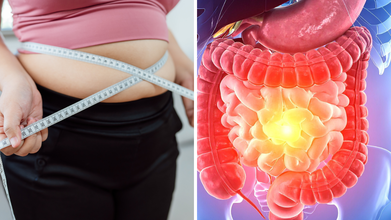
Expert Reveals Why You Keep Gaining Weight Despite Barely Eating
(Photos: Canva)
Recent insights from medical experts show that even people who eat very less can gain weight due muscle mass, stress, and their body’s movement during the day.
Dr Mohit Bhandari, a robotic bariatric and endoscopic weight loss surgeon, founder and director of Mohak Bariatrics and Robotics at Bhandari Hospital Indore notes some people eat whatever they want without gaining weight, while others struggle even with dieting.
The secret lies in the complex interplay of genetics, metabolism, and environmental factors that influence weight management.
This is why are you are putting on weight, according to Dr Bhandari:
1. Metabolism Differences
Studies have shown that metabolic factors are involved in the development of obesity and that being overweight is not simply a result of "sloth and gluttony."The speed at which the body burns calories is different for every individual. A slower metabolism means that even consuming small amount of food can lead to gain.
Individuals with high level of physical activity are less likely to be obese as they mean calories quicker.
2. Hormonal And Lifestyle Factors
Many women experience weight gain during menopause due to a drop in estrogen levels and subsequently fat distribution. This can lead to risk of heart diseases, Type-2 diabetes and joint problems.Hormones like thyroid hormones, cortisol, and play a major role in weight regulation. Stress, lack of sleep and Insulin sensitivity are also factors that lead to fat storage in the body.
3. Loss Of Muscle Mass
When muscle mass decreases due to ageing, inactivity or illness, it often causes a decline in physical activity, which further lowers daily energy expenditure.Consuming a snack rich in carbohydrate with 10-20 grams of protein before and immediately after strength training sessions further acts as a responsible factor in gaining weight.
4. Gut Health And Digestion
Poor digestion can also trigger inflammation, which interferes with blood sugar levels.Additionally, it can also trigger inflammation, which interferes with normal metabolism and insulin function, encouraging fat storage.
Why You Should Be Performing This Exercise Instead Of Lifting Weights

(Photos: Canva)
People are switching from weightlifting and training in the gym to real world strength training.
By strengthening multiple muscle groups at once, it enhances balance, posture, and overall physical efficiency. And one of the best ways to do this is by adopting the farmer's walk
What Is Farmer’s Walk?
Farmer’s Walk is a functional movement that involves picking up weights, maintaining a rigid posture, and walking with controlled steps, mimicking carrying heavy loads in daily life.Here’s Why Farmer’s Walk Has Gained Popularity:
1. Builds Body strength
Carrying heavy weights while walking strengthens the hands, forearms and wrist which directly support grip for other exercises.Meanwhile, the legs including the quadriceps and hamstrings support the lower body’s endurance.
2. Improves Balance And Posture
In terms of balance, carrying loads requires an upright posture. This enhances gait (heel strike of one foot to the next heel strike of that same foot) stability which reduces the chances of injury during weightliftingOverall, this exercise also regulates spinal and musculoskeletal health.
3. Supports Recovery
The Farmer’s Walk is an effective post injury and post-surgery recovery strategy due its scalable nature (weight adjusted to individual’s capacity).It can rebuild strength and stabilize mobility without exceeding tissue healing thresholds.
4. Time Efficient
Furthermore, this exercise provides a full body workout without spending hours in the gym.It can help build strength, improve balance, and boost endurance all at the same time by ensuing coordination among different muscles of the body, making it useful for physical therapy and everyday fitness.
5. Proper Diet and Care It is crucial to fuel your body and make it ready for such a comprehensive exercise.
Proteins such as legumes, tofu and supplements support muscle repair and growth making them an excellent source.
Hydration is the key factor that prevents fatigue and muscle cramps.
Before any extensive workout, warm up thoroughly with light cardio or stretching for about 15-20 minutes.
Treat Ultra Processed Foods More Like Cigarettes Than Food, Says Study
Credits: iStock
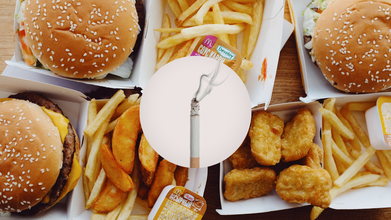
Ultra Processed Foods (UPF) should be treated more like cigarettes than foods. A new study by researchers at Harvard, the University of Michigan and Duke University noted that UPFs have more in common with cigarettes than with fruits and vegetables and thus require tighter regulation.
Treat Ultra Processed Foods More Like Cigarettes Than Food: What Did The Study Find Out?
Their findings, published on February 3 in the healthcare journal Milbank Quarterly, suggest that both industries have historically engineered products to maximize consumption and potentially drive addiction-like behaviors.
According to the researchers, both cigarettes and ultra-processed foods are developed using similar strategies aimed at influencing reward pathways in the brain. The study suggests manufacturers carefully calibrate ingredients to optimize the “dose” of sugar, fat or salt, ensuring rapid sensory satisfaction that encourages repeated consumption.
The paper draws from addiction science, nutrition research and public health history to highlight these overlaps. The authors concluded that many UPFs demonstrate behavioral and consumption patterns that resemble addictive substances, even if they differ biologically from tobacco.
Professor Ashley Gearhardt, a clinical psychologist at the University of Michigan and one of the study’s authors, said she often hears patients describe their eating patterns in language similar to addiction. She explained that many individuals report intense cravings for products like soda and sugary snacks, acknowledging their health risks but finding it difficult to stop consuming them.
Treat Ultra Processed Foods More Like Cigarettes Than Food: What Are UPFs?
UPFs refer to food products that are heavily industrially manufactured using ingredients rarely found in home kitchens. These often include additives such as emulsifiers, artificial flavors, preservatives and coloring agents. Common examples include sugary soft drinks, packaged snacks, biscuits, instant meals and processed meats.
Unlike minimally processed foods such as fruits or vegetables, UPFs are typically designed for longer shelf life, convenience and enhanced taste appeal.
Read: Ultra-Processed Foods May Add 330 Extra Calories A Day, Study Finds
Treat Ultra Processed Foods More Like Cigarettes Than Food: The Role Of Marketing And “Health Washing”
The researchers also examined marketing strategies used by food companies. They argue that claims such as “low fat” or “sugar free” may create a perception of health benefits while distracting from overall nutritional quality. The study compares this tactic to cigarette advertising in the 1950s, when filters were promoted as safety innovations despite offering limited protection.
The authors believe such marketing can delay regulatory action by creating confusion among consumers and policymakers.
While tobacco is not essential for survival, food is a basic human necessity, making regulation far more complex. However, Professor Gearhardt noted that it should still be possible to distinguish between potentially harmful ultra-processed foods and healthier dietary options, much like alcoholic beverages are regulated differently from other drinks.
The researchers argue that UPFs meet several established criteria used to identify addictive substances, including product designs that may encourage compulsive consumption. Regardless of whether UPFs qualify as addictive in a strict scientific sense, the authors emphasize that their link to rising health problems remains well documented.
The study recommends adopting strategies similar to tobacco control measures, including stricter marketing regulations, industry accountability and structural public health interventions.
However, not all experts fully agree with the comparison. Professor Martin Warren, chief scientific officer at the Quadram Institute, acknowledged parallels but cautioned against drawing direct equivalence between nicotine addiction and UPF consumption. He suggested that it remains unclear whether UPFs are chemically addictive or whether they primarily exploit behavioral preferences and convenience.
Professor Warren also noted that health risks associated with UPFs may partly stem from their replacement of nutrient-rich whole foods.
A Growing Global Concern
Dr Githinji Gitahi, chief executive of Amref Health Africa, warned that the expansion of ultra-processed food markets, especially in regions with weaker regulatory systems, is placing additional strain on public health infrastructure. He emphasized that without stronger government-led interventions, the rising burden of non-communicable diseases could overwhelm healthcare systems.
As research continues to explore the long-term health effects of ultra-processed foods, the debate highlights a larger question: whether modern food environments are shaping consumer choices in ways that demand stronger regulatory oversight.
- Follow Us :


© 2024 Bennett, Coleman & Company Limited