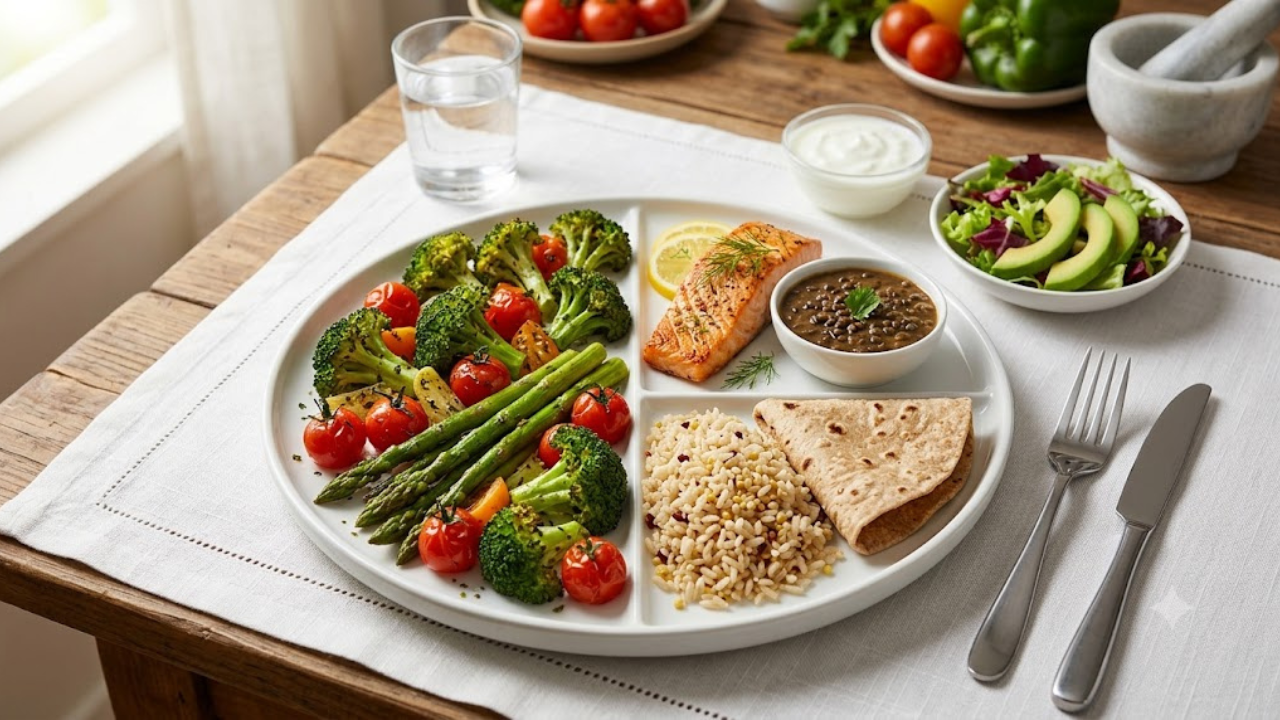
About 1 in 9 people, or 589 million adults worldwide, live with diabetes. The number is projected to more than double, reaching over 1.3 billion by 2050. As diabetes rates rise globally, diet advice is often reduced to one rule: cut carbohydrates. From very low-carb approaches such as keto to other restrictive diets, this can lead people to unnecessarily eliminate foods, sometimes at the cost of nutritional balance, variety and enjoyment. Speaking to HealthandMe as part of the ongoing Nutrition Week, health expert said rice, roti and other staple foods do not necessarily need to be eliminated. They said managing diabetes is not simply about cutting carbs, but about balancing carbohydrates with protein, fiber, healthy fats and vegetables while controlling portions. Quality and quantity should matter in a plate. Carbs Are Not The Enemy Also read: JD Vance Says Robert Kennedy Jr.’s Sauerkraut, Protein Advice Helped Him Lose Weight“There’s no need to restrict carbohydrate intake or eat bland, low-calorie meals. Carbohydrates are a source of energy, but for a person with diabetes it is important to select the right carbohydrates, manage amounts and ensure they are paired with sufficient amounts of protein, fiber and healthy fats,” Dr Ashok Kumar, Senior Consultant & Head, Medical Gastroenterology, Dharmshila Narayana Superspeciality Hospital, Delhi, told HealthandMe. Whole grains, pulses, vegetables and other high-fiber carbohydrate foods are generally better choices than refined carbs such as maida, sugary drinks, sweets and highly processed snacks. Carbs should also be paired with protein and vegetables rather than eaten alone. What Should A Diabetes-Friendly Plate Look Like? The experts suggested that practical approach is to fill half the plate with non-starchy vegetables, one-quarter with protein such as dal, paneer, curd, eggs, fish or lean chicken, and one-quarter with carbohydrates such as roti, brown rice, millets or whole grains. For example, a smaller portion of rice can be paired with dal, vegetables and curd, while whole-wheat rotis can be eaten with vegetables and a protein source. The exact portions should be individualized based on age, weight, physical activity, medications and blood-glucose targets. Is ‘Home-Cooked’ Always Healthy? While home-cooked meals are generally perceived as healthier, fresher and less processed than restaurant, packaged or ready-to-eat foods, are they necessarily better for people with diabetes? Dr Anoop Misra told HealthandMe that home-cooked food is not automatically healthy for people with diabetes. Traditional meals can still be heavy in refined carbohydrates such as maida and white rice, while providing too little protein and fiber. Excess ghee, repeated frying and snacks such as biscuits, namkeen, mathri and fried savories can further increase calorie intake. “The answer is not to abandon Indian home food, but to re-engineer it: reduce refined carbohydrates and ghee, increase vegetables, pulses and other protein sources, add fiber, control portions and minimize frying,” Dr Misra said. The question is not simply whether food is home-cooked, but what it is made of and how it is cooked. You Don’t Have To Give Up Favorite Foods At the same time, diabetes does not mean putting favorite foods on a permanent “do not eat” list, Umashakthy, Dietician, Assistant Manager and Diabetes Educator at Dr Mohan’s Diabetes Specialties Centre, Chennai, told HealthandMe. Strict diets may be difficult to sustain, she said, while small changes to familiar meals can make healthy eating more practical. “The goal should not be to fear food, but to understand it. When balanced eating becomes a habit rather than a daily restriction, managing diabetes becomes much easier and more sustainable,” she said.People can start with vegetables, add protein, watch carbohydrate portions and also be mindful of oil, salt, sugar and refined ingredients. Eating slowly, avoiding screens and planning portions when eating out can also help. There is no single “diabetic diet” for everyone. People taking diabetes medication or insulin should consult a doctor or dietitian before making major dietary changes, as medication doses may need adjustment.