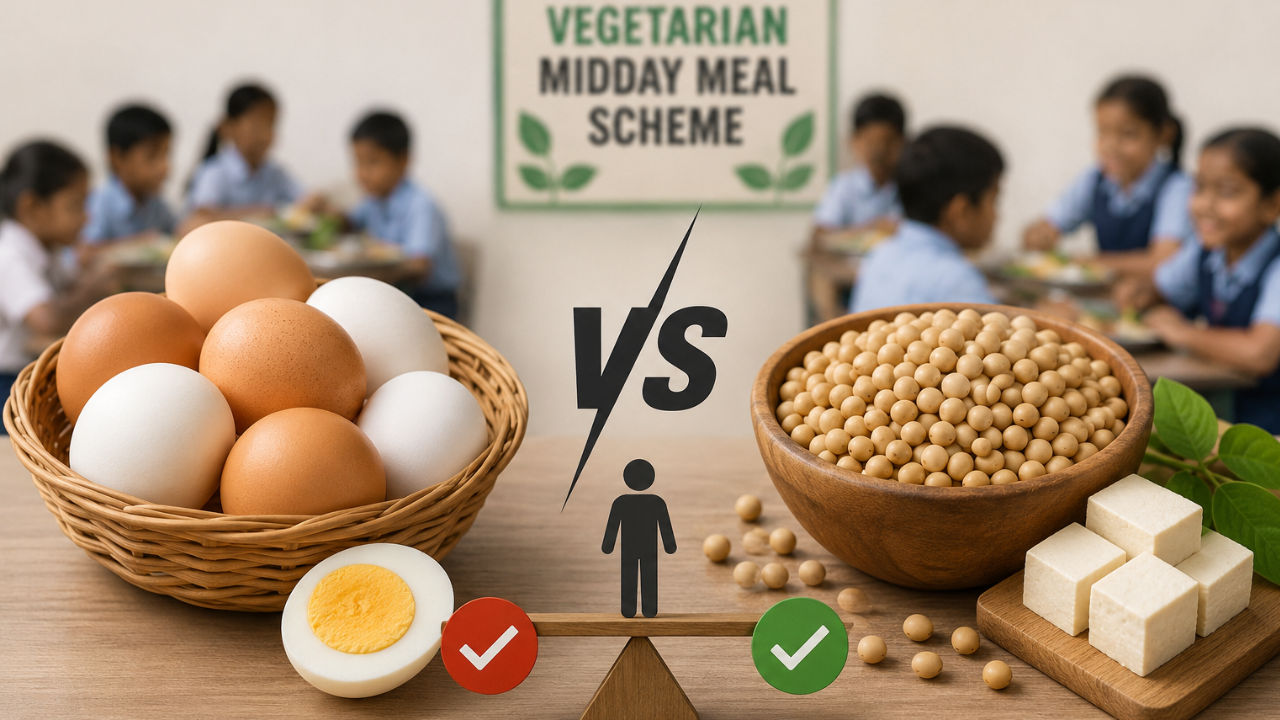
The West Bengal government’s recent move to substitute eggs with soybean, paneer, and other vegetarian sources in Kolkata’s midday meal scheme has been met with mixed responses. Amid concern for protein deficiency in children, we took a deeper look into the eggs vs soybean debate. Eggs Vs Soya: Which Is Better? After the International Society for Krishna Consciousness (ISKCON) took over midday meal duties in Kolkata, it switched to an all-vegetarian diet that entailed removing eggs. The move sparked a debate about the efficacy of vegetarian sources of protein, especially plant-based ones like soybean. Experts believe that it's not a matter of one food vs the other but understanding the distinct nutritional benefits of each. HealthandMe spoke to Dr. Aaryin Memon, Clinical Nutritionist, Bhailal General Amin Hospital, Vadodara, about the impact of relying on soybean for protein instead of eggs. Dr Memon says that protein is one of the key nutrients during childhood and plays a role in the growth, development of muscles, immunity, and brain function. She says that eggs and soybeans are both good sources of protein, but they have different nutritional profiles and impact on the body. As we have always been told that eggs are the gold standard when it comes to protein for the following reasons: Eggs contain all nine essential amino acids in highly available forms. Eggs are packed with vitamin B12 and vitamin D. Eggs also contain choline, selenium, and healthy fats. Read more: Frequent Headaches: When To See A Doctor And Warning Signs To Watch ForAdditionally, eggs are important for growing children as they contribute significantly in all-round development. The expert says, “They contain a great amount of choline, which is essential for brain development, memory, and learning.” When it comes to vegetarian sources of protein that match the nutritional value of eggs, soybeans are one of the top on the list. It is an excellent source of protein, dietary fibre, iron, calcium, magnesium, and beneficial plant compounds including isoflavones. Soya can also help satisfy children's nutritional requirements and is a recommended vegetarian source of protein, according to nutritionists. It is also inexpensive, readily available, and appropriate for egg-free children's diets due to dietary, religious, or cultural preferences. But the nutritionist points out that there are differences in their nutritional profiles. Dr Memon says, “Soybean is a good source of protein, but plant protein is less bioavailable than animal protein. Certain nutrients like vitamin B12 are not found in plant-based protein sources. Additionally, the iron found in soya does not get absorbed in the body as well as iron from animals.” Soybeans’ comparatively weaker nutritional profile is the reason why vegetarians have to rely on a diverse range of high protein foods like pulses, dairy products, legumes, nuts and seeds, as well as foods rich in vitamin C to support iron absorption, like fruit and vegetables. This brings us to the conclusion that school meal programmes should embrace an 'either-or' option and include eggs and well-planned vegetarian options where possible. This enables children to have the right kind of nutrition and takes into account differences in their diets.