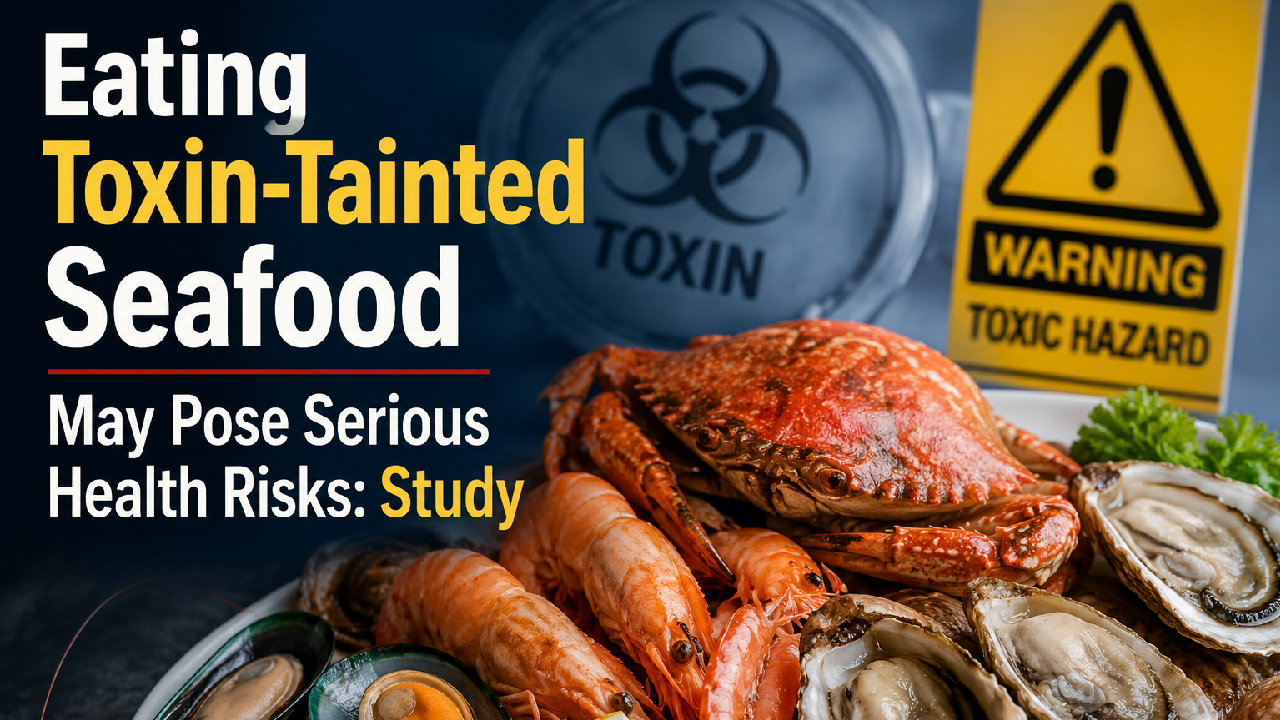
From the United States to India, the problem of food-borne diseases is constantly on the rise. The Morbidity and Mortality Weekly Report found that 402 US foodborne disease outbreaks were caused by marine toxins in fish and shellfish over the last 23 years, and the researchers also revealed that foodborne diseases caused 1,280 illnesses, 96 hospitalizations, and one death.The research team from the Centers for Disease Control and Prevention (CDC) and the Oak Ridge Institute for Science and Education parsed data from the CDC’s Foodborne Disease Outbreak Surveillance System (FDOSS) from 2011 to 2023. The data have been provided voluntarily by the local state and health authorities to FDOSS through the CDC’s National Outbreak Reporting System since 2009. Improper storage of fish at uncontrolled temperatures can lead to the formation of histamine, a compound that may trigger allergic reactions in people. It can also promote the production of scombroid toxins by bacteria that contain the highly active enzyme histidine carboxylase. In addition, other marine toxins may originate from algae and accumulate in fish and shellfish through the food chain, occur naturally in certain fish species, or arise from as-yet unidentified sources.The authors of the study said that marine toxins cause most of the noninfectious outbreaks reported to FDOSS each year. They also wrote, “Marine toxins that cause foodborne illness are tasteless, odorless, resistant to cooking or freezing, and can produce a complex variety of gastrointestinal, neurologic, and neuropsychologic symptoms.” Then added, “Among persons with severe illness resulting from ingestion of marine toxins, cardiovascular and respiratory manifestations can result in hospitalization and death.” FSSAI Introduces Stricter Quality Checks For SeafoodThe contamination through seafood has also compelled the Food Safety and Standards Authority of India (FSSAI) to bring forth a stricter quality check for them. Recently, India’s food regulator has introduced new safety standards across a wide range of foods, and one of them was seafood, such as prawns. The draft regulations by the Food Safety and Standards Authority of India (FSSAI) cover heavy metals, toxins, antibiotic residues, and quality standards for both commonly used foods and emerging edible products, the Times of India reported. The new regulations are expected to come into force on December 1.Also Read: UK Met Office Warns of 'Pollen Bomb': What Hay Fever Patients Need to KnowNotably, the FSSAI's new safety standards will also apply to a wide range of foods, such as besan or gram flour, edible and cold-pressed seed oils. In a separate draft notification, the FSSAI proposed quality and safety standards for lesser-used edible oils made from chilli, tomato, muskmelon, and okra seeds as demand rises for cold-pressed oils, seed-based snacks, and plant-based nutrition products.The draft rules also cover edible seeds such as watermelon, cucumber, pumpkin, sunflower, sesame, and flaxseed sold in raw, roasted, or salted forms, requiring them to be clean and free from insects, fungus, and visible contamination before sale.