
- Health Conditions A-Z
- Health & Wellness
- Nutrition
- Fitness
- Health News
- Ayurveda
- Videos
- Medicine A-Z
- Parenting
Flax Seeds vs Pumpkin Seeds: Which One Offers More Health Benefits?
Credits: Canva
Seeds are one of the easiest foods to snack on. They are portable, crunchy, and packed with nutrients. But with so many options available, choosing the right one can feel confusing.
If you are deciding between two popular choices, flaxseeds and pumpkin seeds, it helps to know that they differ quite a bit in terms of protein, fiber, and overall health benefits.
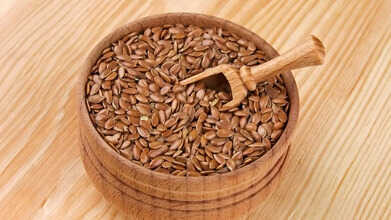
Flaxseeds are small, with a mild, slightly nutty flavour, as explained earlier by Natalie Rizzo, a registered dietitian and nutrition editor at TODAY. Pumpkin seeds, on the other hand, have been ranked by Rizzo as one of the healthiest seeds you can eat, mainly because they are rich in essential minerals such as zinc, magnesium, and iron. Both seeds are nutritious, but each shines in its own way. Here is a closer look at how they compare.
How Nutritious Are Flaxseeds?
In a two-tablespoon serving of flaxseeds, you get approximately:
- 110 calories
- 4 grams of protein
- 6 grams of carbohydrates
- 6 grams of fiber
- 9 grams of fat
Pumpkin Seeds Nutrition
A one-ounce serving of roasted pumpkin seeds contains around:
- 163 calories
- 8.5 grams of protein
- 14 grams of fat
- 4 grams of carbohydrates
- 2 grams of fiber
Flax Seeds vs Pumpkin Seeds: Protein Intake
Protein plays a key role in building and maintaining muscle strength. Nutrition experts generally suggest aiming for about 20 to 40 grams of protein per meal, along with some protein-rich snacks during the day.
While both seeds offer protein, pumpkin seeds clearly come out ahead. A serving of pumpkin seeds contains more than double the protein found in a serving of flaxseeds. In fact, pumpkin seeds are among the most protein-rich seeds available, alongside sunflower and hemp seeds.
One serving of pumpkin seeds provides about 8.5 grams of protein, which is more than what you get from an egg. Flaxseeds, by comparison, offer around 4 grams per serving. If boosting protein intake is your priority, pumpkin seeds are the better option.
Flax Seeds vs Pumpkin Seeds: Fiber Intake
Fiber is best known for supporting digestion, but it also helps regulate cholesterol levels and manage blood sugar. Despite its importance, many people struggle to get enough fiber in their daily diet.
Most adults should aim for at least 25 grams of fiber a day, which can come from foods like vegetables, fruits, legumes, nuts, and seeds.
When it comes to fiber, flaxseeds have a clear advantage. Pumpkin seeds provide about 2 grams of fiber per serving, while flaxseeds deliver a much higher 6 grams per serving.
Flax Seeds vs Pumpkin Seeds: Fat Intake
Fat often gets a bad reputation, but not all fats are harmful. Healthy fats help you feel full and support heart and brain health.
Both flaxseeds and pumpkin seeds contain beneficial fats, mainly in the form of fatty acids. A serving of flaxseeds provides about 9 grams of fat, while pumpkin seeds contain around 14 grams. Both can be considered excellent plant-based sources of healthy fats that support overall well-being.
Flax Seeds vs Pumpkin Seeds: Other Nutrients
Beyond protein, fiber, and fat, both seeds contain additional compounds that support health.
Flaxseeds are especially known for their heart-protective properties. They are rich in omega-3 fatty acids and lignans, which are anti-inflammatory compounds linked to improved cholesterol levels and better blood pressure control.
Rizzo has also noted that the anti-inflammatory effects of flaxseeds, largely due to lignans, have been associated with reduced tumour growth in animal studies. Pumpkin seeds, meanwhile, stand out for their high levels of magnesium and zinc.
Flaxseeds provide about 20 percent of the daily recommended intake of magnesium, while pumpkin seeds offer an even higher amount, around 37 percent. Magnesium supports metabolism, nerve function, bone strength, and heart health, and it has also gained attention for its role in improving sleep. Zinc is equally important, as it helps strengthen the immune system and supports proper wound healing.
Pumpkin seeds also contain vitamin E, along with iron and calcium, according to registered dietitian and TODAY contributor Kristin Kirkpatrick.
Should You Eat Flaxseeds or Pumpkin Seeds?
Both flaxseeds and pumpkin seeds are nutritious, crunchy, and easy to add to meals. Whichever you choose, you will benefit from plant-based protein, gut-friendly fiber, and heart-healthy fats. Neither seed is strictly better than the other. The best choice depends on your personal health goals and how you plan to use them.
If increasing protein intake is your main aim, pumpkin seeds are the stronger option. They also work well as pumpkin seed protein powder in smoothies, which is suitable for people avoiding dairy or nuts, as previously noted by TODAY.com.
If you are focused on improving fiber intake, flaxseeds are the better pick. They can be sprinkled over yogurt, added to salads, mixed into granola, or used in baking. When ground into a meal or powder, flaxseeds can help thicken dishes like veggie burgers. When mixed with water, they form a gel that can even replace eggs in some recipes.
Because whole flaxseeds may pass through the digestive system without fully breaking down, ground flaxseeds are often recommended to help your body absorb more nutrients.
In the end, both flaxseeds and pumpkin seeds are healthy additions to your diet and can easily boost the nutritional value of your meals.
Just 2 Days Of This Meal Can Cut Your Bad Cholesterol By 10%
(Credit - Canva)
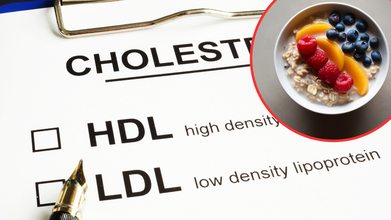
It turns out that a "boring" bowl of oatmeal might be a secret weapon for heart health. A recent study from the University of Bonn, published in Nature Communications, suggests that eating a diet focused almost entirely on oatmeal for just 48 hours can significantly lower cholesterol.
The study looked at people with metabolic syndrome, a group of health issues like high blood pressure, high blood sugar, and extra body weight that increase the risk of heart disease and diabetes.
Using oats as medicine isn't actually a new idea. Back in the early 1900s, a German doctor named Carl von Noorden used "oat cures" to help people with diabetes. While modern medications eventually took center stage, researchers wanted to see if this old-school method still held value for preventing disease today.
Can Oats Help Control Bad Cholesterol?
To test the theory, 32 men and women followed a strict plan for two days. Here is how it worked:
- They ate 300 grams of boiled oatmeal per day, split into three meals.
- They could only add very small amounts of fruits or vegetables.
- They cut their usual daily calories roughly in half.
A second "control group" also cut their calories by half but didn't eat oats. While both groups saw some health improvements from eating less, the oatmeal group saw much better results. Not only did their LDL drop by 10%, but they also lost about 2 kilos on average. The study notes that that they also showed a slight improvement.
Even more surprising? The lower cholesterol levels were still visible six weeks later, suggesting that a short "oat reboot" every month or so could have lasting benefits.
Why Is It Important To Lower Cholesterol Levels?
Proteins carry cholesterol through your blood as "lipoproteins." HDL is "good" because it clears extra cholesterol by sending it to your liver for removal. Non-HDL (mostly LDL) is "bad" because it delivers cholesterol to your body; too much causes fatty buildup in your arteries, which blocks blood flow and significantly increases your risk of heart attacks or strokes.
Lowering high cholesterol is vital because it directly protects your heart and brain. When "bad" cholesterol levels are too high, sticky deposits called plaques narrow your arteries
How Do Oats Lower Bad Cholesterol Levels?
The researchers believe the answer lies in our gut microbiome (the bacteria living in our digestive system).
When we eat oats, certain "good" bacteria thrive. These microbes break down the oats into substances like ferulic acid, which travels into the bloodstream and helps the body process cholesterol more effectively.
These bacteria also help prevent the body from creating compounds that lead to insulin resistance, a major cause of diabetes.
The study also found that "a little bit" of oatmeal might not be enough for a major impact. In a separate part of the study, people ate 80 grams of oatmeal a day for six weeks without changing the rest of their diet. This approach only led to small changes.
It seems the combination of high oat intake and temporary calorie restriction is the "magic formula" that triggers the most significant health improvements.
37 Notices, 206 Samples Tested, Substandard Oil Worth Rs 6.43 Crore Seized Across UP Ahead Of Holi

Credits: FSSAI and Canva
Ahead of Holi and Eid, and during Ramadan, when demand of cooking oil spikes for meal preparation, every year, substandard quality items hit the market. This year too this happened and to curb this practice, the Uttar Pradesh Food Safety and Drug Administration (UPFSDA) issued 37 notices for non compliance to sellers selling substandard oil. The Food Safety Department also seized oil worth Rs. 6.43 crore.
The UPFSDA inspected 64 manufacturing units across Uttar Pradesh and seized 4,16,494 litres of suspicious edible oil.
What Is Substandard Oil?
Substandard cooking oil refers to edible oils that are adulterated, improperly refined, reused, or of low quality, often containing harmful compounds due to poor manufacturing, such as high-heat processing or chemical contamination. FSSAI reports have indicated that up to 30.7% of edible oils in some markets are of poor quality or adulterated.
As per a 2024 study published in the International Journal of Biochemistry and Molecular Biology, common oil sources shows that most edible oils are extracted from seeds, while certain fruits such as olives, coconuts, and palm fruits are also used to produce oil. However, adulteration remains a major concern. Oils like Argemone oil, mineral oil, castor oil, karanja oil, olive oil, cottonseed oil, and paraffin oil are often blended with edible oils and ghee. Some adulterated products may even contain toxic substances such as cyanide and banned colouring agents.
Mustard oil and soybean oil are particularly vulnerable to adulteration through the deliberate addition of substances such as cyanide, mineral oil, karanja oil, Argemone oil, and linseed oil—practices that pose serious risks to consumer health and safety. Similarly, sesame oil is frequently mixed with other oils including avocado, olive, canola, walnut, peanut, and perilla oils.
Argemone oil, in particular, is derived from the seeds of the Argemone mexicana plant and is commonly mixed with mustard oil. Its seeds are spherical, blackish-brown, and have a net-like surface, closely resembling mustard seeds, which makes detection more difficult.
What Happens When You Consume Adulterated Edible Oils?
Adulteration, in general, makes edible oils and ghee unsafe for consumption and significantly reduces their nutritional value. According to the Indian Council of Medical Research, many adulterants can cause permanent organ damage. History offers stark warnings: in Spain, the sale of non-edible rapeseed oil falsely marketed as olive oil led to more than 600 deaths in what became known as the Spanish toxic oil syndrome.
Argemone-contaminated oils have triggered major outbreaks in several countries, including a severe epidemic dropsy crisis in New Delhi in 1998. Reported symptoms included retinal haemorrhages, anaemia, kidney dysfunction, and severe protein deficiency. Some adulterated oils may also contain carcinogenic substances such as polycyclic aromatic hydrocarbons (PAHs), increasing long-term cancer risk.
Other adulterants pose additional dangers. Castor oil contamination can cause severe gastrointestinal distress. Mineral oil adulteration is linked to liver toxicity and cancer risk. Cottonseed oil, when improperly blended, increases exposure to high levels of polyunsaturated fats, potentially contributing to obesity, diabetes, and other lifestyle-related diseases. In some alarming cases, soybean and mustard oils have been found adulterated with burnt mobil oil containing polychlorinated biphenyls (PCBs), toxic chemicals associated with liver damage, neurological changes, dehydration, respiratory irritation, and systemic organ harm.
Adulteration can also trigger allergic reactions. If peanut oil is used as an undeclared adulterant, it may cause severe allergic responses in susceptible individuals.
The most concerning aspect is that loose or unpackaged edible oils are more prone to contamination and adulteration. What may appear to be a simple cost-cutting practice can, in reality, expose consumers to life-threatening toxins, chronic disease risks, and irreversible organ damage.
Blueberry-Rich Diet Linked to Higher Happiness Levels, Here's Why

(Credit : Pinterest)
In a world where stress, anxiety and declining mental well-being are becoming increasingly common, many people are looking for simple lifestyle habits that can promote positive mood and psychological resilience.
New research suggests that eating around three servings of flavonoid-rich foods everyday, especially fruits such as blueberries, strawberries, apples and citrus fruits, may be linked with higher levels of happiness and optimism over time.
A large-scale observational study utilized data from the US Nurses Health Study 2026, one of the largest and longest running health studies focused on women. Scientists at Queens University Belfast and Harvard T.H. Chan School of Public Health analyzed the eating habits and mental health of tens of thousands of women aged 60 and over for a period of up to 18 years.
Participants who consumed about three servings per day of flavonoid-rich foods were found to be three percent more likely to maintain sustained happiness over time and about six percent more likely to maintain long-term optimism
According to the authors, greater consumption of particular fruits such as blueberries and strawberries in some instances correlated with an 8-16 percent higher probability of being psychologically well over time.
Although the percentage increments may seem minor, the team of researchers point out that tiny effects at the population level can have a significant impact, particularly when the observation period is as long as almost twenty years.
The results were additionally featured in a press release of the International Blueberry Organization, which stressed the public health impact of regularly eating flavonoid-rich fruits.
Why Are Flavonoids Important?
Flavonoids are plant compounds that occur naturally in plants. They can be found in a variety of colorful fruits and vegetables as well as in some beverages, including:- Berries (blueberries, strawberries)
- Apples and pears
- Citrus fruits (oranges, grapefruit)
- Tea and red wine
How Does Diet Affect Happiness?
Researchers propose several biological explanations that might explain this phenomenon:1. Reduced Inflammation: Chronic low-grade inflammation has been associated with depressive symptoms. Flavonoids may help dampen inflammatory pathways in the body.
2. Antioxidant Protection: One of the most dangerous byproducts of metabolism is oxidative stress and the damage it causes to our cells, including neurons involved in emotional regulation. Flavonoids are effective in the neutralization of free radicals.
3. Improved Vascular Function: Better blood vessel function may enhance cerebral blood flow, supporting optimal brain performance.
Surprisingly, the researchers also retained that an individual with higher levels of optimism was more likely to maintain healthy diets over time, hence, the possibility of a "virtuous cycle" mood and nutrition may reinforce one another.
A Simple, Actionable Takeaway
Incorporating three daily servings of flavonoid-rich foods could look like:- Blueberries with breakfast
- An apple as an afternoon snack
- Citrus slices in a salad
- A cup of tea in the evening
While research keeps delving into the complex connection between diet and mental health, the takeaway message that emerges is: our diet not only supplies energy to our bodies but it also influences the quality of our mood and outlook on life.
- Follow Us :


© 2024 Bennett, Coleman & Company Limited