
- Health Conditions A-Z
- Health & Wellness
- Nutrition
- Fitness
- Health News
- Ayurveda
- Videos
- Medicine A-Z
- Parenting
Is Cutting Out Sugar Completely Good For Your Health? Dietitian Explains
Credits: Canva
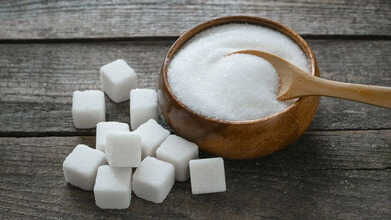
Sugar often carries a negative image, but from a nutrition point of view, it is important to separate excess intake from complete avoidance. The human body relies on glucose, a basic form of sugar, as one of its primary energy sources. Muscles, the brain and red blood cells all need a steady supply of glucose to function properly. While the body does not require added or refined sugar, it does need carbohydrates that can be converted into glucose to support metabolism, brain activity and physical movement.
Complex carbohydrates such as whole grains, fruits, vegetables and legumes meet these needs well, as they provide long-lasting energy along with essential nutrients. To understand this balance better, we spoke to Komal Malik, Head Dietician at Asian Hospital, Faridabad, who shared why cutting out sugar entirely may not be the healthiest choice.
Natural Sugar Versus Refined Sugar
Not all sugars act the same way in the body. Natural sugars found in fruits, vegetables and dairy come packaged with fibre, vitamins, minerals and antioxidants. As Komal Malik explains, this natural combination slows digestion and absorption, helps keep blood sugar levels stable and promotes a feeling of fullness.
On the other hand, refined or added sugars are commonly found in sweets, baked items, sugary drinks and processed foods. These sugars are absorbed rapidly, offering quick calories with little nutritional benefit. Komal said, “Regular high intake of refined sugar has been linked to metabolic imbalance, weight gain, insulin resistance and a higher risk of chronic conditions such as type 2 diabetes and heart disease.”
Is Complete Sugar Avoidance Necessary?
Eliminating all forms of sugar, including naturally occurring sugars, is neither required nor advisable for most people. Very restrictive diets that severely cut carbohydrates or sugar can lead to low energy levels, headaches, irritability, poor focus and reduced physical performance.
Komal Malik points out that since glucose plays a key role in brain function, drastically limiting it may affect mental sharpness and mood. Although the body can adapt to alternative energy sources in specific situations, for the general population, long-term health does not depend on strict and total sugar avoidance.
Cutting Out Sugar: Risks Of Extreme Restriction
Beyond physical effects, extreme restriction of sugar can also affect mental and emotional wellbeing. Labeling certain foods as completely forbidden often increases cravings and raises the risk of overeating or binge episodes. This cycle of restriction followed by indulgence can disrupt eating patterns and foster an unhealthy relationship with food. As Komal Malik notes, in clinical nutrition, sustainability matters most. Diet plans that are too rigid are rarely followed in the long run and often do more harm than good.
What Is A Balanced And Sustainable Approach With Sugar Intake?
Moderation, rather than elimination, remains the most practical path to good health. Reducing intake of refined and added sugars while continuing to include natural sugars from whole foods supports steady blood sugar levels and overall nutritional balance. Emphasis should be placed on adequate fibre, sufficient protein and healthy fats, which help control appetite and prevent sharp spikes in glucose. With mindful choices and balance, sugar can be part of a healthy diet without the need to cut it out completely.
Experts Say Oat Milk Might Not Be The Best Morning Choice; Here’s Why
Credits: Canva
Health specialists have cautioned that a widely used dairy milk alternative may come with downsides many people are unaware of, especially when consumed first thing in the morning, according to Mirror. Oat milk, a popular plant-based and dairy-free option, is often praised for its fibre content and for being fortified with calcium and vitamin D, both important for bone health. However, dietitians point out that compared to other plant-based milks such as almond milk, oat milk tends to contain higher amounts of carbohydrates, added sugars and oils.
What Is Oat Milk Made Out Of?
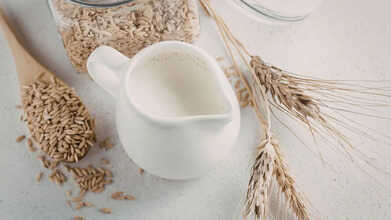
Oat milk is a dairy-free, plant-based drink that is commonly valued for its fibre content and added calcium and vitamin D, which support bone strength. That said, health experts note that it generally contains more carbohydrates, sugars and oils than many other plant milks, including almond milk.
Registered nutritionist Jenna Hope explains that oat milk is usually produced by creating a syrup from oats, which is then mixed with water. She adds that many well-known oat milk brands also include added oils, emulsifiers and stabilisers to improve texture and shelf life.
Why Is Oat Milk Bad For Your Health?
Experts say certain aspects of oat milk may negatively affect health, particularly when consumed on its own. Speaking to Parade, registered dietitian Melissa Rifkin said that while oat milk lattes can fit into a healthy diet, they are not nutritionally complete by themselves. She noted that although oat milk offers some fibre, most oat milk lattes are low in protein and fat, two nutrients that help regulate blood sugar levels and promote fullness.
Sharing a similar view, registered dietitian Nour Zibdeh told The Independent that oat milk’s high carbohydrate content can lead to sharp rises in blood sugar when consumed in the morning. This effect is less pronounced with dairy milk, which naturally contains protein and fat that help balance its sugar content.
Ms Zibdeh also told Parade that oat milk is low in protein and fat, which contributes to greater blood sugar spikes. French biochemist and author Jessie Inchauspé, widely known as the “Glucose Goddess”, has also criticised oat milk. In a 2024 interview with American entrepreneur Marie Forleo, she described oat milk as similar to drinking “starch juice”, explaining that oats are a grain and grains are primarily made up of starch.
Should You Replace Oat Milk With Cow Milk?
Overall, nutrition experts tend to agree that cow’s milk offers greater nutritional value. Regular dairy milk intake has been linked to better metabolic and heart health, and cow’s milk contains higher levels of key micronutrients such as phosphorus, which supports healthy bones and teeth, along with calcium, vitamin D, B vitamins and potassium, compared to oat milk.
That said, cow’s milk is not suitable for everyone. Allergies, taste preferences and vegan diets mean many people rely on plant-based alternatives. If oat milk is your preference, there is no need to panic. Experts stress that moderation is key and that oat milk can still be enjoyed as part of a balanced diet.
Choosing oat milk does not mean it needs to be completely removed from your routine. There are simple ways to enjoy it while being mindful of expert advice. For those who love an oat milk latte, pairing it with protein-rich foods such as eggs or Greek yoghurt can help balance blood sugar levels and make the meal more satisfying.
Have You Also Noticed Suddenly Becoming Lactose Intolerant? Nutritionist Explains Why

Credits: iStock
Have you been drinking milk all your life and suddenly your gut cannot tolerate it? Are you also finding out that you are suddenly lactose intolerant, and trying to find the reason? Nutritionist Sonia Narang might have the answer.
In a podcast with Raj Shamani, Narang decodes Indian diet and its benefits and risks, if not consumed correctly. This is when Raj Shamani throws the question of lactose intolerance, especially when someone like him has been drinking milk since childhood and can no longer tolerate it.
Also Read: Fact Check: Is Weight Lifting Safe for Teens? An Expert Explains the Risks and Safer Alternatives
What Does The Expert Say About Sudden Lactose Intolerance?
Narang first explains what lactose is and how it works in one's body. She starts with explaining lactase, which is a sugar found in milk, and digested by lactase, an enzyme found in small intestine.
She then explains that in small intestine, there are brush like formations, called villi, which further have smaller brush called microvilli. This is where lactase is made. This is what helps the breakdown of lactose.
However, she explains, overtime, whether due to age, or infection, lifestyle, bad food choices, the ability of microvilli to produce lactase decreases. She points out that as kids, the production of lactase is enough, due to less exposure to bad food choices.
Can You Reverse Lactose Intolerance?
Lactose intolerance is not an allergy. There are ways to manage or improve lactose intolerance. Narang says that the first step is to eliminate milk completely, and then start with having curd as alternative. "While curd is a dairy product, it already has bacteria that makes it pre-digested," she points out.
She also recommends to slowly introduce milk, "just two spoons between the meals". Since milk is consumed with food, it will digest slowly and by the time it reaches the intestine, small intestine will get the time to produce enough amounts of lactase to digest two spoons of milk, she points out.
Read: 5 Cow’s Milk Substitutes—And What To Look For Before You Buy
What Is Lactose Intolerance?
As per the NHS, UK, lactose intolerance is when you get symptoms like stomach ache after eating food containing lactose, a sugar found in dairy products.
What Are The Common Symptoms Of Lactose Intolerance?
- tummy pain or discomfort
- bloating
- farting
- tummy rumbling
- diarrhea or constipation
- feeling sick or being sick
What Foods Contain Lactose?
Dairy products include:
- milk
- butter
- cheese
- cream
- yoghurt
- ice cream
Many processed foods can also contain lactose, including:
- cereals
- baked foods like bread, crackers, cakes, biscuits, and pastry
- sauces and salad dressings
- diet and protein shakes
Note: Health and Me does not promote any changes to be made in your diet. Always consult your nutritionist or dietitian and your doctor before changing your diet. This piece is based on publicly available content.
Superfood Chia Seeds Can Also Be Risky For Some, Know Who They Are
Credits: iStock/Canva
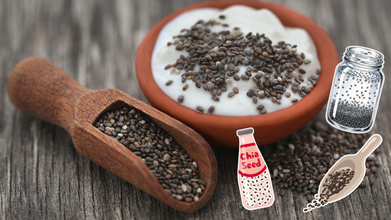
Chia seeds, a superfood as we all know and have a number of benefits, however, if not taken properly, it can increase risks and could worsen your health, says Dr Shubham Vatsya, a gastroenterologist, and hepatologist at Fortis Vasant Kunj. He is known for making health related content on his Instagram page, targeting foods and habits that impact gut health, liver, and more.
In one of the videos which garnered over one million views, he talks about the risk of chia seeds. The video is titled 'Chia Seeds Are Not For Everyone".
What Are The Risks Of Consuming Chia Seeds?
Dr Vatsya points out that if chia seeds are consumed without knowing how your body works and without proper hydration, it could worsen your health.
Talking about who should be more careful before making chia seeds part of their diets? He gives four instances:
People With Low Blood Pressure Should Avoid Chia Seeds
He says many people, especially many women have low blood pressure and they may have included chia seeds in their diet without knowing much about it. Why does this happen? Chia seeds contain quercetin, which is an antioxidant and it could reduce your risk of several health condition, including heart diseases. However, points out Dr Vatsya, it is high in fiber, which could further lower your blood pressure. If you already have a low blood pressure, this could cause you a health risk.
People Who Are On Blood Thinning Medicines Should Avoid Chia Seeds
Doctor says that people who are on blood thinning medicines like aspirin, especially after a heart stent, may be at risk. Why? Because chia seeds can have a blood thinning effect due to its omega-3 fatty acids content. This can increase bleeding risk. So, people on prescription blood thinners or anticoagulants like warfarin or aspirin, must avoid it.
Hydration Is Must
Chia seeds are high in fiber, which is why it is important to maintain enough hydration. What happens if you do not keep yourself hydrated enough?
Chia Seeds Could Upset Your Stomach
While getting enough fiber helps prevent and manage constipation, however, the doctor points out consuming significant amounts of fiber can cause digestive issues like gas, bloating, and abdominal pain, if not hydrated.
Hydration is the key, this is what supports bowel movement regularity and prevent any adverse effects. Furthermore, one should always add fiber to their diet in small amounts and gradually.
Read: Hair Loss In Men: Is It Related To Sweetened Drinks?
Chia Seeds Could Worsen Your Kidney Problem
Lastly, the doctor says that while chia seeds are healthy, but individuals with chronic kidney disease must be careful while consuming.
Chia seeds are rich in potassium and phosphorous. In per 2.5 tablespoon of serving, it contains 115 mg of potassium and 244 mg of phosphorous. Both these nutrients are closely monitored in people with kidney disease. Chia seeds are also high in oxalate, which can attach to calcium to form kidney stones. This is why it is important to maintain your hydration while consuming chia seeds.
Note: This is a user-generated content via Dr. Shubham Vatsya. Health and Me does not take responsibility of the content. Always consult a registered nutritionist or dietitian and your doctor before making changes to your diet.
- Follow Us :


© 2024 Bennett, Coleman & Company Limited