
- Health Conditions A-Z
- Health & Wellness
- Nutrition
- Fitness
- Health News
- Ayurveda
- Videos
- Medicine A-Z
- Parenting
Over 70% Baby Foods In US Contain High Salt, Sugar And Additives
Credits: Canva
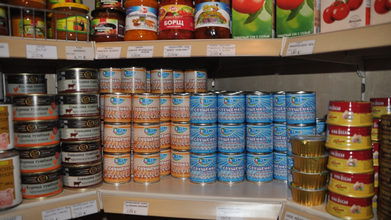
More than 70 percent of infant and toddler food products, including drinks and snacks, sold in the United States are ultra-processed and also contain additives that are associated with several health problems, according to a new study.
The study comes as the Donald Trump-led US government recently released updated dietary guidelines for Americans. For the first time, the recommendations urge citizens to avoid highly processed foods and also suggest limiting added sugars and refined carbohydrates.
The February 2026 study published in the peer-reviewed journal Nutrients analyzed 651 food products sold by the top 10 largest US grocery stores for children aged 6 months to 36 months.
The results showed that a whopping 71 percent of products were ultra-processed foods (UPFs) -- containing higher mean levels of total sugar, added sugar, sodium, and energy density than non-UPF products.
The food products also contained significantly harmful additives. Flavor enhancers (36 percent) were the most common additive, followed by thickeners (29 percent), emulsifiers (19 percent), and colors (19 percent).
The study showed that all snack-size packaged products (94 percent) were ultra-processed, followed by full-size packages (86 percent) and pouches (73 percent).
"We’re seeing a growing body of evidence that certain additives may harm health. With emulsifiers, thickeners, and stabilizers potentially altering gut function, and synthetic colors affecting behavioral outcomes in children, the high use of cosmetic additives found in US baby foods is particularly concerning,” said Dr. Elizabeth Dunford, Adjunct Assistant Professor, Department of Nutrition at the University of North Carolina at Chapel Hill, US.
Notably, the sugar content was greatest for snack and finger foods, with the amount of sugar and added sugars twice that of their non-UPF counterparts. Similarly, the sodium content was also consistently higher among UPFs than non-UPFs.
Almost all snack-size packaged products (94 percent) were ultra-processed, followed by full-size packages (86 percent) and pouches (73 percent).
The researchers called for improving labeling and regulatory standards for identifying UPF ingredients and additives to ensure the availability of appropriate and healthy products targeting the youngest consumers.
Why UPFs Are Harmful
In recent years, there has been a huge increase in the availability and variety of commercial complementary foods on the market in the US, as well as in India.
Research has shown a corresponding increase in several noncommunicable diseases.
Studies have established health risks of regular consumption of UPFs for adults and young children, including type 2 diabetes, obesity, hypertension, and heart disease. In adults, UPF consumption is also linked with irritable bowel syndrome, depression, and premature death.
UPF And Rising NCD Burden In India
India is facing a significant rise in non-communicable diseases (NCDs) such as type 2 diabetes, obesity, hypertension, cancers, chronic respiratory diseases, and heart disease, among others.
The Economic Survey, recently tabled in the Parliament by Union Finance Minister Nirmala Sitharaman, flagged the concerning trend, which it attributed to unhealthy diets, lifestyle changes, including sedentary lifestyles, increased consumption of ultra-processed foods (UPFs), and environmental factors.
“India is one of the fastest-growing markets for UPF sales. It grew by more than 150 per cent from 2009 to 2023. Retail sales of UPFs in India surged from $0.9 billion in 2006 to nearly $38 billion in 2019, a 40-fold rise. It is during the same period that obesity has nearly doubled in both men and women,” it said.
“The rising use of UPFs imposes a substantial economic cost through higher healthcare spending, lost productivity, and long-term fiscal strain,” it added.
FSSAI Tightens Food Safety Norms, Mandates Food-Grade Knives, Cutting Tools
Credit: iStock
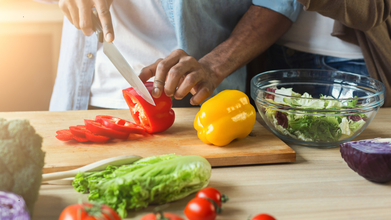
In a bid to strengthen food hygiene and safety standards, the Food Safety and Standards Authority of India (FSSAI) has directed Food Business Operators (FBOs) across the country to ensure that only food-grade, corrosion-resistant knives, blades, and cutting equipment are used in food handling and processing operations.
The directive, issued under Schedule 4 of the Food Safety and Standards (Licensing and Registration of Food Businesses) Regulations, 2011, also requires FBOs to maintain all cutting equipment in a sound and hygienic condition. In addition, the food regulator has asked State Food Safety Commissioners and Regional Directors to maintain strict vigilance and ensure compliance during inspections.
FSSAI Flags Use of Unsafe Cutting Equipment
"Schedule 4 of the aforesaid Regulations requires that equipment, utensils and food-contact surfaces used in food handling, preparation, processing, packaging and storage shall be made of food-grade, non-toxic, corrosion-resistant materials and shall be maintained in a hygienic condition so as to prevent contamination of food," FSSAI said in its advisory.
The regulations further require that such equipment and utensils be adequately cleaned and disinfected at appropriate intervals to prevent food contamination.
According to FSSAI, it has come to the regulator's notice that certain food businesses are using rusted, corroded, chipped, painted, damaged, or otherwise unsuitable knives, blades, and cutting equipment during food handling, preparation, processing, cutting, slicing, and packaging operations.
The food regulator noted that the use of rusted, corroded, chipped, painted, damaged, inadequately cleaned, or non-food-grade cutting tools can result in physical, chemical, and microbiological contamination of food.
Also read: FSSAI Introduces Stricter Quality Checks For Besan, Seafood, And Edible Oils: What You Should Know
What Did The FSSAI Advisory Recommend?
FSSAI has directed all Food Business Operators to ensure strict compliance with the following measures:
- Only food-grade, corrosion-resistant knives, blades, and cutting equipment should be used in food handling and processing operations.
- Knives, blades, and cutting equipment must be maintained in a sound and hygienic condition and be free from rust, corrosion, chipping, paint, cracks, breakage, or any other defect that may contaminate food.
- Rusted, corroded, chipped, damaged, or otherwise unsuitable cutting equipment must be immediately removed from use and replaced.
- Adequate cleaning, sanitization, and sterilization procedures, wherever applicable, must be followed at prescribed intervals.
FSSAI warned that any non-compliance observed will attract action under the Food Safety and Standards Act, 2006, and regulations made thereunder.
Unsafe Food A Major Public Health Concern
Read More: Your Kidneys Could Be Silently At Risk From Work Stress And Unhealthy Habits, Experts Warn
Unsafe food continues to pose a significant global health challenge. According to a recent World Health Organization (WHO) report, unsafe food causes approximately 866 million illnesses and 1.5 million deaths worldwide every year.
Children under five years of age bear a disproportionate burden, accounting for 29 per cent of the health impact linked to unsafe food. In 2021 alone, unsafe food was associated with an estimated 143,000 deaths among children in this age group.
The WHO also warned that exposure to chemical hazards in food, including methylmercury and lead, can damage the developing brain and result in lifelong neurological and developmental problems in children.
Introducing Eggs Before Age One May Lower Allergy Risk by 17%: Study

Credit: iStock
Eggs are a great source of protein. At the same time, they are one of the most common foods that cause allergies in children.
A new study conducted in Australia showed that introducing eggs to children before the age of one may reduce the risk of allergy by 17 per cent. The findings were published in the journal JAMA Pediatrics.
Jennifer Koplin, Associate Professor at the Child Health Research Centre at The University of Queensland, said: “Australia has one of the highest rates of food allergy in the world, with one in 10 infants allergic to one or more foods".
To curb the allergy rates, the Australian infant feeding guidelines, issued by the Australasian Society of Clinical Immunology and Allergy in 2016, revolutionized allergy prevention by advising parents to introduce well-cooked egg and smooth peanut butter soon after starting solid foods, generally around six months of age.
The research, led by a team from UQ and the Murdoch Children's Research Institute, examined 7,200 children in two Australian population-based studies to assess whether egg allergy rates had declined since the introduction of the guidelines. The risk of allergy decreased by 17 per cent among babies who started eating eggs early.
“Most parents followed the guidelines, and these results provide reassurance that this advice will help reduce the chance of their child developing an egg allergy,” Dr Koplin said.
Also read: I Ate Eggs And Toast For Breakfast Every Day—Here’s How My Body Reacted
Lesser Allergy In Infants With Eczema
According to Associate Professor Rachel Peters of the Murdoch Children's Research Institute, the reduction in egg allergy was more pronounced in babies with eczema, a known risk factor for food allergies. Among these children, egg allergy rates were reduced from 35 per cent to 22 per cent.
“The introduction of the 2016 guidelines was a major change from most advice given in the 1990s and early 2000s, which recommended parents delay giving eggs and other allergenic foods until 1–3 years of age if there was a strong family history of allergy,” Dr Peters said.
Allergenic Foods Before Age One
Other common allergy-causing foods, such as cow's milk, fish, sesame, wheat, and tree nuts, are also recommended to be included in a child's diet before one year of age. Dr Koplin, however, urged for more research into food allergies.
Read More: Eating Almonds Daily Can Prevent Cognitive Decline In Prediabetic Adults
Common Symptoms of Egg Allergy
According to the Mayo Clinic, egg allergy symptoms usually start a few minutes to a few hours after eating eggs or foods containing eggs. While egg allergies can occur as early as infancy, most children outgrow their egg allergy by age 16.
Egg allergy symptoms can include:
- Skin swelling or itchy bumps called hives — the most common egg allergy reaction.
- Stuffy or runny nose and sneezing, also known as allergic rhinitis.
- Digestive symptoms such as cramps, upset stomach and vomiting.
- Asthma symptoms such as coughing, wheezing, chest tightness or shortness of breath.
World Food Safety Day 2026: WHO Debunks 5 Dangerous Food Safety Myths
Credit: AI Generated Image
Food is arguably one of the most important parts of life, as it is essentially the fuel that the body runs on. Food is so important to life that slight complications, changes, or missteps can cause great harm to you. If the food is unsafe, then that can act like poison as well. According to the World Health Organization (WHO), unsafe food causes around 866 million illnesses and 1.5 million deaths every year.
The WHO, in its recent report, reveals that children under 5 years of age experience 29 per cent of the health burden due to unsafe food, with 143,000 deaths in 2021.
WHO Director-General Dr Tedros Adhanom Ghebreyesus said, “Food safety is not an abstract issue – it touches every meal, every family, every day. Unsafe food has always been a major public health concern, but until now, we lacked the bigger picture of its staggering human and economic toll. These new estimates change that.”
Thus, it is crucial to know what to eat, how to eat, and protect yourself from foodborne diseases. And there is a strong connection between unsafe food and food myths; misunderstandings in the kitchen can cost you dearly, so knowing popular food myths from the global health body, WHO, is crucial.
5 Dangerous Food Safety Myths
Can You Tell If Food Is Safe To Eat By Its Look And Smell?
People often think that the smell and appearance of food can help us know its condition, but it's a complete hoax, as the WHO reports that most microorganisms that can make you sick don’t change the look or smell of the food.
Should Raw Poultry Be Washed Before Cooking?
This is arguably one of the popular food-related misconceptions, as in most households, the washing of chicken before cooking is seen as a healthy practice emphasizing making sure that the raw meat has been properly washed and soaked, but the WHO's report proves otherwise. The global body, washing poultry can spread harmful microorganisms to hands, surfaces, utensils, or other food.
Do Organic Fruits And Vegetables Need To Be Washed?
Some think that fruits and vegetables grown organically do not require washing, as they are not cooked with pesticides or chemical fertilizers, and that is a myth. The WHO said all produce, including organic, should be washed with clean water to remove physical contaminants and reduce the risk from any harmful microorganisms or chemicals.
Can Dishcloths Spread Dangerous Bacteria?
Another common habit is to use dishcloths to clean them after washing, and that is a big no from WHO, as dishcloths and sponges can carry and spread dangerous bacteria.
Do I Have To Refrigerate Leftover Food?
Sometimes people do not keep leftover food outside the refrigerator, and that is also a mistake because food can be dangerous to consume if left at room temperature for more than two hours.
- Follow Us :


© 2024 Bennett, Coleman & Company Limited