
- Health Conditions A-Z
- Health & Wellness
- Nutrition
- Fitness
- Health News
- Ayurveda
- Videos
- Medicine A-Z
- Parenting
Rejuvenate Your Body With Holistic Detoxification

Detoxification
In today’s fast-paced world, our bodies are constantly exposed to toxins through food, water, and the environment. This accumulation of toxins can affect our energy, immune system, and overall health. A holistic approach to cleansing and detoxifying the body involves nurturing it through natural foods, conscious eating habits, and mindfulness.
Reverence for Food, Reverence for Earth
When we consume food with reverence and intimacy, we acknowledge the intricate web of life that sustains us. We honour the soil, the sun, the rain, and the farmers who toil to bring sustenance to our tables.
Eat with Awareness, Eat with Gratitude
To truly nourish our bodies, we must eat with awareness and gratitude. Savor each bite, acknowledge the flavours, textures, and aromas, and express thanks for the abundance on our plates. Holistic detoxification is not just about eliminating toxins, but also about reconnecting with nature, nurturing the body, and finding balance in both mind and body. It's a process that involves consuming wholesome foods that cleanse, heal, fortify, and regulate the body.
Four Pillars of Holistic Nourishment
Vegetables Cleanse
Leafy greens, cruciferous vegetables, and root vegetables are nature's detoxifiers. They sweep away toxins, purify our blood, and rejuvenate our cells.
By eating a variety of vegetables, especially in raw or lightly steamed forms, you can promote regular detoxification.
Fruits Heal You
Fruits are nature's medicine. They offer a symphony of vitamins, minerals, and antioxidants that repair, restore, and revitalize our bodies.
Fruits, especially those with high water content like watermelon, oranges, and apples, are excellent for flushing our toxins from the body. Eating fruits in moderation, rather than in excess, allowing the body to heal gently and effectively.
Nuts and Seeds Fortify
Nuts and seeds, such as almonds, chia seeds, and flaxseeds, are nutrient powerhouses. They are packed with essential fatty acids, protein, and fibre, which help in building and fortifying the body's tissues.
Herbs Regulate
Herbs, such as turmeric, ginger, and cilantro, play a crucial role in detoxifying the body. They regulate various bodily functions, from improving digestion to supporting liver health. For example, turmeric is known for its anti-inflammatory properties and its ability to boost liver detoxification. Ginger enhances digestion and helps to break down toxins in the digestive system, while cilantro aids in removing heavy metals from the body.
Power of Moderation
To maintain optimal health, it's essential to adopt a balanced approach to eating. Feasting can lead to sickness, while fasting can lead to weakness. Instead, eat with moderation, listening to your body's needs and honouring its limits.
A holistic cleanse also involves staying hydrated, getting enough rest, and avoiding overindulgence or fasting extremes. The key is balance — eat least, not like a beast, allowing your body to heal, fortify, and regulate naturally. Through this gentle approach, you can cleanse your body, restore vitality, and achieve lasting health.
In conclusion, the holistic way to cleanse and detoxify our bodies involves cultivating reverence for food, eating with awareness and gratitude, and embracing the four pillars of holistic nourishment.
Remember, true health is not just the absence of disease but a state of vibrant aliveness. By embracing the holistic way, we can unlock our full potential and live a life that is truly long-lasting.
Epstein Files Reveal Secret Muffin Recipe: All You Need To Know

Credit: Canva
As the United States Department of Justice continues to release the harrowing Epstein Files that lift the lid on years' worth of horrific crimes by the convicted American child sex offender, serial rapist and human trafficker, eagle eyed readers have noticed a unique breakfast item in the documents.
In a file titled 'J.E.E Operating Manual', experts found a 11-step muffin recipe named 'J.E.E. Muffin Recipe' that the felon insisted should be served to him every morning at 6.30am.
The Epstein files are over six million pages of documents, images and videos detailing the criminal activities of the financier and his social circle of public figures that included politicians and celebrities.
His co-conspirator Ghislaine Maxwell, who is also a convicted child sex trafficker and sometimes referred to as the "Lady of the House" is serving a 20-year prison sentence at a minimum-security prison camp in Texas.
What Is The J.E.E. Muffin Recipe?
To start off, the recipe involves 12 ingredients which are:
- 4 extra large eggs
- 3 cups Dark brown sugar
- 3/4 cup Olive Oil
- 4 cups Digestive Bran
- 5 cups Whole Wheat Flour
- 12/ cup Ground Flax Seed Mixture
- 12/ cup Flax Seeds
- 5 tsp. Baking Soda
- 1/4 tsp. Salt
- 1 cup Raisins
- 4 cups Whole Milk
- 1 tsp. Vanilla Extract
1. In a large bowl combine bran, flour, flax seeds, baking soda and salt
2. Beat eggs and sugar in the bowl of an electric mixer until thick and creamy.
3. Add oil to egg/sugar mixture and mix to combine. Also combine milk and vanilla and set aside.
5. Add flour and milk mixtures to egg/sugar mixture, alternating additions until combined. Do not over beat mixture.
6. Add raisins and stir until incorporated.
7. Pour mixture into an airtight plastic container and store in the refrigerator for 24 hours before using.
8. Grease large muffin tin with Pam Spray.
9. Fill tins to the top with mixture and top with chopped nut/sugar/flax .
10. Bake at 350 degrees F. for 35-45 minutes.
11. Combine chopped pecans, walnuts and almonds, wheat germ, flax seeds and brown sugar for muffin toppings
While public speculation runs rampant over why this digestion-friendly muffin recipe was a critical part of Epstein's daily routine, as many allege and theorize that it was fed to the children on his island, nutritionists claim that this bran-packed muffins can help your body in multiple ways.
Why Is This Muffin Recipe Good For Your Gut?
Dr. Anshul Singh, Team Lead, Clinical Nutritionist, Artemis Hospitals noted that this baked good is packed with tons of fiber, omega-3, iron and antioxidants, all of which are extremely beneficial for the body.
He tells Healthandme: "People often call this muffin recipe a high-fiber muffin and it is good for your health in small amounts. The fact that this recipe has a lot of fiber is its best quality.
"Digestive bran, whole wheat flour, ground flaxseed and whole flax seeds are all high in dietary fiber. Fiber helps with bowel movements, constipation and overall gut health. Fibre makes stool thicker which makes digestion easier and more regular.
"Flaxseeds also have omega-3 fatty acids which can lower inflammation and improve heart health. Raisins add natural sweetness, iron and antioxidants while eggs and milk add protein that keeps you full longer. Olive oil has healthy fats that help with digestion and the absorption of vitamins that dissolve in fat.
"These muffins might help people who have trouble with slow digestion or irregular bowel movements, especially if they drink enough water with them. But calling them detox or clean-out foods can be misleading. The liver and kidneys are two of the body's organs that help get rid of toxins. The fiber in these muffins is what really helps the digestive system work better.
"The recipe has a lot of sugar and fiber, so it's important to watch how much you eat. A muffin can be a filling, easy-to-digest snack instead of a cure-all."
However, Zoha Shaikh, Consultant Nutritionist at Nutriiya, warns that these muffins may also cause stomach issues including bloating, gas, acid reflux and diarrhea.
She told this publication: "This muffin recipe is rich in fibre and may help relieve constipation in individuals with low fibre intake. However, the combination of very high fibre, sugar, and milk can also trigger bloating, gas, abdominal cramping, loose stools and acid reflux especially in sensitive individuals.
"The high use of baking soda contributes to increased sodium load, making it unsuitable for people with hypertension. From a clinical nutrition perspective, replacing wheat bran with oat bran, reducing baking soda, moderating flaxseed quantity and adding psyllium husk can make the recipe more gut-friendly. Eggs and psyllium together also improve texture and fluffiness while being gentler on digestion."
Is February Feeling Gloomy Without Sunlight? Add These Foods In Your Diet To Avoid Vitamin D Deficiency
Credits: Canva
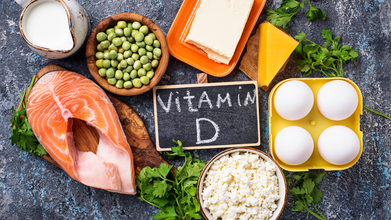
February often feels like winter’s longest stretch. The days are short, the sun rarely breaks through the clouds, and many people find themselves feeling unusually tired or low. Health experts say this is also the time of year when vitamin D deficiency tends to surface, especially in regions with limited winter sunlight.
While vitamin D is best known for its role in bone health, its impact goes far beyond that. As sunlight exposure drops in late winter, attention is turning to how diet can help support the body until brighter days return.
Why Vitamin D Matters for the Body
Vitamin D plays a key role in several essential functions. It helps the body absorb calcium, which is crucial for maintaining strong bones and teeth. It also supports normal muscle function and keeps the immune system working efficiently.
What is less widely discussed is its role in brain health. Vitamin D receptors are present in many areas of the brain, and low levels have been linked to changes in mood and energy. During winter, many people report feeling sluggish, unmotivated, or emotionally flat. While these symptoms are often blamed on stress or lack of sleep, reduced sunlight and falling vitamin D levels may also contribute.
Why Winter Increases the Risk of Deficiency
The body produces most of its vitamin D when the skin is exposed to sunlight. In winter, shorter days, heavy clothing, and more time spent indoors mean that this natural process slows down significantly. Even people who eat well can struggle to maintain optimal levels during prolonged periods of low sun exposure.
This is where food choices can offer some support, even if they cannot fully replace sunlight.
Fatty Fish as a Natural Boost
Salmon is one of the richest natural sources of vitamin D. It also provides high quality protein and healthy fats that support heart and brain health. Simple meals like oven baked salmon with potatoes and broccoli or a salmon rice bowl with vegetables make it easy to include in weekly meals.
Herring is another strong option. It contains both vitamin D and omega 3 fatty acids, which are known to support heart health. Traditional combinations such as herring with boiled potatoes or a light yogurt based sauce are both nourishing and filling.
Everyday Foods That Add Up
Eggs also contribute small amounts of vitamin D, mainly from the yolk. While they do not provide as much as fatty fish, they are easy to include in daily meals. Scrambled eggs, vegetable omelettes, or a soft boiled egg at dinner can all help increase intake over time.
Mushrooms are one of the few plant based foods that contain vitamin D, especially when they have been exposed to light. They are not a replacement for fish but can be a helpful addition for those who eat little or no seafood.
Food Helps, but Sunlight Still Matters
Nutrition can support vitamin D levels during winter, but it cannot fully make up for the lack of sunlight. Most vitamin D is still produced through the skin, not the diet. Experts advise making the most of daylight when possible, even short walks outdoors, while using food as a supportive measure until spring arrives.
Expert Reveals Why You Keep Gaining Weight Despite Barely Eating
(Photos: Canva)
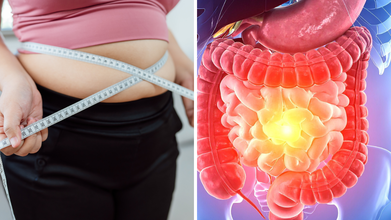
Recent insights from medical experts show that even people who eat very less can gain weight due muscle mass, stress, and their body’s movement during the day.
Dr Mohit Bhandari, a robotic bariatric and endoscopic weight loss surgeon, founder and director of Mohak Bariatrics and Robotics at Bhandari Hospital Indore notes some people eat whatever they want without gaining weight, while others struggle even with dieting.
The secret lies in the complex interplay of genetics, metabolism, and environmental factors that influence weight management.
This is why are you are putting on weight, according to Dr Bhandari:
1. Metabolism Differences
Studies have shown that metabolic factors are involved in the development of obesity and that being overweight is not simply a result of "sloth and gluttony."The speed at which the body burns calories is different for every individual. A slower metabolism means that even consuming small amount of food can lead to gain.
Individuals with high level of physical activity are less likely to be obese as they mean calories quicker.
2. Hormonal And Lifestyle Factors
Many women experience weight gain during menopause due to a drop in estrogen levels and subsequently fat distribution. This can lead to risk of heart diseases, Type-2 diabetes and joint problems.Hormones like thyroid hormones, cortisol, and play a major role in weight regulation. Stress, lack of sleep and Insulin sensitivity are also factors that lead to fat storage in the body.
3. Loss Of Muscle Mass
When muscle mass decreases due to ageing, inactivity or illness, it often causes a decline in physical activity, which further lowers daily energy expenditure.Consuming a snack rich in carbohydrate with 10-20 grams of protein before and immediately after strength training sessions further acts as a responsible factor in gaining weight.
4. Gut Health And Digestion
Poor digestion can also trigger inflammation, which interferes with blood sugar levels.Additionally, it can also trigger inflammation, which interferes with normal metabolism and insulin function, encouraging fat storage.
- Follow Us :


© 2024 Bennett, Coleman & Company Limited