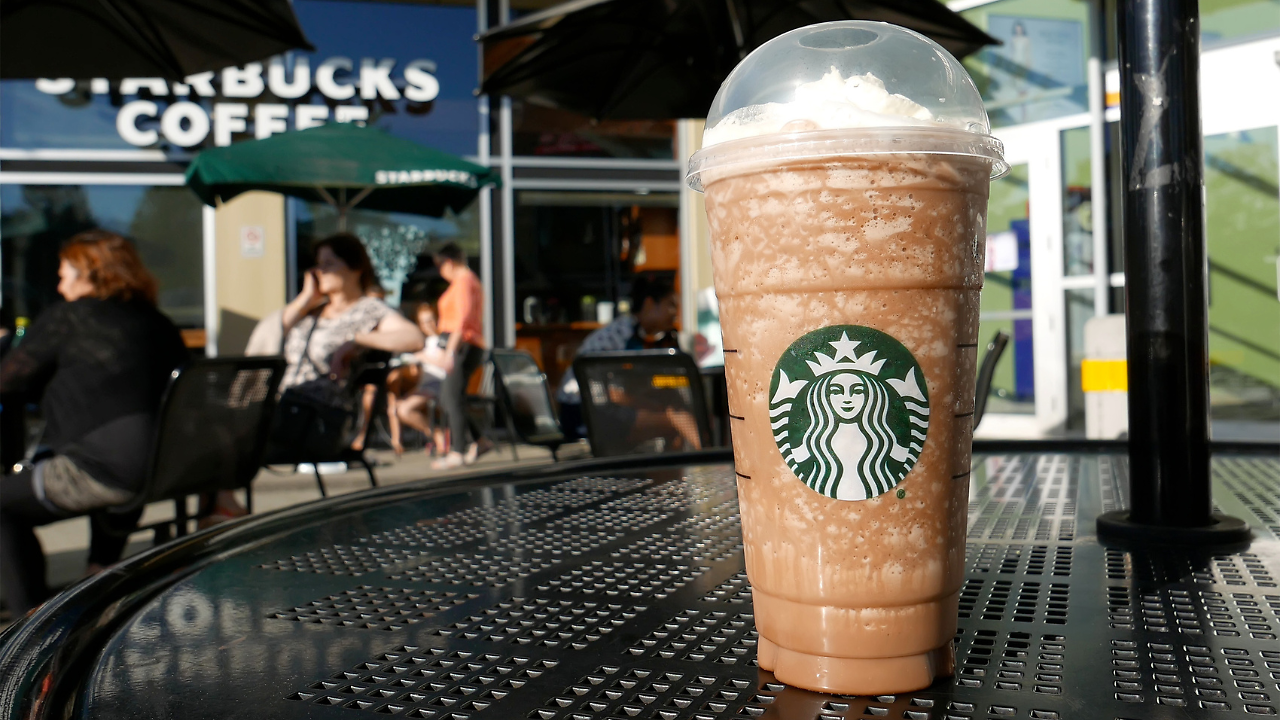
Starbucks is facing a class-action lawsuit in the US for marketing eight protein beverages as "sugar-free" despite containing between 13 and 21 grams of sugar in a venti serving. The lawsuit filed in Seattle states the drinks are labelled in a misleading manner that violate federal regulations. In response, Starbucks has denied the claims.According to Reuters, the sugar comes from lactose, the naturally occurring sugar in milk, rather than sugar added to the beverages. Starbucks says the drinks contain no added sugar and that their nutritional information is available on its website and other platforms.About The Starbucks LawsuitAlso read: Nearly 1 In 4 US High School Seniors Drink Energy Drinks Daily: Doctors Warn About Caffeine RisksHagens Berman filed the suit on behalf of three consumers who bought Starbucks’ sugar-free protein drinks in California, New York and Washington.“Consumers avoid sugar for various reasons, whether that be general health, diabetes and blood glucose levels or other factors, and for many, a staunch mislabeling like this is significant,” said Steve Berman, a co-founder and managing partner of the Seattle-headquartered firm.The drinks named in the lawsuit include sugar-free vanilla and caramel protein lattes and matchas, along with their iced versions. Starbucks' U.S. website listed a 16-ounce (0.5-liter) Sugar-Free Caramel Protein Matcha with 16 grams of sugar and a 20-ounce (0.6-liter) version of the same drink with 21 grams of sugar.The drinks are marketed as “sugar-free,” but the amount of sugar in each beverage was also mentioned, including a note that said that they were made without added sugar.“We believe these claims have no merit,” a Starbucks spokesperson said Monday. “Starbucks has consistently and clearly provided information about its protein beverages, sugar-free options, customization choices and nutritional content across product announcements, menus, marketing materials, Starbucks.com and the Starbucks app, and we intend to vigorously defend ourselves in this matter.”Naturally Occurring Sugar Vs Added SugarAlso read: Red Bull Vs FSSAI: Beverage Giant Can Retain The 'Energy Drink' Label; What Are Its Health RisksThe American Heart Association says that naturally occurring sugars are found in foods like milk and fruit, while added sugars are added during the preparation. Lactose in milk is therefore not the same as added table sugar or syrup.However, “naturally occurring” does not mean the amount is irrelevant or it is completely healthy. Total sugar still contributes carbohydrates and calories, and affects the overall nutritional profile of a beverage.Health Risks Of Consuming Excessive Sugar High consumption of sugary foods and beverages can contribute to excess calorie intake and obesity. Excess sugar intake is also linked with a higher risk of conditions including type 2 diabetes and cardiovascular disease. WHO also identifies sugar consumption as a major risk factor for dental caries.The American Heart Association recommends limiting added sugar to no more than 25 grams per day for most women and 36 grams for men. Therefore, a drink containing 21 grams of naturally occurring sugar cannot simply be counted as 21 grams of added sugar, but the number still gives consumers useful information about what they are drinking.Naturally added sugars do not make it fit for consumption, especially for someone monitoring blood glucose. Lactose is a carbohydrate and is broken down into glucose and galactose during digestion.Therefore, people with diabetes or those specifically trying to control their carbohydrate intake may still need to account for the total carbohydrate and sugar content of a drink rather than trusting terms such as “sugar-free” or “no added sugar.”