
- Health Conditions A-Z
- Health & Wellness
- Nutrition
- Fitness
- Health News
- Ayurveda
- Videos
- Medicine A-Z
- Parenting
What Is The Viral ‘Boy Kibble’ Trend?

Credit: Erik Svend Svendsen/Instagram
The social media platform TikTok has once again sparked a viral trend—this time for the right reasons. The latest craze, known as the “Boy Kibble” trend, is gaining popularity among Gen Z men and promotes a simple approach to healthy eating.
The recipe: ground beef, rice, and sometimes vegetables or fat.
What Is ‘Boy Kibble’?
Boy Kibble represents a human version of pet food. More than taste or presentation, it focuses on efficiency while also achieving nutritional balance with protein, fiber, and calories.
The food trend is also a spin on the viral “girl dinner” trend, which went viral in 2023, and includes bread or cheese in some way.
The new Boy Kibble is the masculine version, with young men looking for a simple way that is high in protein and will also help them lose weight.
Notably, people are also customizing the ingredients according to their preferences. Instead of ground beef, some are opting for ground turkey, served with rice and avocado.
Others reported using potatoes instead of rice in their “boy kibble”, while some are adding kale and other greens to their beef.
Also read: What Is the Viral Water Stacking Trend?
What Prompted The New ‘Boy Kibble’ Trend?
According to experts, the trend has been fueled by
- fitness influencers,
- longevity podcasts
- interest in maximizing performance.
The 2025-2030 US Dietary Guidelines, which prioritize red meat, whole milk, and other animal sources of protein, have also reportedly inspired the trend.
Who Created The ‘Boy Kibble’ Trend?
The trend was coined by a TikTok user in January, for dinner, filled with essential nutrients -- a simple bowl of beef and rice, the Independent.co.uk reported.
“Y’all may have girl dinner, but I got boy kibble,” said the user by the name @thequadfather, showing off the ground beef that’s rich in protein. “We are not the same.”
Is The ‘Boy Kibble’ Trend Healthy?
Emily Contois, a University of Tulsa media studies professor, noted the term may help normalize once niche eating habits associated with athletes and bodybuilders, KTLA news reported.
Adrienne Bitar, a Cornell University professor, told the Times that the trend reflects a long-standing desire to find an “optimal” way to eat. It prioritizes measurable results over enjoyment.
While "girl dinner" was more "fun, whimsical, and creative,” Bitar said, boy kibble is focuses on joy than flavor.
It also is based on efficiency and results.
She further added that the trend mirrors broader cultural shifts in which nutrition is increasingly discussed in terms of optimization and productivity, rather than pleasure or tradition, the report said.
From Chai to Coffee: Are Your Winter Beverage Habits Affecting Your Kidney Health?
Credit: iStock
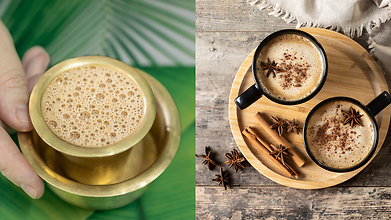
As temperatures fluctuate during winter, many people tend to increase their consumption of hot beverages such as tea, coffee and hot chocolate. While these drinks offer comfort during colder mornings and evenings, excessive consumption, particularly when accompanied by inadequate water intake, may have implications for kidney health.
Can excessive tea and coffee consumption affect your kidneys?
Tea and coffee contain caffeine, which has a mild diuretic effect, although moderate consumption generally does not cause dehydration in healthy individuals. The concern arises when people begin relying primarily on caffeinated beverages for their fluid intake and neglect plain water.
Adequate hydration is essential for maintaining kidney function, supporting waste elimination and preventing the formation of kidney stones. Reduced fluid intake can make urine more concentrated, increasing the likelihood of crystal formation in individuals who are susceptible to kidney stones.
Watch what goes into your cup:
Another aspect to consider is what goes into these beverages. Excessive sugar in tea and coffee can contribute to weight gain and increase the risk of diabetes, while frequent consumption of flavoured coffees, packaged hot chocolate and other sweetened drinks can add unnecessary calories and sugar to the diet.
Diabetes and hypertension are among the leading risk factors for chronic kidney disease. People with existing kidney disease may also need to monitor their fluid, potassium and phosphorus intake depending on their kidney function and medical advice.
How can you protect your kidney health?
The key is moderation and balance. Enjoying tea and coffee in reasonable quantities is generally safe for most healthy individuals, but these beverages should not replace water entirely. Maintaining adequate fluid intake, limiting added sugar and following a balanced diet can help support kidney health throughout the winter season.
(By Dr. Umesh Gupta, Director and HOD, Nephrology and Kidney Transplant, Aakash Healthcare Super-Speciality Hospital, Dwarka)
Binge-Eating & Drinking On Thanksgiving May Trigger An Irregular Heartbeat: What Is Holiday Heart Syndrome?
Credit: AI
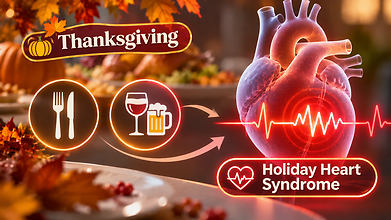
Thanksgiving is often a day of second helpings, late-night celebrations and some extra drinks. But overdoing it may affect more than your digestion. A night of heavy drinking can trigger an irregular heartbeat in some people, a condition doctors call 'Holiday Heart Syndrome'.
It can happen even in people who have no previous heart disease and don’t regularly drink alcohol. While the condition often occurs during holiday celebrations, it can happen after binge drinking at any time of the year.
What Is Holiday Heart Syndrome?
Holiday Heart Syndrome refers to abnormal heart rhythm, most commonly atrial fibrillation (AFib), after heavy alcohol consumption.
In AFib, the heart’s upper chambers, called the atria, beat irregularly instead of contracting normally. This can make the heartbeat irregular and sometimes unusually fast, affecting how efficiently blood moves through the heart.
Alcohol is the most common trigger for Holiday Heart Syndrome. But overeating, salty foods, dehydration, stress and poor sleep around celebrations can add to the strain on the body and contribute to heart rhythm problems.
The condition isn’t limited to Thanksgiving, Christmas or New Year’s Eve. It can happen after a weekend party, wedding or any occasion involving excessive drinking.
Also read: How Weight Loss and Appetite Changes Can Signal Deeper Health Problems
Binge Drinking May Trigger An Irregular Heartbeat
Alcohol can interfere with the heart’s electrical signals, affecting how its cells generate and conduct impulses. Heavy drinking may also alter the balance of the nervous system, increase stress hormones and affect electrolytes, which help regulate the heartbeat.
Dehydration and electrolyte disturbances, especially after heavy drinking or vomiting, may disrupt the heart’s electrical activity further.
The risk appears to increase with the amount of alcohol consumed. Research has found that even people who don’t usually drink heavily can experience atrial fibrillation after a binge-drinking episode.
A heavy holiday meal can also contribute to discomfort, changes in blood pressure and additional cardiovascular workload.
Eating large amounts of salty or fatty food, drinking heavily, staying up late and skipping sleep can stress out the body. But excessive alcohol consumption remains the primary trigger of Holiday Heart Syndrome.
Also read: New Supplement Can Help Increase Fibre Intake & Improve Gut Health Without Worsening IBS
Symptoms Of Holiday Heart Syndrome
Holiday Heart Syndrome may not always cause noticeable symptoms. When symptoms occur, they can include:
- A racing, pounding or fluttering heartbeat
- Feeling that the heart is skipping beats
- Dizziness or lightheadedness
- Unusual fatigue or weakness
- Shortness of breath
- Chest discomfort
Some people may experience an episode of AFib without realising it, which is one reason the condition shouldn’t be dismissed simply because symptoms are mild.
Is Holiday Heart Syndrome Dangerous?
An episode of atrial fibrillation may resolve on its own, sometimes within 24 hours, but that doesn’t mean it is harmless.
AFib can cause blood to pool in the heart, increasing the risk of blood clots and stroke. It can also make the heart less efficient at pumping blood, especially when the heart rate becomes very fast.
People with high blood pressure, diabetes, obesity, sleep apnoea or existing heart disease may be at greater risk of complications. But even people without a previous heart condition can develop this condition.
If you experience repeated palpitations, chest pain, breathlessness or fainting, seek urgent medical attention. Chest pain or breathing difficulty should not be blamed on overeating or drinking.
Also, you don’t have to turn Thanksgiving into a day of counting every bite, but a few habits can help reduce the strain on your heart. You may follow these precautions:
- Avoid binge drinking. Heavy alcohol consumption is a key trigger for Holiday Heart Syndrome.
- Eat slowly and avoid eating excessively large meals in one sitting.
- Go easy on very salty foods, especially if you have high blood pressure.
- Drink water throughout the day.
- Avoid staying up all night.
- Don’t ignore a racing or irregular heartbeat, even if it begins after a celebration.
How Weight Loss and Appetite Changes Can Signal Deeper Health Problems

Credit: iStock
Weight loss is often considered a sign of better health, especially when it follows changes in diet and exercise. However, losing weight without making any such changes needs a closer look. A person may notice that their clothes are becoming loose, they are eating less than usual or they no longer feel hungry at mealtimes. While these changes may appear harmless, they can sometimes point to an underlying health problem.
When should unexplained weight loss be taken seriously?
Losing around 5% of body weight over six to twelve months without trying is generally considered significant. For someone weighing 70 kg, this would mean losing about 3.5 kg or more without changing their routine.
There are several possible reasons. An overactive thyroid can make the body burn energy faster, while uncontrolled diabetes can cause weight loss because the body cannot use glucose properly. Some digestive conditions affect the absorption of nutrients, while prolonged infections can also lead to a gradual drop in weight.
Why does appetite change?
A reduced appetite is sometimes the first noticeable sign. A person may start eating smaller meals, feel full after a few bites or experience a general lack of interest in food. Nausea, bloating and abdominal discomfort may accompany these changes.
Such symptoms can occur with digestive problems, hormonal disorders, certain medications and depression. In older people, a decline in appetite is sometimes linked to ageing, but a continuing change in eating habits should be investigated rather than dismissed.
Could it point to a more serious condition?
Unexplained weight loss can occasionally be associated with cancer. Pancreatic cancer is one such condition where weight loss and reduced appetite may appear early, sometimes before other symptoms become noticeable.
The pancreas helps digest food and regulate blood sugar. When a tumour develops in this organ, it can affect digestion and the body's ability to process nutrients. Some people may also experience abdominal or back pain, changes in bowel movements, new-onset diabetes or jaundice, which causes yellowing of the skin and eyes.
These symptoms do not necessarily mean cancer. They can occur in several other conditions as well. However, persistent symptoms need to be checked.
When should a person seek medical advice?
A continuing drop in weight without an obvious reason, particularly when accompanied by loss of appetite, tiredness or digestive complaints, should not be ignored.
The initial assessment usually involves understanding the pattern of weight loss, eating habits, medication and medical history. Blood tests may be advised to check thyroid function, blood sugar and liver and kidney health. Depending on the symptoms, further tests or abdominal imaging may also be required.
Not every change in weight or appetite indicates an illness. However, when these changes persist, finding the underlying cause is more important than simply trying to regain the lost weight.
- Follow Us :


© $2026 Times Horizon Private Limited