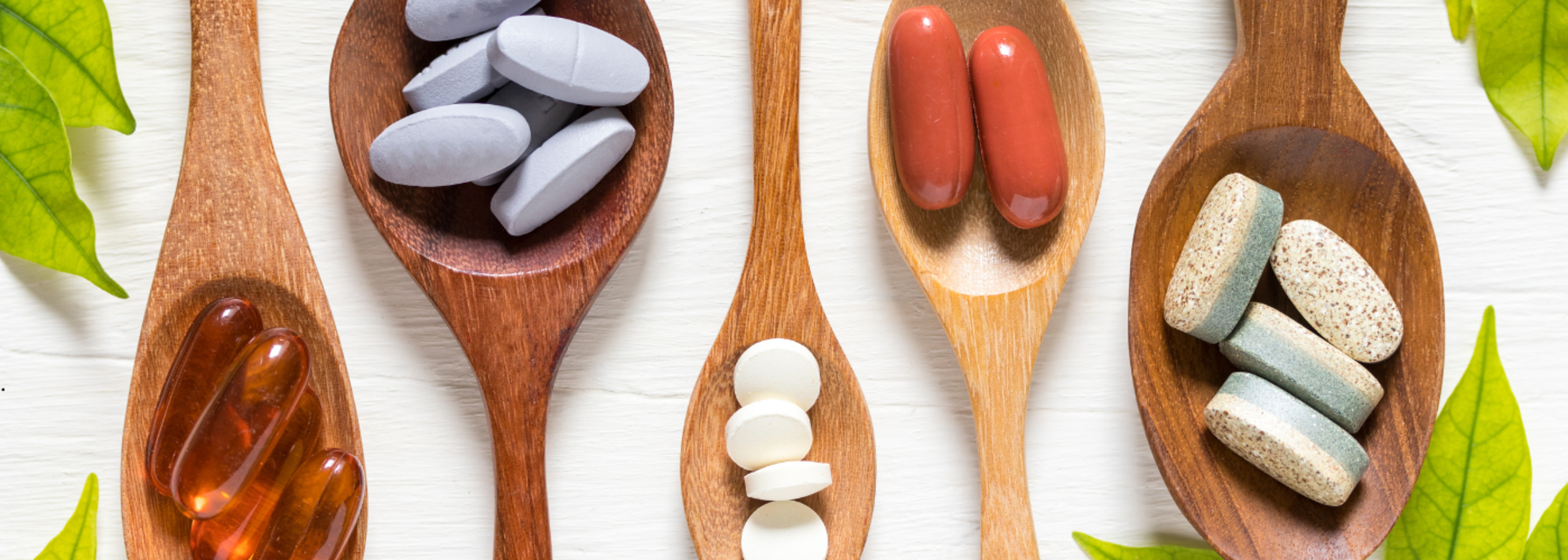
As per a 2022 survey, over 3,100 US adults found that 75% take some form of nutritional supplements. The survey also found that among them, 53% reported that they use specialty supplements such as omega-3s, probiotics, or fiber. There are many factors that may have contributed to their popularity, one of them being an increase in health awareness and the convenience of online shopping. However, supplements always remain a topic of debate. This is because the industry is not regulated by the US Food & Drug Administration (FDA). This has led to some questions about their necessity, especially for those already consuming a balanced diet. Here is what research and experts suggest about when to consider taking the supplements and how to choose the right ones. When Are Supplements Recommended?Experts also suggest that supplements should be the first approach to achieve the best health. In most cases, lifestyle changes, such as balanced diet and regular exercise take precedence. However, there are specific scenarios where supplements could actually be beneficial. These instances are pregnancy, lactation, infants receiving human milk or consuming less than 32 oz. of formula per day, health improvement, special dietary needs, and or nutrient deficiencies. What Are The Beneficial Supplements?Prenatal VitaminsHealth organizations recommend prenatal vitamins for individuals planning to conceive and throughout pregnancy. These vitamins typically contain folic acid and iron, both essential for fetal development. Folic acid helps prevent neural tube defects, while iron supports oxygen transportation, aiding both the baby and placenta.Also Read: 7 Must-Have Supplements During PregnancyVitamin DApproximately 42% of people are vitamin D deficient, with even higher rates among certain populations. Sun exposure is a natural source, but dietary sources are limited. Deficiency has been linked to poor bone health, cardiovascular issues, and pregnancy complications. Experts suggest vitamin D supplementation, especially for those with minimal sun exposure.Omega-3s Fatty AcidsOmega-3s are commonly found in fish and nuts and are linked to heart health. While data supporting supplementation over dietary intake is limited, it may benefit individuals with low omega-3 consumption. Research suggests omega-3s may help reduce triglyceride levels and alleviate symptoms of rheumatoid arthritis.Vitamin B-12Naturally present in animal products, B12 is vital for red blood cell formation, DNA production, and nerve function. Deficiency is more common in vegans, vegetarians, and pregnant individuals. In such cases, supplementation may be necessary to maintain adequate levels.IronIron plays a crucial role in oxygen transport and muscle metabolism. Individuals with iron deficiencies, anemia, or pregnancy-related needs may benefit from supplementation. However, excessive intake can lead to adverse effects, so professional guidance is essential.MagnesiumNearly half of the U.S. population does not consume enough magnesium. Research indicates that supplementation may help reduce blood pressure, improve sleep duration, regulate blood sugar levels, and enhance mood.Supplements Which Are Not NecessaryThe list includes:Green Powders: they are marketed as nutrient rich green powders, however, they cannot replace green vegetables. In fact, experts claim that they may not be great in digestion and a lot of the claims lack evidence. Probiotics: While they are widely used, there is no substantial evidence. Experts recommend obtaining natural probiotics instead from yoghurt or khimchi.ALSO READ: Probiotics Or Prebiotics-What Should You Take? Mega Dose SupplementsBuffered Creatine Monohydrate: Though creatine monohydrate is linked to muscle recovery, newer “buffered” versions claim superior absorption. However, research does not support these claims, making standard creatine monohydrate a more cost-effective option.