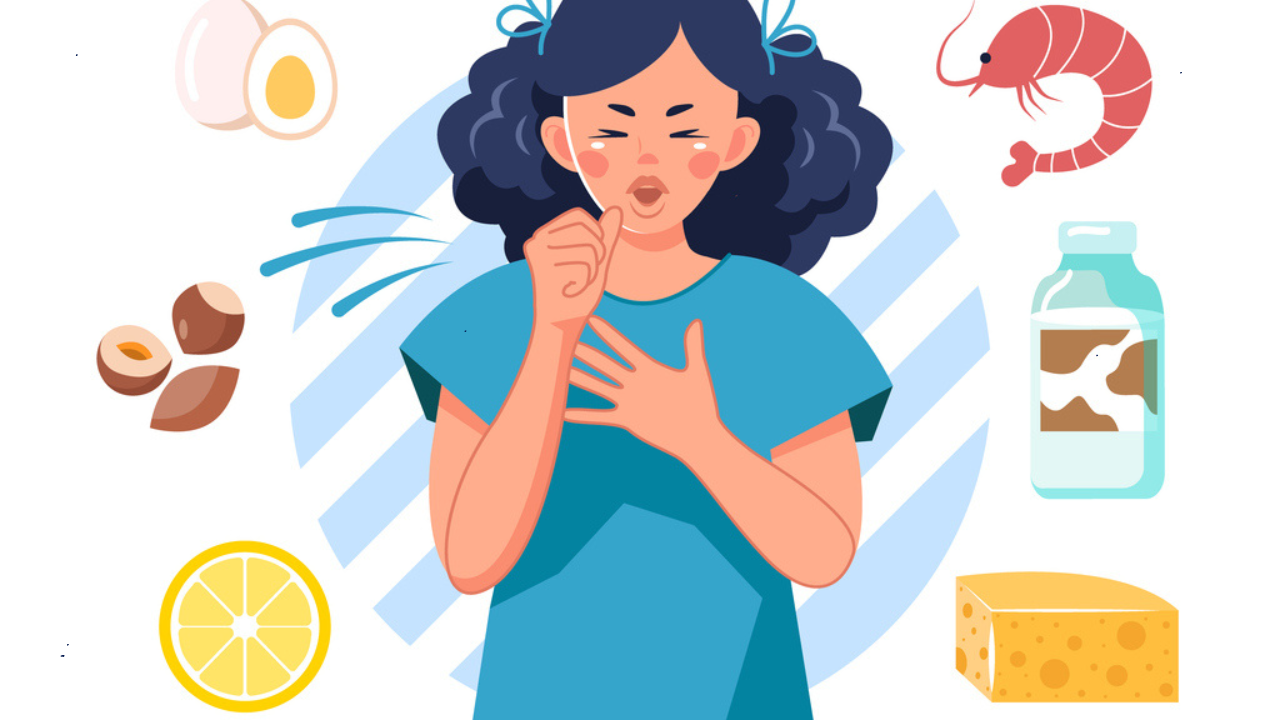
Food allergy in children is becoming a more visible concern in Indian families, especially in urban settings where children are growing up with a different immune environment from earlier generations. Less outdoor exposure, smaller families, more indoor living, frequent antibiotic use, air pollution, shifts in gut bacteria, packaged foods, and delayed introduction of certain foods may influence how the immune system learns tolerance. A food allergy happens when the body treats a harmless food protein as a threat and reacts against it.Misleading Early SymptomsThe difficulty for parents is that many early symptoms look ordinary. Gas, bloating, or loose stools after a food may point to intolerance, which can be uncomfortable but is usually not dangerous. An allergy tends to follow a more recognizable pattern involving hives, itching, swelling of the lips or eyes, repeated vomiting, coughing, wheezing, throat tightness, breathing difficulty, sudden tiredness or faintness soon after eating. In severe reactions, anaphylaxis can affect breathing and blood pressure, making it a medical emergency.India adds another layer of complexity because possible triggers are often everyday foods. Milk, wheat, egg, peanut, fish, chickpea, lentils, and sesame are part of a child’s routine diet. Removing them altogether can deprive a growing child of protein, calories, and micronutrients, and ignoring repeated reactions can keep the child exposed to a genuine trigger. Both can harm the child.What Should Parents Watch For Parents should watch for patterns rather than fear every meal. If eczema flares, vomiting, wheezing, stomach pain, swelling, or rashes repeatedly appear after the same food, the child’s allergies should be evaluated. A food diary is useful, but diagnosis cannot rest on home-based trial and error. The most important starting point is a careful clinical history: what was eaten, how quickly symptoms appeared, whether it happened again, and which body systems were involved. Based on this, a doctor may advise a skin prick test, serum-specific IgE test, or, in selected cases, a supervised oral food challenge.The goal is simple: do not label every discomfort as an allergy, and do not dismiss repeated reactions as weak digestion. Children should remain confident around food while genuine triggers are identified, managed, and nutritionally replaced.