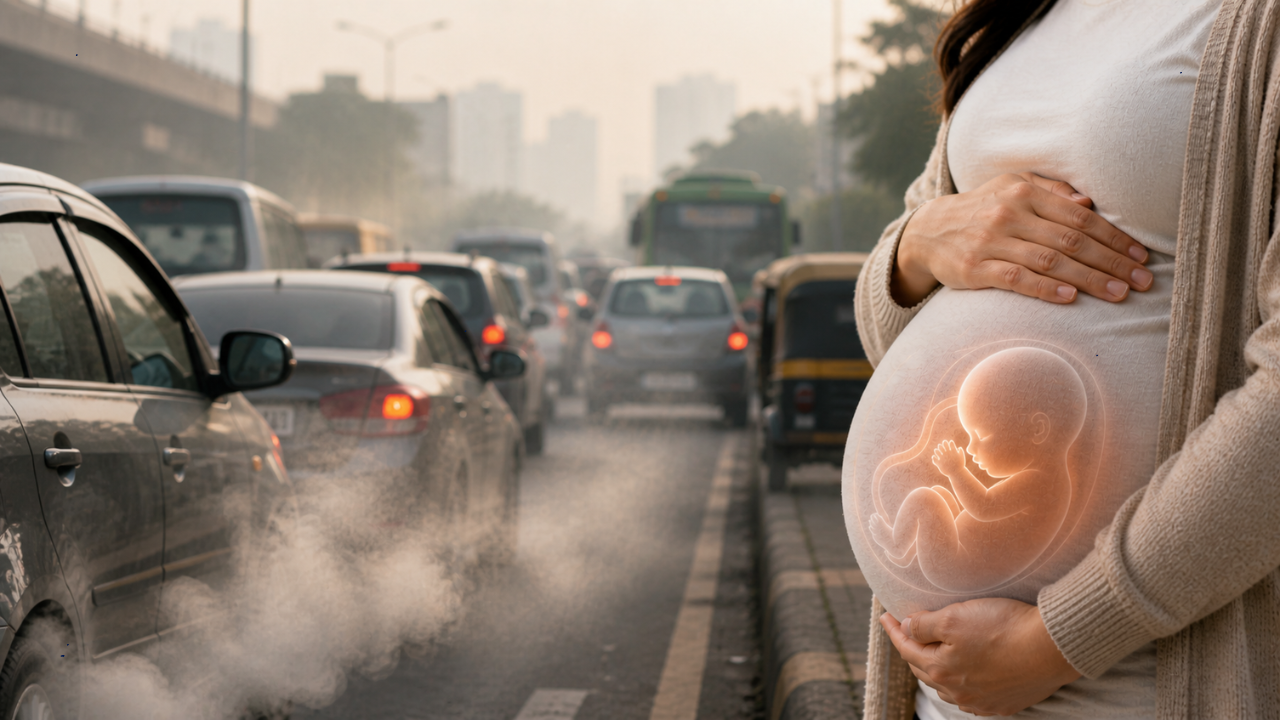
Babies exposed to pollution, especially vehicle exhaust, during the first trimester of pregnancy had worse language skills at 18 months, according to a study. The research, published in the Journal of Physiology, found that children exposed to traffic emissions have different brain structure sizes, attributed to pollution exposure in the womb. Notably, pollution had an even greater impact on babies born pre-term, with this group showing poorer motor as well as language skills. “We wanted to establish if air pollution levels related to cognitive, language, and motor abilities in this critical period of early childhood. The first 1,000 days from conception to age two shape long-term brain health and behavior,” said lead author Dr Alexandra Bonthrone, from King’s College London. What Did The Study Find? The team involved 498 infants from Greater London between 2015 and 2020. Of the cohort, 125 were born prematurely, and within that group, 54 were born less than 32 weeks – known as ‘very and extremely preterm’. Analyzing pollutants like particulate matter and nitrogen dioxide, which are emitted by traffic exhaust, the researchers estimated the amount of pollution mothers were exposed to during pregnancy based on their home postcode. The infants underwent a standard clinical test of development, known as the Bayley Scales, which measures cognitive, language, and motor skills, with scores of 100 reflecting the population average. Those exposed to high pollution in the first trimester of pregnancy scored on average 5-7 points lower compared to babies exposed to low pollution on language tests. There was no association with pollution in the second and third trimesters. Premature babies exposed to the highest pollution levels in the womb across all of pregnancy scored on average 11 points less than those exposed to low levels for motor skills. How Pollution Impacts Fetal Health Breathing in air pollution is the second largest risk factor for death in children under 5 globally, second only to malnutrition, according to the State of Global Air Report. According to experts, maternal exposure to pollution increases the risk of miscarriage, pre-term births, stillbirths, birth defects, and congenital heart disease, among others. Toxic particles can cross the placenta, the temporary organ that links a baby to the mother through the umbilical cord, and disrupt normal development. They trigger inflammation in the placenta, which creates resistance to blood flow. Over time, the blood vessels become damaged, reducing the amount of blood reaching the fetus. Air pollution can mess with how nutrients reach the baby, which often leads to low birth weight. Research also shows that when a pregnant woman is exposed to polluted air, the risk of stillbirth goes up, especially in the third trimester. High levels of fine particulate matter (PM2.5) are linked to low birth weight and premature birth, both of which can cause other health problems. Tiny sooty particles can move through the mother’s bloodstream to the placenta and affect the baby’s lung development, raising the risk of lifelong breathing issues like asthma. Pollutants such as nitrogen dioxide and PAHs, which come from things like burning food, coal, oil, or gas, can disrupt how organs form. This can increase the chances of conditions like congenital heart defects, neural tube problems, or cleft palate. Some studies also suggest that heavy exposure to air pollution during pregnancy may raise the risk of autism spectrum disorder. Air pollution can also push the mother’s blood pressure up, increasing the risk of preeclampsia, which is dangerous for both mom and baby.