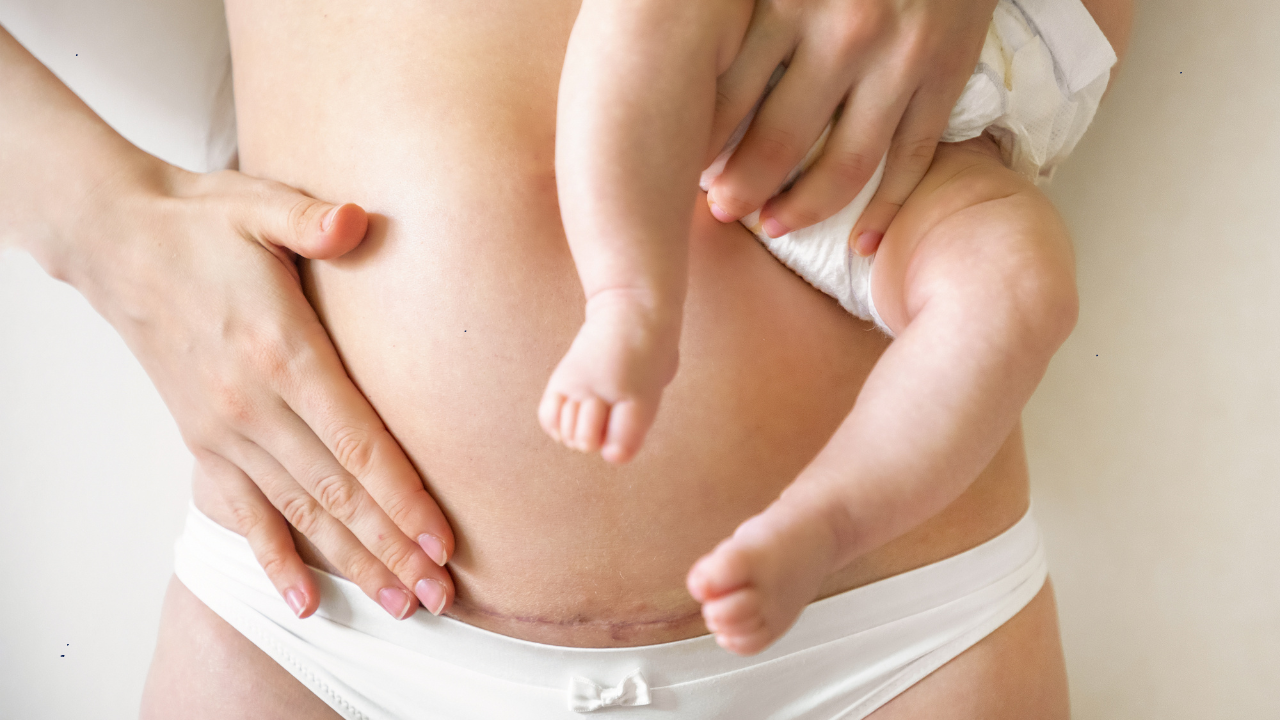
The postpartum period is often entirely centered around the baby, and a mother’s recovery is supposed to proceed quietly in the background. Many women continue to feel uncomfortable months after delivery, but they treat that discomfort as a normal part of being a mother. One of the most underreported and misunderstood conditions is Pelvic Organ Prolapse (POP), which is a condition of the postpartum period resulting from the weakening of pelvic floor muscles post-pregnancy and childbirth.What Happens To The Body After Childbirth? Pregnancy and vaginal delivery place a significant strain on the muscles and tissues of the pelvic floor, which support the expansion of the uterus, bladder, and bowel. Extended periods of labour, large babies, multiple pregnancies, and challenging deliveries can diminish these support systems even further. When a woman's pelvic floor weakens, her pelvic organs, such as the bladder, uterus, or rectum, may shift downward into the vaginal canal, leading to pelvic organ prolapse.Why The Condition Often Goes Unnoticed Pelvic Organ Prolapse tends to develop gradually, making its symptoms easy to ignore. Many women think bladder leakage, pelvic heaviness, or discomfort are all part of postpartum recovery, and so do not talk about them because they are embarrassed or unaware. Many new mothers also sacrifice their own health in favor of baby care, pushing off seeking medical care until symptoms start interfering with everyday life. Signs your body may still be recovering:Pressure or heaviness in the pelvic area Urinary leakage when coughing, sneezing, or exercising Constipation or pains in the bowelDifficulty emptying the bladder completelyPain in the lower back and/or in the pelvisSense of “something coming down” vaginallyHow To Aid Postnatal Pelvic RecoveryPractice gentle Kegel exercises to strengthen pelvic floor muscles Start light movement, such as short walks and gentle stretching Maintain proper posture while sitting, standing, and breastfeeding Avoid heavy lifting and high-impact exercises in the initial recovery phase Stay hydrated and consume a nutrient-rich diet to support tissue healing Get adequate rest and sleep for overall recoveryConsult a doctor if experiencing urinary leakage, pelvic pain, or heaviness for a prolonged period.Pelvic Organ Prolapse is common, treatable, and manageable, but many women quietly navigate suffering since these conversations are rarely had publicly. Early detection of the symptoms and support to overcome these can greatly enhance longer-term recovery and quality of life postpartum.