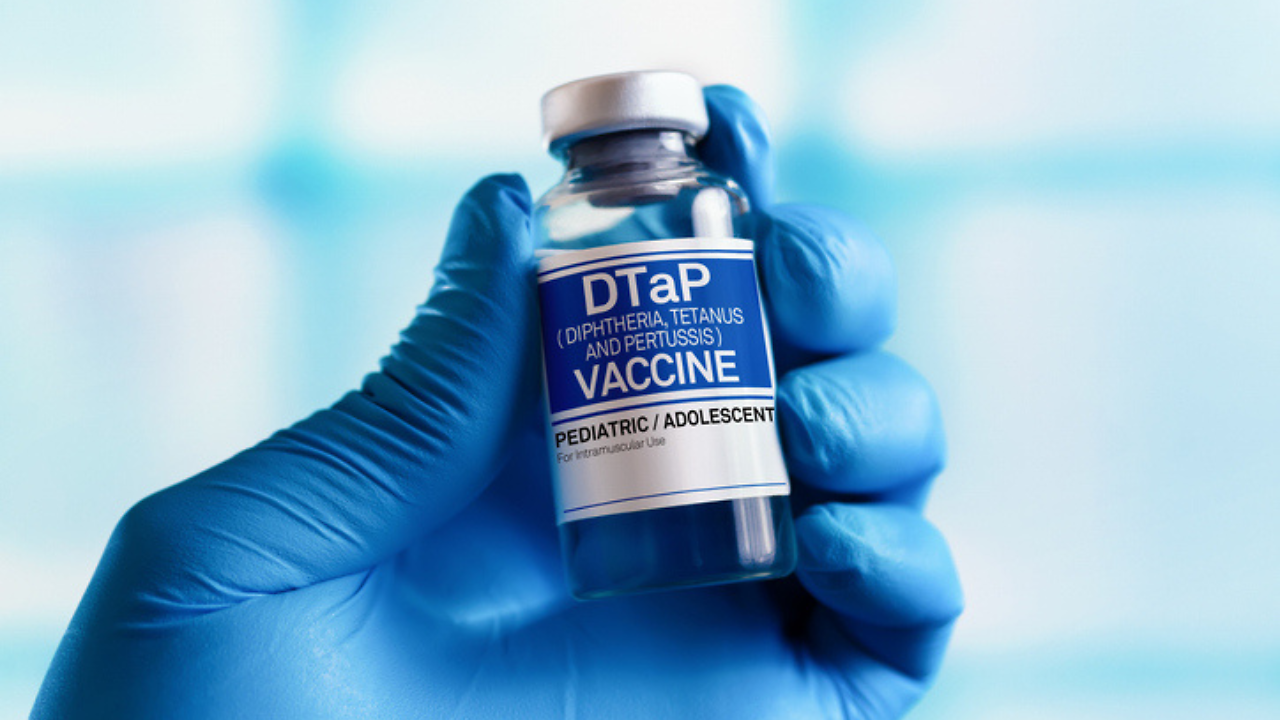
The pertussis vaccine, which protects against whooping cough (Bordetella pertussis), a highly contagious bacterial respiratory infection, offers strong protection in young children, according to a new study led by the US Centers for Disease Control and Prevention (CDC).Published in the CDC’s Morbidity and Mortality Weekly Report (MMWR), the study found that children who received three or more doses of the diphtheria, tetanus, and acellular pertussis (DTaP) vaccine had 96.2% protection against laboratory-confirmed pertussis.Pertussis Vaccine Offers Strong ProtectionThe DTaP vaccine is administered in a five-dose childhood series. The first dose is given at 2 months of age, followed by doses during infancy and early childhood. The final dose is recommended between ages 4 and 6 years.The MMWR study compared children in Alaska who had received three or more DTaP doses with those who were unvaccinated or had received fewer doses than recommended.Unvaccinated children had approximately 26 times the odds of developing laboratory-confirmed whooping cough compared with vaccinated children.Overall, adjusted vaccine effectiveness against pertussis was 96.2% among children who had received three or more DTaP doses. Partial vaccination also offered protection, with effectiveness reaching 85.3% among children who had received one or two doses.“Pertussis vaccination is effective in preventing laboratory-confirmed pertussis in young children,” said corresponding author Joseph McLaughlin of the Section of Epidemiology, Alaska Department of Health, Anchorage.Also read: RSV Warning: Welsh Mum Urges Pregnant Women To Get Vaccine After Baby Nearly Dies Whooping Cough Can Cause Severe ComplicationsPertussis can cause serious complications in young children, including pneumonia, pauses in breathing (apnea), seizures, brain damage, and death. Severe coughing fits can also trigger vomiting and, in some cases, fractured ribs.Infants younger than 6 months are particularly vulnerable because their immune systems are still developing. Babies may not develop the characteristic “whoop” sound and can instead experience feeding difficulties or pauses in breathing, making the infection harder to recognize.According to a provisional CDC report, 16 people died from pertussis in the United States in 2025, including 10 infants.Whooping cough spreads through respiratory droplets and can affect people of any age. However, newborns and people who are not adequately vaccinated face a greater risk of severe illness.Previous research has also found that unvaccinated children are more likely to develop severe illness or require hospitalization than vaccinated children.Childhood Vaccination Rates Have Declined In The USRead More: US Kindergarten Vaccination Rates Decline, Exemptions Rise as Measles Cases Hit 35-Year HighDespite the protection offered by vaccination, DTaP coverage among US kindergartners has declined in recent years.CDC data show that coverage fell to 92% in the 2025–26 school year, down from 95.2% in 2017–18.The findings underscore the importance of maintaining high childhood vaccination coverage to reduce pertussis infections and protect children against severe illness and death.Identifying Whooping Cough SymptomsWhooping cough often begins with cold-like symptoms, including a runny nose, sneezing, a mild cough, and sometimes a low-grade fever. After one to two weeks, coughing fits may become more severe and persistent.The cough can be followed by a characteristic whooping sound as the person gasps for air. Vomiting after coughing fits can also occur. However, symptoms vary, particularly in infants, who may experience breathing difficulties without a typical cough.Diagnosis may involve laboratory testing of a nasal or throat sample. Early recognition is especially important in infants because the infection can progress to serious complications.