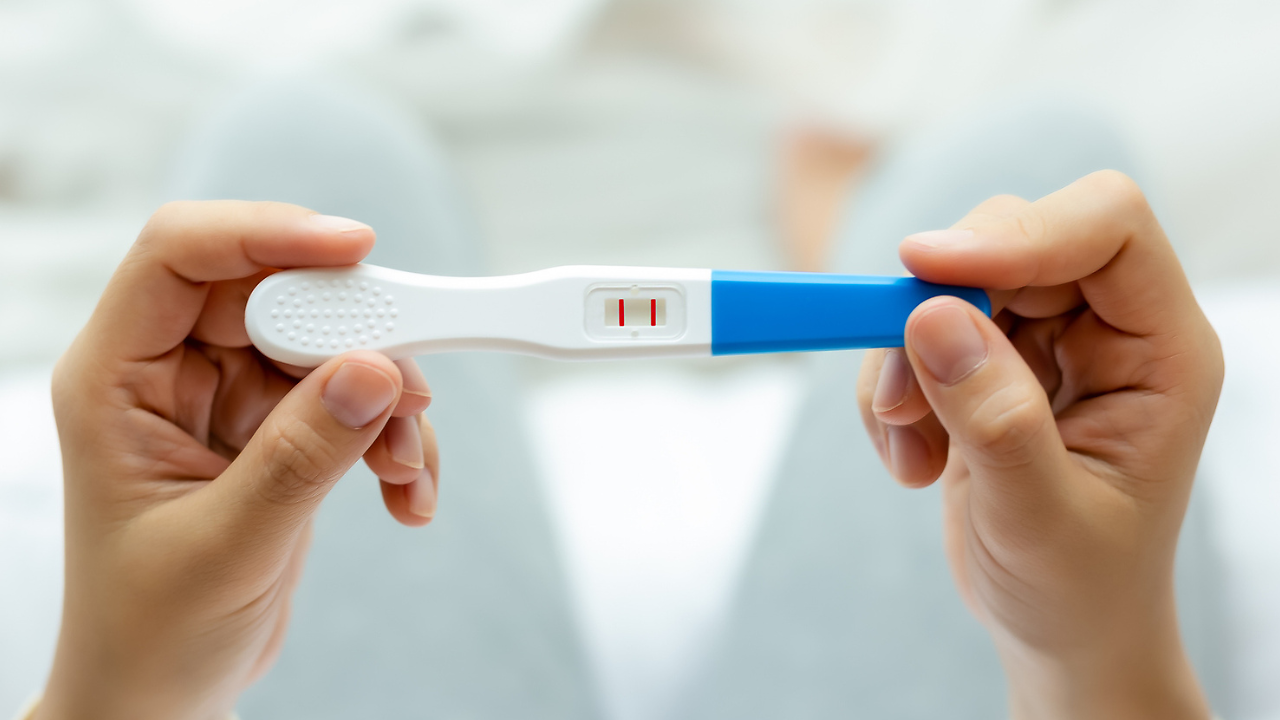
After an abortion, patients may endure mild pain in the initial days and vaginal bleeding resembling menstruation for 3-7 days. Abortion can bring mixed emotions. Deciding to try for a pregnancy after an abortion can bring a mix of emotions. Some women may feel ready to conceive again soon, while others may need more time physically or emotionally. No single timeline works for everyone. To understand when the body is ready and support emotional well-being, a few factors can help women make informed decisions before trying again. What to avoid after an abortion In most cases, fertility can return quite quickly after an abortion. Ovulation may resume within a few weeks, which means pregnancy is possible even before the next menstrual period. For women who had an uncomplicated abortion, there may not always be a medical need to wait for several months before trying to conceive. However, the right time can depend on the individual's health, how far along the pregnancy was, the type of abortion, and whether there were any complications. But it is always advised to abstain from sexual activities for at least a month to prevent unintended pregnancies and avoid damage to the cervix. If you had a surgical abortion or a dilation and curettage (D&C) procedure, your doctor may advise abortion recovery; suggest waiting for 3 months for your uterus to heal and then plan pregnancy. If your miscarriage occurred in the second or third trimester, it may be recommended to wait for 3 to 6 months (depending on your physical and mental capacity) so that your body can rest well and recover from any deficiencies before the next pregnancy. Abortion can disrupt hormonal balance and alter the menstrual cycle, affecting reproductive health and leading to infection and inflammation.Also read: Why Is Trump Administration Testing Drinking Water For Abortion Pills? EPA’s Controversial Move Explained Give your body time to recover Although fertility may return quickly, the body still needs time to recover. Remember, the signs of pregnancy are the same whether you had or had not an abortion. Therefore, always look for certain signs, such as bleeding and cramping can occur after an abortion, and the menstrual cycle may take some time to return to its usual pattern. But if they experience very heavy bleeding, persistent severe abdominal pain, fever, foul-smelling discharge, or other symptoms that could indicate an infection or complication, they should immediately consult a gynaecologist. Mental health matters too Physical recovery is only one part of the process; what mostly gets affected is mental health. Abortion or miscarriage comes from different emotions, including relief, sadness, guilt, anxiety, or a combination of these feelings. There is no "right" way to feel. For some women, becoming pregnant again can bring happiness and reassurance, while for some it may trigger memories or fears related to the previous pregnancy. Emotional readiness weighs more than physical readiness. Therefore, during this phase, it becomes quite important for partners and family members to talk openly and take care of each other.Also read: Why Is The Trump Administration Stopping Obamacare Health Plans For 760,000 Enrollees? Diet plays an important role Abortion leads to blood loss, and bleeding lasts up to a week. So, protein can be an ideal source for blood regeneration. Supplement with basic vitamins such as vitamin C, B1, B2, and vitamin E. For vitamins, consume fresh fruits and green vegetables such as spinach, tomatoes, bean sprouts, pumpkin, apples, and grapes contain extremely rich vitamin content, in addition to iron and phosphorus to help aid in blood replenishment. Folic acid is a B vitamin that helps regenerate red blood cells. Intake of calcium can help prevent insomnia, lethargy, and aching limbs. Along with these, mild meditation and exercise can help you stay fit physically and mentally. Does a previous abortion affect future fertility? A previous abortion also does not necessarily increase the risk of problems in a future pregnancy. After an abortion, possible complications may include heavy bleeding, infection, incomplete abortion or retained tissue, cervical or uterine injury or perforation, uterine adhesions, and temporary menstrual irregularities. In rare cases, complications may affect future fertility; in such cases, immediate medical attention is needed if there is severe or worsening lower abdominal pain, fever or chills, very heavy or prolonged bleeding, foul-smelling vaginal discharge, dizziness, fainting, or significant weakness. What if pregnancy doesn't happen immediately? It is normal for conception to take some time. Not becoming pregnant in the first few months does not automatically mean there is a fertility problem. The key is to look beyond the question from "How soon can I get pregnant?" to "Am I physically and emotionally ready?” Every pregnancy creates its own stories.