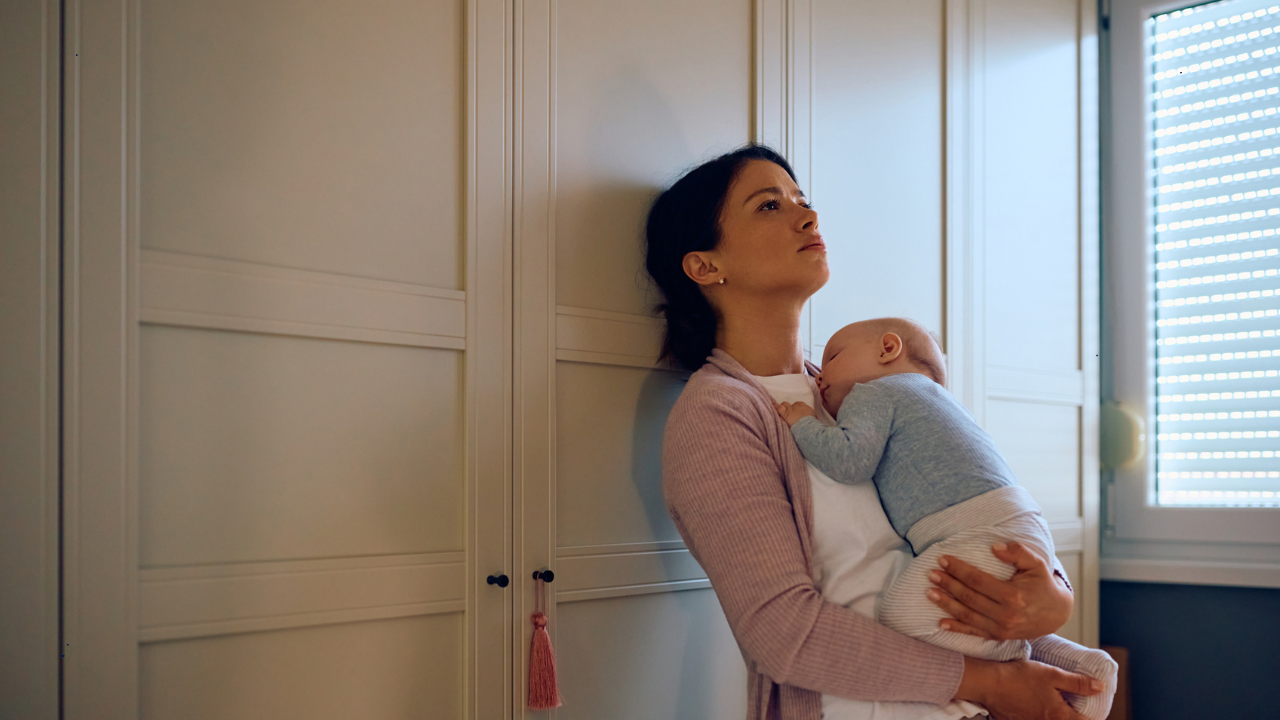
A baby’s arrival is described as one of the happiest moments in a woman’s life. Families celebrate, relatives visit, pictures are shared, and everyone asks one question — “How's the Baby?” But very few pause to ask the mother, “How are you?” Behind the smiles, celebrations, and sleepless nights, many women silently struggle with something far deeper than exhaustion: Postpartum Depression (PPD). Unfortunately, in many homes, it goes unnoticed, misunderstood, or dismissed as “normal after delivery.”Postpartum Depression is a medically recognized mental health condition that can affect women after childbirth. It is not “drama,” “weakness,” “overthinking,” or simply a phase of tiredness. While many mothers experience temporary mood swings, crying spells, irritability, or anxiety after delivery due to hormonal changes and exhaustion — commonly known as the “baby blues” — these feelings usually settle within a few days. However, when sadness, fear, hopelessness, anxiety, anger, emotional numbness, or exhaustion continue for weeks and begin affecting daily life, sleep, appetite, bonding with the baby, or relationships, it may indicate postpartum depression. More Common Than We ThinkExperts estimate that nearly 1 in 7 women may experience postpartum depression after childbirth. Yet many cases remain unrecognized because symptoms are often normalized within families. In many Indian households, women are expected to “adjust” immediately after delivery — manage breastfeeding, care for the baby, attend to guests, recover physically, smile constantly, and return to routine life within days. This pressure often prevents mothers from openly expressing emotional distress. Many women feel guilty admitting that they are struggling because society expects mothers to feel joyful all the time.Why Families Often Fail to Recognize ItOne of the biggest challenges with postpartum depression is that it does not always “look obvious.” A mother may still feed her baby, smile in front of guests, continue household responsibilities, or post happy pictures online while silently struggling emotionally. Sometimes, even mothers, sisters, or older women in the family unintentionally dismiss the condition because they compare it to their own experiences. Statements like “we also had babies, and we managed” are common. However, every pregnancy, delivery, body, emotional response, and support system is different. Reading about postpartum depression online may create awareness, but self-diagnosis alone is not enough. Many women may not have the emotional agency, clarity, or support to seek treatment themselves — especially when their feelings are repeatedly dismissed as routine stress or hormonal changes.How Can You Recognize Postpartum Depression?Some common signs include:· Persistent sadness or crying· Extreme exhaustion beyond normal tiredness· Anxiety, panic, irritability, or anger· Feeling disconnected from the baby· Difficulty sleeping even when the baby sleeps· Guilt, hopelessness, or fear of being a “bad mother”· Avoiding conversations or social interactions· Emotional withdrawal or loss of interest in daily lifeIf these symptoms continue for more than two weeks, professional support should be considered.How Families Can HelpThe biggest support a new mother can receive is emotional validation. Instead of dismissing her feelings with statements like “You are dramatic” or “Is the baby healthy?” families should ask:· “How are you really feeling?”· “You don’t have to handle this alone.”· “We are here for you.”A new mother does not need constant advice, comparisons, or pressure. She needs rest, reassurance, emotional safety, and practical help. Small gestures like helping with the baby, preparing meals, managing household work, accompanying her for appointments, or simply allowing uninterrupted sleep can make a significant difference.Most importantly, families should encourage professional support without shame. Postpartum depression is treatable, and seeking help is not a weakness. Treatment may include counselling, therapy, emotional support, lifestyle changes, support groups, or medical treatment when required. Recovery takes time, patience, and understanding.Why Ignoring It Can Be HarmfulUntreated postpartum depression can affect a mother’s emotional and physical health, bonding with the baby, relationships within the family, confidence, and recovery after childbirth. Most importantly, it can leave mothers feeling deeply isolated during one of the most vulnerable phases of their lives.The Conversation We Need to StartBecoming a mother does not make women immune to emotional struggles. A woman can deeply love her baby and still battle postpartum depression. It is real, common, and treatable. The problem is not always that mothers are unable to speak — sometimes, it is that nobody is willing to listen. Every mother deserves to feel heard, supported, and cared for after childbirth. Because after delivery, healing is not only physical; emotional recovery matters too.(Dr Shilva, Consultant – Department of Obstetrics & Gynaecology, Cloudnine Group of Hospitals, Panchkula)_