
- Health Conditions A-Z
- Health & Wellness
- Nutrition
- Fitness
- Health News
- Ayurveda
- Videos
- Medicine A-Z
- Parenting
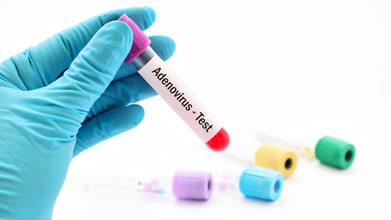
Adenovirus Cases Rise In UK, Health Authorities On Alert
Credits: Canva
Adenovirus, or what some people are calling the mystery disease is going to be the next worry in the UK, after superflu had already grappled the healthcare system. Along with H3N2 and its variant superclade K, people are now worrying about this mystery disease.
Adenovirus is highly contagious and causes mild cold or flu-like symptoms, though severe cases could lead to stomach flu and vomiting. Many describe this virus as 'heartier' than others. The reason is that the virus can survive longer on surfaces and even resist the common disinfectants used. This is what makes it highly transmissible.
Is There Any Treatment For Adenovirus?
As of now, there is no treatment for adenovirus, it could however be managed and monitored. What helps is regular handwashing and thorough cleaning of surfaces.
The good news is that cases of adenovirus are actually dropping in the UK, as confirmed lab reports. The cases last week were 1.2 per cent, whereas the week prior, it was at 1.7 per cent, as also reported by the Independent.
What Are The Symptoms Of Adenovirus?
While a lot of the symptoms mimics of those in flu or COVID, including shortness of breath, a sore throat and or a runny nose. However, there are certain unique symptoms of adenovirus that include:
- Diarrhea
- Pink Eye or conjunctivitis
- Ear infection or otitis media
- Swollen lymph nodes
- Pneumonia
- Stomach pain
- Nausea
- Vomiting
Other rare symptoms could also include impact on your bladder or nervous system. As viruses in your bladder can also cause urinary tract infections, and the same virus in your nervous system can cause condition that can affect your brain. These conditions also include encephalitis and meningitis.
The symptoms usually start to subside within two days, however, if the symptoms stay even after three days without any relief, it might be a red flag. The best thing to do during such a situation is to go consult your GP.
Also Read: Unique Symptoms Of Mysterious Adenovirus And How Long Infection Now Last
Is Adenovirus Spreading Faster Than Flu and Covid?
Experts have noted that due to its ability to stay longer in the environment and being highly transmissible, it is in fact, spreading faster than flu and COVID. Eric Sachinwalla, Jefferson Health's medical director said that this virus is still unfamiliar and thus not much can actually be done to treat adenovirus. Speaking to PhillyMad, he said, "It is pretty contagious because it is heartier than other viruses - soap and water, or everyday disinfectant, won't kill it, so it tends to live in the environment longer."
What Are The Ways To Stay Safe From Adenovirus?
Since adenovirus spreads through close contact and is resistant to many everyday disinfectants, hygiene remains the key. The best way to stay safe is by avoiding close contact, especially with those who are unwell. You may also keep an eye on your symptoms, including your body temperature and take steps to prevent the virus from spreading by taking precautions, as well as getting the flu jab.
Zepbound Outperforms Other Weight Loss Drugs, More Details Inside
Credits: Canva
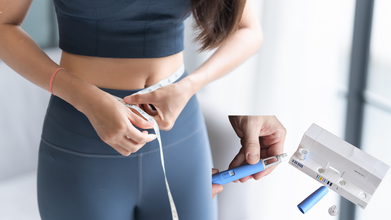
The weight loss drug competition has gotten more serious as a late-stage clinical trial compared two next generation obesity drugs and found Eli Lilly's Zepbound to produce greater result in weight loss than Novo Nordisk's much-anticipated CargiSema. The new Novo Nordisk drug was once projected to redefine the treatment landscape.
As a result, Novo Nordisk's shares have dropped by 16 per cent. However, the outcome is not just significant because of market reaction, but also because these medicines are now shaping how doctors treat obesity, a chronic disease affecting more than one billion people worldwide. The results suggest the next phase of weight-loss therapy will be decided less by hype and more by real world effectiveness.
Zepbound Outperforms Other Weight Loss Drugs: What Did The Comparison Reveal?
In the head-to-head study, patients taking CagriSema lost an average of 23 per cent of their body weight after 84 weeks. Participants treated with tirzepatide, sold as Zepbound for obesity and Mounjaro for type 2 diabetes, lost 25.5 per cent.
The gap may appear small but in clinical medicine it matters. The trial’s primary goal was to prove the new Novo Nordisk therapy was at least not inferior to tirzepatide. It failed to meet that benchmark.
Earlier trials had suggested CagriSema might rival or even surpass existing GLP-1 based drugs. However, those studies did not directly compare the medicines against each other. This time the comparison was unavoidable.
Zepbound Outperforms: Why These Drugs Matter Beyond Weight Loss
Modern anti-obesity medicines do more than reduce body fat. Doctors increasingly prescribe them to lower the risk of heart disease, diabetes complications, sleep apnea and fatty liver disease.
Zepbound belongs to a newer class of dual-action hormone therapies. It mimics both GLP-1 and GIP hormones, which regulate appetite, insulin response and metabolism.
CagriSema uses a different strategy. It combines semaglutide, the active ingredient behind earlier blockbuster treatments, with an experimental molecule called cagrilintide that targets hunger signals from another pathway.
Researchers hoped attacking appetite through multiple mechanisms would produce stronger results. The trial showed improvement but not enough to surpass tirzepatide.
Zepbound Outperforms Other Weight Loss Drugs: Did The Trial Design Effect The Outcome?
Novo Nordisk executives said the study’s open label design may have influenced results. Participants knew which drug they were receiving, which could lead to behavioral bias.
Doctors often see adherence improve when patients believe they are taking a proven therapy rather than an experimental one. The company suggested familiarity with tirzepatide may have worked in its favor.
Still, clinical researchers generally consider head-to-head trials the most reliable way to evaluate competing treatments. Even accounting for bias, the data indicates tirzepatide currently delivers slightly greater sustained weight reduction.
Zepbound Outperforms Other Weight Loss Drugs: What Does This Mean For Obesity Treatment Race?
The study highlights a shift happening in obesity care. The first generation of GLP-1 drugs proved weight loss medications could achieve double digit body weight reduction. Now companies are competing over incremental but clinically meaningful gains.
For patients, even a two to three percent difference can affect blood sugar control, blood pressure and long term cardiovascular risk. It can also influence insurance coverage decisions and treatment guidelines.
Novo Nordisk still plans to bring CagriSema to market and has filed for regulatory approval, with a decision expected by late 2026. The company is also studying higher doses and alternative dosing strategies to maximize effectiveness.
PM Modi In Mann Ki Baat Highlights Growing Awareness Of Organ Donations In India

Credit: X
Prime Minister Narendra Modi, in his latest episode of Mann Ki Baat, highlighted the growing awareness of organ donations in India.
The Prime Minister lauded people who have undertaken such noble deeds.
According to the latest data from the Ministry of Health and Family Welfare, India has recorded a fourfold surge in organ transplants over the last decade. From less than five thousand in 2013, organ transplants in the country jumped to nearly 20 thousand in 2025.
“Awareness about organ donation is steadily rising in India these days. This is helping those who are in need of it. It is also strengthening medical research in the country. Many organizations and individuals are doing extraordinary work in this direction,” the PM said in the 131st episode of the monthly radio program.
The Prime Minister also paid tributes to 10-month-old Aalin Sherin Abraham, from Kerala, who lost her life in an accident but gave life to five people to become the youngest organ donor in the state.
“There is no greater sorrow for any parent than losing one’s own child. The pain of losing a very young child is deeper. Just a few days ago, we lost Aalin Sherin Abraham, a little innocent girl from Kerala. She left this world at the age of just 10 months.
PM Modi said even amidst "profound pain", Aalin's father, Arun Abraham, and mother, Sherin, decided to donate her organs.
"While on the one hand, they grieved the loss of their daughter, on the other, they were also filled with a spirit of helping others," PM Modi said.
“Aalin Sherin Abraham is no longer with us, but her name has joined the ranks of the nation's youngest organ donors,” he added.
He also mentioned the names of organ recipients -- Lakshmi Devi from Delhi, Gaurang Banerjee from West Bengal, and Ramdev Singh of Sikar, Rajasthan -- who, after receiving the transplants, got a second chance at life.
“You will come across many such inspiring examples. This proves once again that a single noble act can change the lives of countless people. I heartily commend all those who have undertaken such noble deeds,” the Prime Minister said.
Where Does India Stand In Terms Of Organ Transplants?
The National Organ and Tissue Transplant Organization (NOTTO) has recorded an unprecedented progress in organ donation, allocation, and transplantation across the country.
As per the Health Ministry, about 18 per cent of transplants are currently being performed with the organs donated from deceased donors.
In 2025 alone, more than 1,200 families came forward to donate organs of their loved ones after death. Each donor is now also a multiorgan donor, transforming the lives of many.
Since September 2023, more than 4.8 lakh citizens have registered to donate organs and tissues after death through an Aadhaar-based verification system.
Notably, India has also achieved competence in performing difficult organ transplants like the heart, lungs, and pancreas.
The country also leads the world in hand transplants and performs a greater number of hand transplants than any other country.
Zimbabwe Among the First African Countries to Roll Out Breakthrough HIV Injections
Representational Image (iStock and Canva)
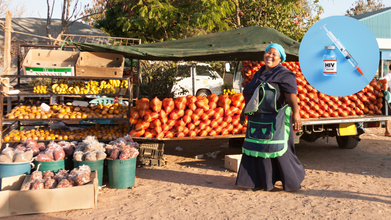
Women, young ones and ones holding their babies, along with some men lined up on the outskirts of Zimbabwe's capital Harare for the injections of a new HIV prevention drug. The country launched it on Thursday. This drug needs to be administered only twice a year.
Why Is This Vaccine So Important For Zimbabwe?
Zimbabwe is a country where HIV led to tens of thousands of deaths in the last two decades. It is the first country to roll out lenacapavir, which is a long-acting drug that authorities have put their hopes on to slow down the HIV infection.
Also Read: Hangover Star Ken Jeong's Wife Beats Stage 3 Breast Cancer
What Is So Special About The HIV Injections?
Clinical studies have demonstrated near-total protection for the drug and has been described as a 'turning point' for high risk groups by many experts. However, many have warned that its broad impact would require overcoming funding constraints, infrastructure gaps and the challenge of keeping patients engaged.
Immunologist at Emory University Rama Rao Amara, calls it a "wonder drug". The drug, known as lenacapavir has been approved by the Food and Drug Administration (FDA) and is made by Gilead Sciences.
How Does This Drug Differ From Earlier HIV Prevention Drugs?
In 2021, FDA approved injectable form of PrEP medication called cabotegravir, however, this required patients to take it in every two months. This was also an intramuscular dose that healthcare providers were to administer into the buttocks.
What changes with lenacapavir is its easy administration. Each dose lasts longer compared to other medications and requires to be administered twice a year.
Read: 12.4 Lakh HIV Tests In Haryana Detect 5,877 Cases
The limitation with lenacapavir is its price tag of more than $28,000 per person per year. Carmen Pérez Casas, a senior strategy leader at Unitaid, a global health initiative based in Geneva, Switzerland said, "This is unaffordable. We need to get somewhere close to what previous options cost."
However, there is hope as the researchers published an analysis in The Lancet HIV that suggested generic versions of this drug could cost a person $25 per year.
Could This Drug Reshape HIV Prevention?
At the Zimbabwe launch, Constance Mukoloka, a sex worker, was among the first beneficiaries of this roll out which has happened by donor-support across 10 African countries, as reported by PBS News.
"I am safe, I can work with confidence now," said the 27-year-old sex worker. "When I took tablets, customers would see a container of pills and leave. They would never return due to fear," she said. "They couldn't tell the difference between PrEP and treatment drugs. With the work we do, that stigma costs you money."
Daily oral PrEP has been offered in Zimbabwe for years, along with condoms, vaginal rings and shorter-acting injections. However, sticking to the regimen has been difficult, especially for people dealing with stigma or irregular daily routines.
"I work in beer halls looking for clients. Sometimes I would get drunk and forget to take my drugs," Mukoloka said. "Sometimes I would work all night and not have time. Some clients refuse protection. They say ... 'Why should I use protection when I have paid?'"
- Follow Us :


© 2024 Bennett, Coleman & Company Limited