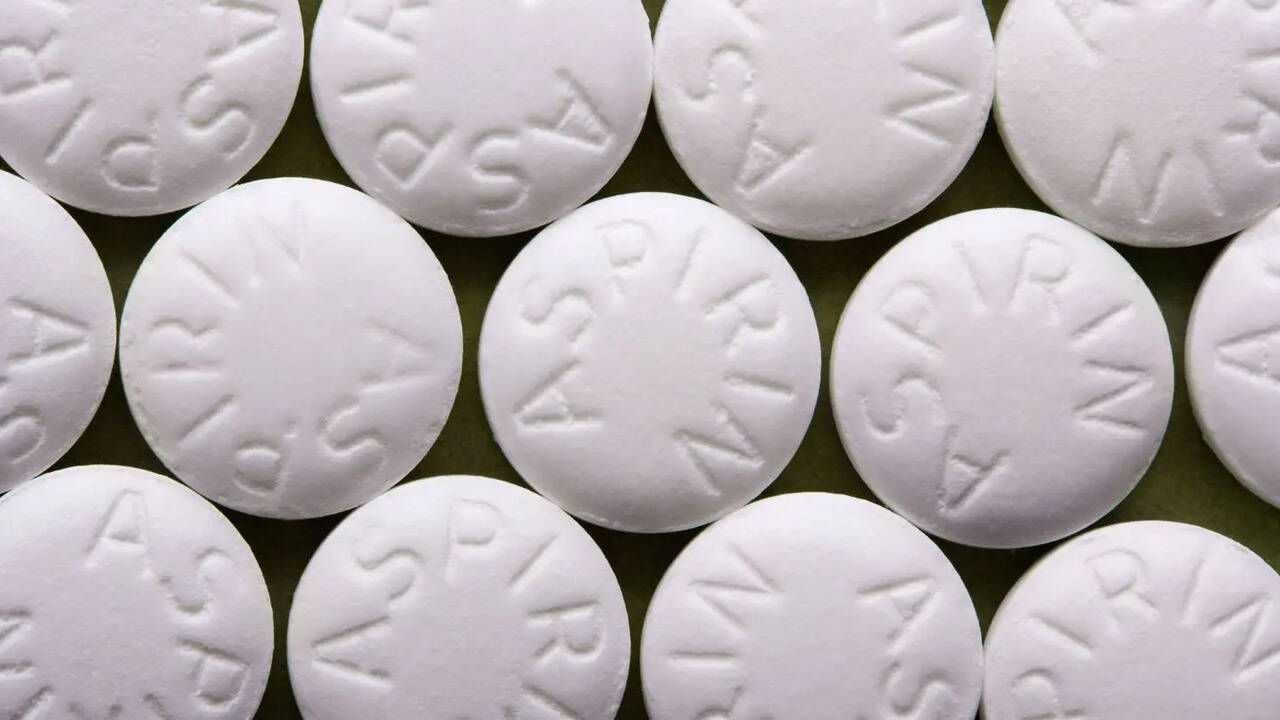
Pharmacies across Britain are reporting serious shortages of a widely used medication, raising concerns that patients could face a higher risk of heart attacks and strokes. Pharmacists have described the situation as “madness,” warning that current NHS prescribing rules are stopping them from switching patients to suitable blood-thinning alternatives when aspirin is unavailable.While aspirin is commonly taken as a pain reliever, it is also prescribed as a blood thinner. Around one-third of women and nearly 45 percent of men over the age of 65 rely on it as part of their daily medication routine.Aspirin Shortage Hits UK PharmaciesA new survey conducted by the National Pharmacy Association (NPA), involving 540 community pharmacies across the UK, found that 86 percent are currently unable to supply aspirin. The shortage appears to be most severe for the low-dose 75mg tablets, although pharmacists report that all strengths are affected. Several pharmacies have also stopped selling aspirin over the counter due to limited stock.As per The Independent, Olivier Picard, chair of the NPA, said pharmacists are deeply concerned about their inability to order sufficient supplies and the impact this could have on patients who depend on the drug. Low-dose aspirin, particularly the 75mg dose, is commonly prescribed for its antiplatelet effect, which helps prevent the formation of blood clots and lowers the risk of heart attacks and strokes.Who Is Prescribed Aspirin?Doctors often prescribe aspirin to people who have previously suffered a heart attack or stroke, experienced a transient ischaemic attack, or have conditions such as angina or peripheral arterial disease (PAD). It may also be recommended after certain types of surgery to reduce the risk of clotting.Aspirin: Why Is UK Facing A Shortage?The NPA is urging the government to reform prescribing regulations that currently prevent pharmacists from offering safe alternatives when the prescribed medicine is unavailable. Mr Picard said pharmacists have long argued for the ability to make appropriate substitutions in these situations.He added that forcing patients to return to their GP for a revised prescription when an alternative drug is already available is not only frustrating but potentially dangerous. Delays or interruptions in treatment could lead patients to miss vital medication, increasing risks to their health.Aspirin Added To Export Ban ListIn response to the ongoing issue, the Government has added aspirin to its export ban list in an attempt to safeguard supplies for patients in the UK.The NPA also said pharmacists have been forced to tightly ration the remaining stock, prioritising patients with the most urgent heart conditions or those requiring emergency prescriptions.According to the Independent Pharmacies Association, international manufacturing delays and wider supply chain disruptions are key reasons behind the shortage. The organisation also pointed to low prices negotiated by the NHS, which can make the UK a lower priority for pharmaceutical manufacturers when stock is limited.Dr Leyla Hannbeck, chief executive of the Independent Pharmacies Association, said it is deeply concerning to see shortages affecting essential medicines such as aspirin and blood pressure treatments. She explained that while manufacturing delays play a role, pharmacies are also struggling because they cannot order the quantities they need.She added that low reimbursement rates mean manufacturers often prioritise other countries, leaving the UK at the back of the queue. In the meantime, patients affected by shortages are advised to speak to their local pharmacist, who can offer guidance on suitable alternatives where available.Aspirin Rising Prices Add Pressure On PharmaciesThe shortage has also led to sharp price increases in pharmacies that have managed to secure supplies. The NPA said the cost of a packet of 75mg dispersible aspirin tablets has risen from 18p earlier last year to £3.90 this month.However, the NHS reimbursement rate remains at £2.18 per packet, meaning pharmacies lose an average of £1.72 every time the medication is dispensed. Mr Picard said this is yet another sign of a pharmacy contract system that urgently needs reform.