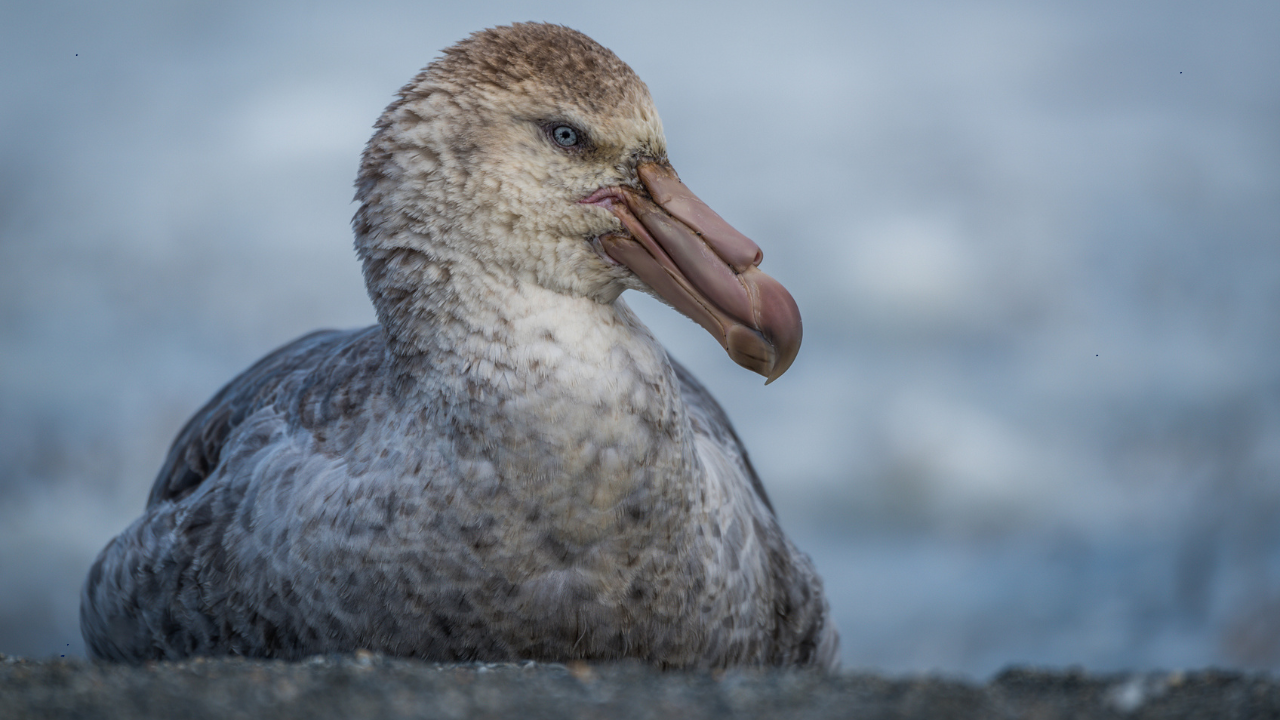
Health officials in Australia have confirmed two more suspected cases of H5 bird flu in migratory birds in Western Australia and New South Wales.The latest detections take the total number of cases to five in Australia, which is no longer H5-free. The first two cases were reported in Western Australia. The third case of avian influenza was recorded in a giant petrel found at Knights Beach on the Fleurieu Peninsula.H5 Detected in New South WalesABC News reported that samples taken from a giant petrel near Hawks Nest on the NSW Mid North Coast tested positive for the influenza strain in preliminary testing.NSW Agricultural Minister Tara Moriarty said the bird was wild and had flown in from "other parts of the world" after being identified by a member of the public who noticed it was ill."We don't know yet if it is the worst strain of the virus," she said.Samples from the bird at NSW's Bennetts Beach have been sent to the national testing laboratory in Geelong to determine the strain after being assessed by veterinarians and testing positive for H5 at an agricultural institute in Sydney's Camden."We expect to have the results of that at some point tomorrow," Moriarty said.The NSW Government said it marks the first wild migratory seabird in the state to return a suspected positive result.Also read: Australia Reports H5 Bird Flu In Second State; Can It Spread to Humans? H5 Confirmed in PerthAuthorities in Western Australia confirmed H5 in a dead giant petrel found near Mullaloo in Perth's north. It is the first time the infection has been detected in the Perth metropolitan area.The other WA cases were detected at Quindalup, about 250 kilometres south of Perth, and at Esperance, about 700 kilometes south-east of Perth in the Great Southern region.Does H5 Have Pandemic Potential?The NSW Government said that, at this stage, bird flu has not been detected in commercial poultry flocks, captive birds or any other birds in NSW. There is no evidence of mass mortality in wildlife or spread to other animals."This strain of avian influenza has had significant impacts overseas, causing widespread mortality in poultry, wild birds and some mammals," it said, urging the public to remain vigilant and report any sick or dead poultry, wild birds or wildlife.Read More: Australia’s H5N1 Detection Marks End Of Last Virus-Free ContinentProfessor of Immunology at Murdoch University Cassandra Berry said the detection of the H5 subtype in Australia "doesn't necessarily mean that the next pandemic has started", newsGP reported."Contraction of H5N1 influenza in humans usually requires close contact with sick or dying birds. So, it is cautionary to be alert and stay away from distressed birds," she said."Although human-to-human transmission has occurred in other countries, it is rare. Bird-to-human transmission has been associated with a high fatality (~60%). There have been nearly 1,000 cases of human H5N1 infection reported over the last three decades, since H5N1 jumped the species barrier in 1997," the expert said.GPs Urged to Stay AlertThe Royal Australian College of General Practitioners (RACGP) has urged GPs across Australia to "remain on alert and vigilant of their patients."The cases mark the first time this H5 subtype (H5N1 clade 2.3.4.4b) has been detected in animals in Australia.Globally, the subtype has caused mass mortality in poultry, wild birds and sea mammals.READ: Hantavirus Outbreak Linked To Luxury Cruise Ship Over, Says WHOThe Federal Government and the Australian Centre for Disease Control (CDC) have also updated their advice, while confirming that "the risk to human health remains low.""Bird flu in people is rare and often mild but can cause severe disease or death. Spread from person-to-person is very rare," the CDC said."There have been no human cases of bird flu caused by influenza A virus subtype H5N1 clade 2.3.4.4b in Australia."RACGP President Dr Michael Wright said it is important that GPs remain vigilant. "Now the virus has arrived, it needs to be put on GPs' radar," he told newsGP. "If you see someone potentially who has been handling these birds, particularly in WA, we need to be on alert."Symptoms of H5 Bird Flu in HumansAccording to the CDC, while some infected people have no symptoms, others may experience:FeverCoughSore throatRunny noseConjunctivitisMuscle aches and painsHeadacheFatigueGastrointestinal symptomsSymptoms can range from mild to severe and usually begin one to 10 days after infection.People can become infected by breathing in contaminated dust or air, or by touching an infected animal, its body fluids, or contaminated surfaces and then touching their eyes, nose or mouth.