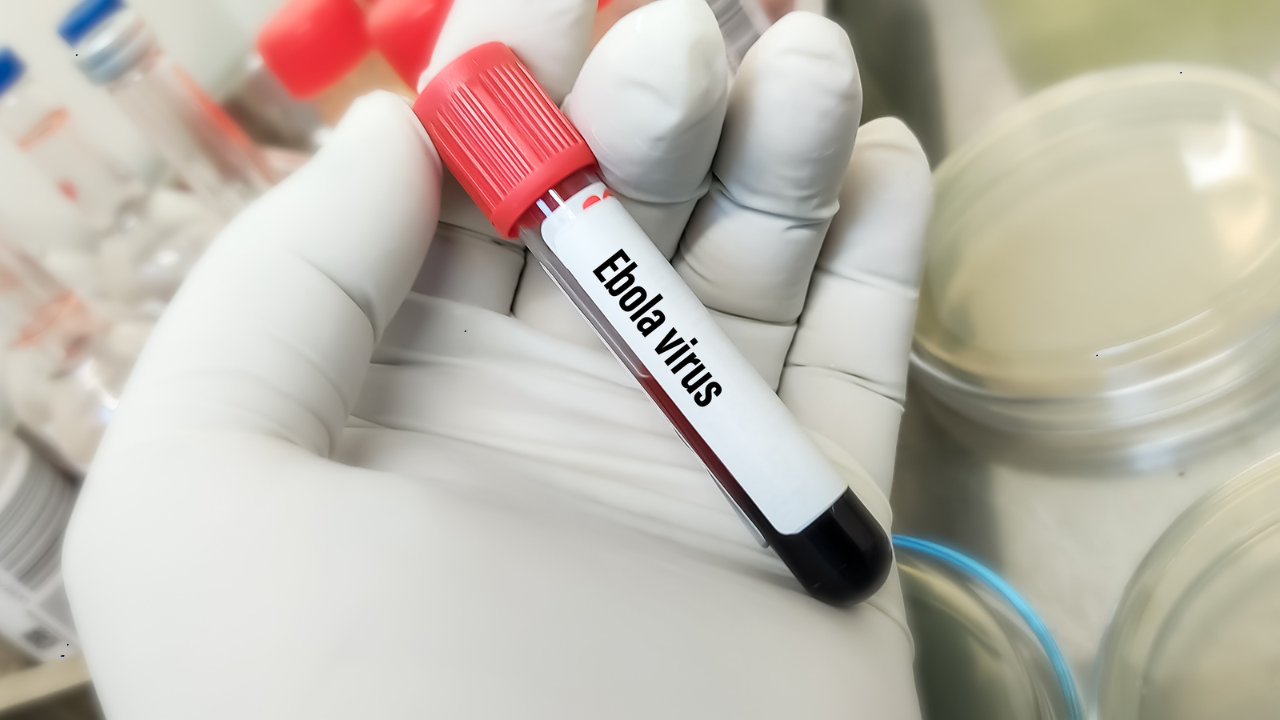
Cases of the highly infectious and deadly Ebola virus have crossed over 900 in the Democratic Republic of Congo and Uganda, the World Health Organization said. The outbreak has been identified as caused by the rare Bundibugyo strain, which differs from other known ebolaviruses, such as Zaire ebolavirus and Sudan ebolavirus. It also has no treatment or vaccine. The death toll due to the disease has also reportedly surged over 200. "As surveillance efforts have been scaled up in the #DRC #Ebola response, more than 900 suspected cases have been identified so far, including 101 confirmed cases,” Tedros Adhanom Ghebreyesus, Director-General of the World Health Organization (WHO), shared in a post on social media platform X. "In Ituri province, the epicenter of the outbreak, nearly 5 million people live amid ongoing conflict. Today, 1 in 4 people are in need of humanitarian assistance, and 1 in 5 are internally displaced," he added. Ebola Outbreak: 10 countries at risk The ongoing Ebola outbreak is the 17th outbreak of Ebola virus in the Democratic Republic of the Congo. It is also the third recorded due to the rare Bundibugyo strain. The outbreak, which has also spread to Uganda, has been declared a Public Health Emergency of International Concern (PHEIC) by the WHO.According to the African Union's health agency, more countries on the continent are at risk of being affected by the Ebola virus. "We have 10 countries at risk," said Jean Kaseya, head of the Africa Centres for Disease Control and Prevention (Africa CDC), listing the following:Angola Burundi Central African Republic Republic of Congo Ethiopia Kenya Rwanda South Sudan Tanzania Zambia. Kaseya noted that "high mobility and insecurity" in the region were helping spread the disease. Another reason for the spread is the ongoing violence against healthcare workers. The WHO chief has also voiced out concerns of violence in affected countries that is "forcing people to flee, including health and humanitarian workers". Last week, the Rwampara health centre was stormed by a group of angry residents demanding the bodies of relatives who had died from Ebola, according to local sources. A day later, a tent provided by Doctors Without Borders, also known by its acronym MSF, at a hospital in Mongbwalu in Ituri province was set on fire.The adverse conditions has also displaced people, further increasing the transmission of the virus in crowded relief camps. Tedros noted that "this is severely impeding efforts to scale up Ebola contact tracing and identify infections early enough to provide supportive care. Ongoing insecurity and fear are also fueling mistrust within communities". Also read: Bundibugyo Ebola: Scientists Investigate Spillover EventWhat Is Ebola?Ebola is a severe and, in most cases, deadly disease caused by viruses predominantly found in Africa. The spread of the disease happens through contact with infected body fluids. Some symptoms can indicate a possible infection. This includes fever, weakness, headache, muscle pain, vomiting, diarrhea, sore throat, and unexplained bleeding. This eventually leads to severe complications like bleeding, organ failure, and death. The hosts of the virus are animals like bats, primates, and antelopes. WHO Says Vaccine Could Take Months Meanwhile, the WHO says it could take up to nine months before a vaccine against this particular species of Ebola is ready. Two possible "candidate vaccines" against the Bundibugyo species are being developed, but neither has gone through clinical trials yet, WHO advisor Dr. Vasee Moorthy said, according to the BBC.