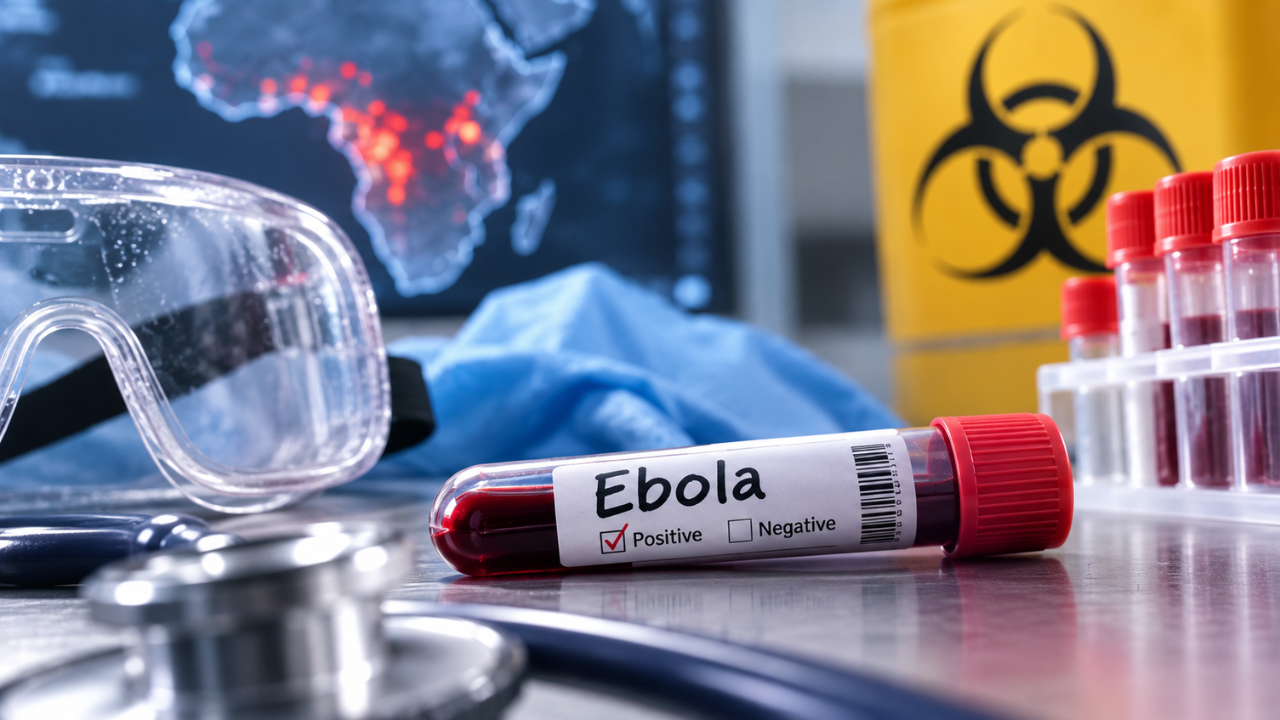
The Ebola outbreak in the Democratic Republic of Congo (DRC) is showing no signs of slowing down. Without an approved vaccine or course of treatment, the number of deaths due to the disease has reached 3,007, with 6,186 confirmed cases as of August 31. The mortality rate remains close to 50%. Declared in mid-May, the outbreak has now spread across 60 health zones in six provinces. Ituri, the epicenter of the outbreak, accounts for 81.9% of confirmed cases. The gravity of the Ebola outbreak in DR Congo has sparked a fresh alert from the World Health Organization (WHO) after its Director-General Tedros Adhanom Ghebreyesus said that the response has to move faster than the outbreak to contain or slow the transmission. WHO Warns Ebola Transmission Chains Are Still Being Missed Speaking in Geneva, Tedros said the biggest challenge still remains in identifying every chain of transmission. He said, “Until every chain is found and broken, the epidemic will continue and will continue to pose a threat to DRC, its neighbours and the region as a whole,” he said. Many people who have died were not known contacts of previously identified Ebola patients. This suggests that some chains of transmission are still going undetected, increasing the risk of further transmission. The CDC has also warned that the response efforts needed to contain the outbreak remain below established targets. It said that 80% of new cases are occurring outside known contact networks.Also read: Ebola Bundibugyo Virus: American Health Worker Had 10x Higher Viral Load In Throat Than Blood Why The Response Is Slow? The response is currently being affected by internal conflict, poor infrastructure, attacks on health facilities and healthcare workers, and difficulties in carrying out safe burials. More than 40 health workers have reportedly died from Ebola during the response. The WHO and DRC government are also facing a major shortfall in funding. The Congolese response plan is seeking $1.3 billion in international funding. WHO said it has shipped 320 tonnes of supplies and increased testing capacity to about 3,000 tests a day, but additional funding is needed. It said that the capacity of treatment centres also needs to be expanded. UN humanitarian chief Tom Fletcher similarly warned that the response is being outpaced by the epidemic. “Unless we scale up urgently, more lives will be lost and the threat will grow,” Fletcher said.Also read: Ebola Outbreak In DR Congo Records Its Highest Weekly Death Tolls Yet, With More Than 300 Deaths Ebola Response Is Also Affecting Schools The outbreak is also affecting the country's education system and children's safety. More than 1,000 schools in Ituri are classified as being in Ebola “red zones”, meaning areas with active transmission or high risk. Authorities had initially planned to replace classroom teaching with worksheets and radio and television lessons in these areas. But schools have reopened this week after authorities argued that prolonged remote learning could affect the students' aptitude. Officials said distance learning would be introduced if a case was detected in a school. Additionally, precautionary measures are being taken to keep the children safe. Steps Taken To Contain Ebola Outbreak In DR Congo The current Ebola outbreak is being caused by Bundibugyo virus, a species for which there is no vaccine or treatment. The Ervebo vaccine, licensed against Zaire ebolavirus, not Bundibugyo, is being deployed among frontline workers. WHO says it is not yet known whether the vaccine provides clinically meaningful protection against Bundibugyo.An initial 70,000 doses of Ervebo have been approved for release to the DRC. Of these, 20,000 are intended for a Phase 3 clinical trial examining its efficacy on Bundibugyo, while 50,000 are intended for frontline and healthcare workers. Apart from that, more than 300 Ebola patients have been enrolled in trials of two treatments, while the antiviral drug obeldesivir is being studied among high-risk contacts to determine whether it can prevent illness after exposure. Two new vaccines specifically targeting Bundibugyo virus are also being tested in safety trials in the UK and Canada. WHO hopes efficacy trials in the DRC could begin in October or November.