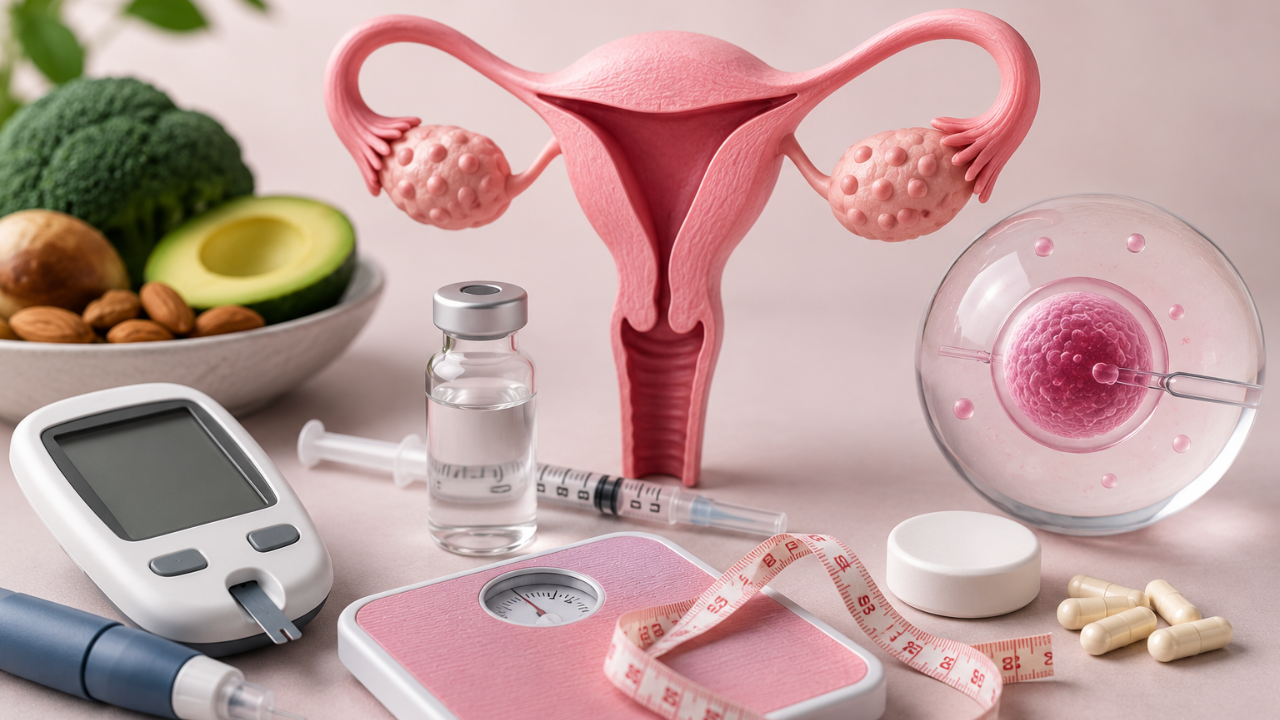
For many women, polycystic ovary syndrome (PCOS) begins with a familiar story—irregular periods, acne, unwanted hair growth or difficulty conceiving. But PCOS is far more than a reproductive disorder. At its core, it is often a complex interplay between metabolism, hormones and reproductive health.One of the most important, yet frequently overlooked, pieces of this puzzle is insulin resistance. When the body becomes less responsive to insulin, the pancreas compensates by producing more. Elevated insulin levels can, in turn, contribute to increased androgen production by the ovaries and disrupt the delicate hormonal signals required for regular ovulation. The result may be irregular cycles, fewer ovulations and, for some women, difficulty becoming pregnant.PCOS And Insulin Resistance Can Affect Women Of Any WeightImportantly, PCOS and insulin resistance are not synonymous with obesity. Women with a healthy body weight can also have significant metabolic abnormalities. This is why judging metabolic health by appearance alone can be misleading. The 2023 International Evidence-based PCOS Guideline recognises insulin resistance as an important underlying feature and recommends attention to metabolic risk across the weight spectrum. Also read: Decoding The Fertility MarkersThe Metabolic Risks Go Beyond FertilityThe metabolic implications extend well beyond fertility. Women with PCOS have a higher risk of impaired glucose tolerance and type 2 diabetes, making long-term metabolic surveillance an important part of care. The guideline recommends appropriate glycaemic assessment, particularly when pregnancy is being planned or fertility treatment is being considered. Also read: Can Regular Consumption of Junk and Processed Food Affect Fertility?Building A Healthier Foundation For Pregnancy Yet there is an equally important message of hope: PCOS does not mean infertility, nor does it have to define a woman’s health journey. Lifestyle interventions—including regular physical activity, nutritious eating, adequate sleep and sustainable weight management where appropriate—form the foundation of care and can improve metabolic health.For a woman planning pregnancy, the goal should not simply be to “get pregnant.” It should be to enter pregnancy metabolically and emotionally healthier, with blood sugar, blood pressure, nutrition, lifestyle and other risk factors appropriately addressed.Take-home message: PCOS is not merely about irregular periods or cysts on the ovaries. It is a lifelong condition in which metabolic health and reproductive health are deeply connected. Recognising insulin resistance early, looking beyond weight, and providing personalised care can help women protect both their fertility today and their health for years to come.