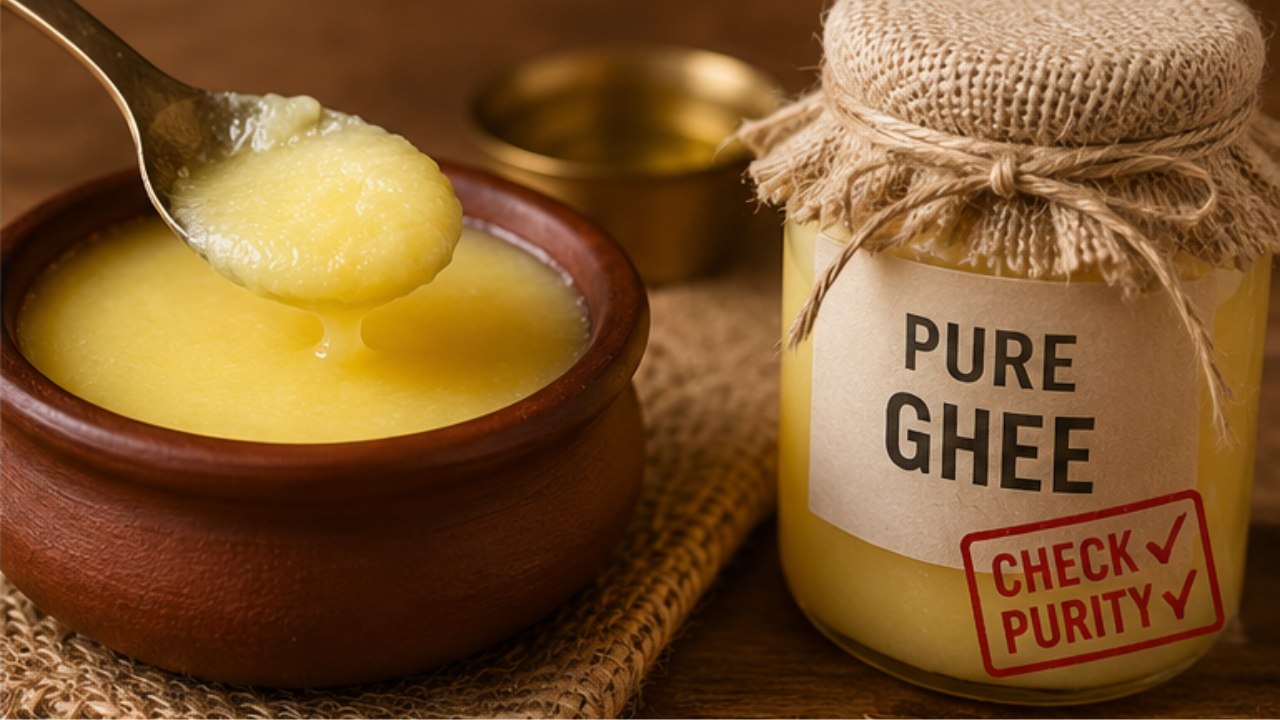
The Food Safety and Standards Authority of India (FSSAI) has to stop the sale of all variants of ghee manufactured by Daman-based SDP Industries, after laboratory tests found signs of adulteration and violation of food safety standards. The move came after an inspection conducted on May 19. FSSAI said multiple samples were found adulterated, with laboratory analysis detecting β-sitosterol, a plant sterol that should not be present in genuine ghee. The samples also contained abnormalities in fatty-acid composition. The food regulator has prohibited the manufacture, storage and sale of the company’s ghee products from its authorised premises until further orders. The products include brands like SHRADDHA, SHREE SARAS and GOKUL. Adulterants In Ghee Samples As pure ghee is made from milk fat, the presence of β-sitosterol is a red flag as it is a plant sterol. FSSAI said its detection, together with the abnormal fatty-acid profile, indicated the presence of vegetable fats in ghee touted to be "pure". The latest action is not based on a single sample. FSSAI said that surveillance samples collected in 2024 and January 2026 had also shown non-compliance with critical parameters, including β-sitosterol, fatty-acid profile, B.R. reading and R.M. value. Also read: ₹5 Crore Fake Medicine Racket Busted Near Bengaluru: Why Counterfeit Drugs In ICUs Are A Major Health Risk Adulterated Ghee Is A Huge Health ConcernThe health impact of adulteration depends on what has been added to or substituted for the ghee. Vegetable oils and other fats used in adulterated products may negatively alter the nutritional composition of the food. Some counterfeit products may also contain poor-quality, repeatedly heated or improperly processed oils and other non-food-grade substances. Regular consumption of unhealthy fats can contribute to an overall diet high in saturated or trans fats, which may adversely affect cholesterol levels and cardiovascular health. However, it is important not to assume that every adulterated ghee product will cause immediate poisoning or disease. The exact health risk depends on the adulterant, its concentration in the product and the amount consumed. At the recent action in Hyderabad, authorities there seized around 36 tonnes of adulterated ghee, raw materials and chemical additives after inspecting 130 establishments. Officials said the suspected adulterated ghee involved ingredients including palm oil, vanaspati, skimmed milk powder and starch. Also read: FSSAI Warns Influencers, Celebrities Of Legal Action Over Unverified Food Claims How To Spot Fake Ghee At Home? There is no reliable kitchen test that can establish whether packaged ghee is genuine. Colour, smell, texture and whether ghee melts quickly are not enough to confirm purity because manufacturers can easily manipulate these characteristics. Instead, consumers should look for: A valid FSSAI license number on packaged products Proper labelling, including manufacturer details and batch information An intact seal and packaging A realistic price rather than unusually cheap “pure ghee” Products purchased from established retailers or authorised sellers The FSSAI licence and product details being consistent with the manufacturer For suspected adulteration, laboratory testing is always the reliable method.