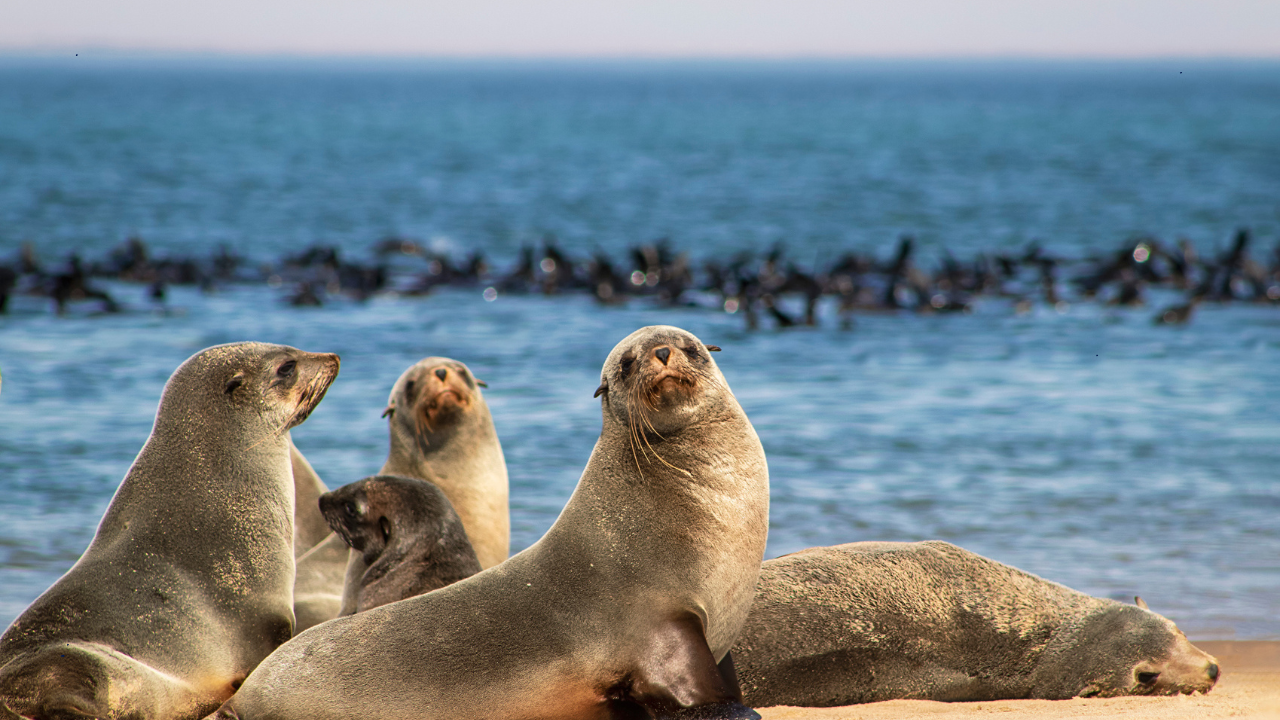
Australia, which has been battling rising cases of highly pathogenic avian influenza since June, has reported its first H5 bird flu detection in a mammal in South Australia.A seal found dead at Beachport, about 310 km (190 miles) south of Adelaide, was confirmed as the country’s first mammalian detection of H5 bird flu. The seal had no visible signs of injury. The authorities warned the virus could trigger more deaths among the species as it continues to spread.Also Read: Eli Lilly’s Foundayo Launched In UK: Is the GLP-1 Pill Better Than Wegovy, Mounjaro?Another suspected H5 detection has been reported in a long-nosed fur seal at Pages Conservation Park, a key breeding ground off Kangaroo Island. The case is yet to be confirmed. The site has also recorded a mass mortality event among birds.“Once the H5 bird flu is spreading in the natural environment, it is not possible to avoid significant losses,” federal Agriculture Minister Julie Collins said.H5 In Mammals: Are Humans Staring At A 'Catastrophic Pandemic'?Also read: Australia’s H5N1 Detection Marks End Of Last Virus-Free Continent H5N1 is a highly pathogenic strain of avian influenza that can spread rapidly among poultry and wild bird populations, causing severe disease and high mortality rates in birds.While human infections remain rare, they can occur through direct and unprotected contact with infected birds, animals, or contaminated environments.Bird flu viruses generally do not spread easily among humans. Even when a rare bird-to-human jump occurs, the virus has so far not been able to spread efficiently from human to human because it is not well adapted to human cells.Speaking to HealthandMe, Dr. Rajeev Jayadevan, former President of IMA Cochin and Convener of the Research Cell, Kerala, shared that since H5 virus is primarily adapted to birds, the obvious concern is whether it can adapt to mammals.While similar incidents globally in recent years are adding to the concern, he noted that infections in mammals show that the virus is taking steps towards infecting a wider range of living beings.Although risks to humans continue to be low, Dr Rajeev said that it is vital to “keep a close watch on this evolution". "If this virus hypothetically gains the ability to spread efficiently among human beings, we are looking at a catastrophic pandemic. What makes a human pandemic so devastating is that our immune systems have no prior exposure to this virus.”He noted that among the isolated human cases reported worldwide, the death rate is typically 50% or higher. "A typical scenario for a bird-to-man jump of the virus would be a child who comes into contact with a sick hen in the backyard, or a farmer who handles dead birds without precautions,” Dr Rajeev warned.How Can H5 Bird Flu Be Prevented?To prevent a future pandemic from this virus, the key thing will be to reduce opportunities for the virus to jump from birds to mammals—which is why mass culling of infected poultry remains a standard practice.Health authorities recommend the following precautions:Avoid direct contact with sick or dead wild birds and other animals whenever possible.Wear appropriate personal protective equipment (PPE) if handling sick or dead birds or animals is unavoidable.Avoid touching surfaces contaminated with bird droppings, saliva, mucus, litter, or bedding from infected or suspected animals.Do not consume raw milk or raw milk products, particularly from animals suspected or confirmed to be infected with avian influenza.Report sick or dead birds to local authorities if encountered.Australia’s Response To H5 Bird FluRead More: Australia Reports More H5 Bird Flu Cases: Does It Have Pandemic Potential? About 45% of Australia’s roughly 850 bird species are endemic, meaning they are found nowhere else on Earth, according to government data.To protect these, Australia has announced vaccination for its vulnerable native birds.“The priority species will be identified based on vulnerability to the H5 bird flu and the potential conservation impact,” Agriculture Minister Julie Collins said.