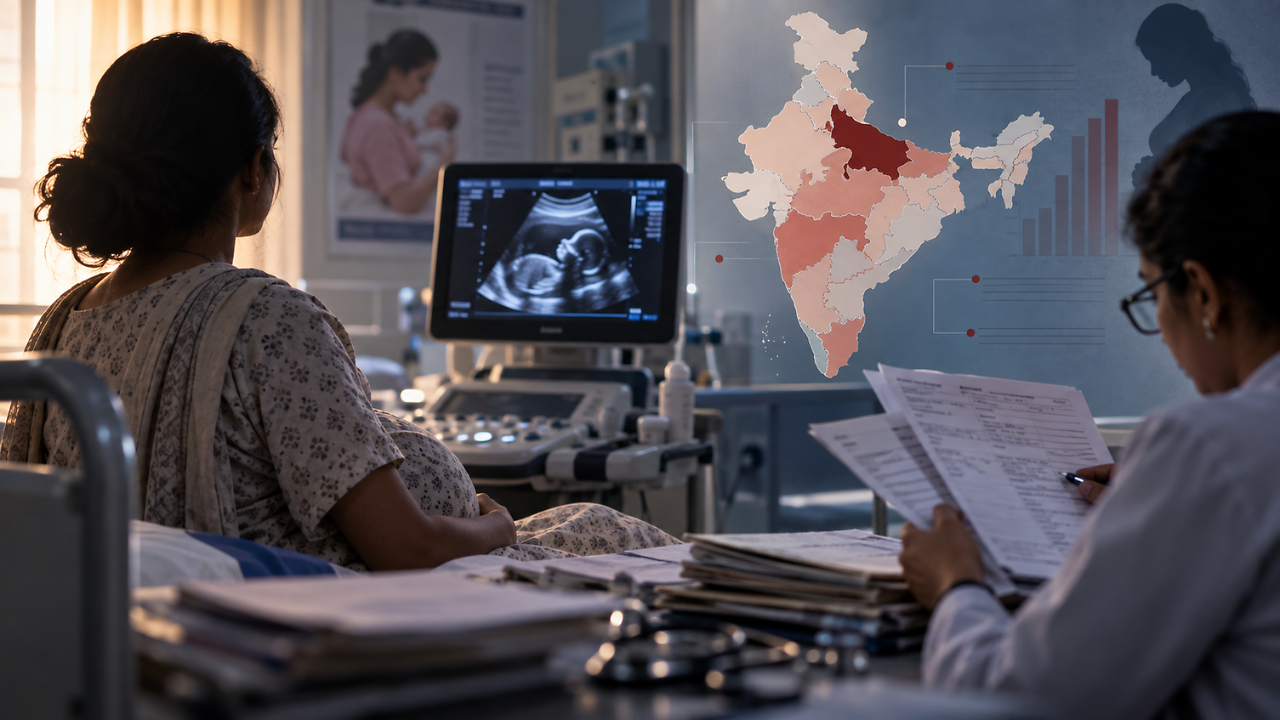
India’s burden of stillbirths may be larger than what existing official numbers suggest. A new study published in The Lancet Regional Health – Southeast Asia estimates that 565,900 babies were stillborn in India in 2023 when stillbirth is counted from 22 weeks of pregnancy onwards. That comes out to be roughly one stillbirth every minute. But when the count is restricted to 28 weeks or later, the estimate falls to 347,300. That gap of nearly 220,000 stillbirths has become the focus of the study, casting a doubt on the current method of counting and reporting. Researchers say India’s true burden of stillbirths is being underestimated as many earlier fetal deaths are being left out of the count. Definition Of Stillbirth Gestational Age Stillbirth does not have one universal gestational-age definition. The WHO’s ICD-11 definition uses 22 weeks of gestation or more, while India’s routine reporting and several international comparisons have traditionally focused on losses at 28 weeks or later. Even though the difference may sound like a technical detail, it changes how many deaths are counted and how many get left out of the database. The new study found that India's stillbirth rate was 25.9 per 1,000 births at 22 weeks or later, and 16.1 per 1,000 when only deaths at 28 weeks or later. In other words, using the latter threshold captured only part of the real picture. Researchers also found that the burden was not evenly distributed. Stillbirth rates varied more than four-fold between states, from 9.3 per 1,000 births in Mizoram to 38.2 per 1,000 in Uttar Pradesh. Uttar Pradesh and Bihar together accounted for nearly half of India's total estimated stillbirths.Also read: After Lindsay Clancy Trial, Massachusetts Pushes Stronger Postpartum Mental Health Screening India’s Numbers May Be Missing More Than BabiesThe researchers compared their estimates with India's Sample Registration System (SRS) and found substantial under-reporting. The national late-gestation stillbirth rate from SRS was 2.3 times lower than the GBD estimate. Earlier research has also highlighted the same problem. An analysis comparing India's National Family Health Survey with SRS found that the NFHS stillbirth rate was 2.6 times higher than the SRS figure between 2016 and 2020. Researchers have pointed to incomplete reporting, differences in gestational-age cut-offs and confusion between stillbirth and early neonatal death as possible reasons. The latest Lancet analysis therefore argues that better surveillance is essential, particularly with routine reporting from 22 weeks onwards.Also read: 22-Year-Old Frozen Embryo Produced A Healthy Baby: Does An Embryo Have An Expiry Date? What Is Stillbirth? Stillbirth is not caused by one single condition. Complications related to the placenta, fetal growth, maternal infections, hypertension, diabetes, congenital abnormalities and complications during pregnancy or labour can all contribute. Maternal anaemia is another risk factor that has been receiving attention lately. A large Indian study published in August 2026, involving nearly 220,000 pregnancies across 10 cohorts, found that moderate and severe maternal anaemia were associated with a higher risk of stillbirth after 28 weeks. The findings are particularly relevant in India, where NFHS-5 data showed that about 52% of pregnant women were anaemic. The study calls for stronger antenatal care, intrapartum monitoring, emergency obstetric services and strong healthcare systems, along with better data on the causes and risk factors behind stillbirth. As study author Rakhi Dandona wrote while discussing the research: “every stillbirth deserves to be counted, understood, and learned from.”