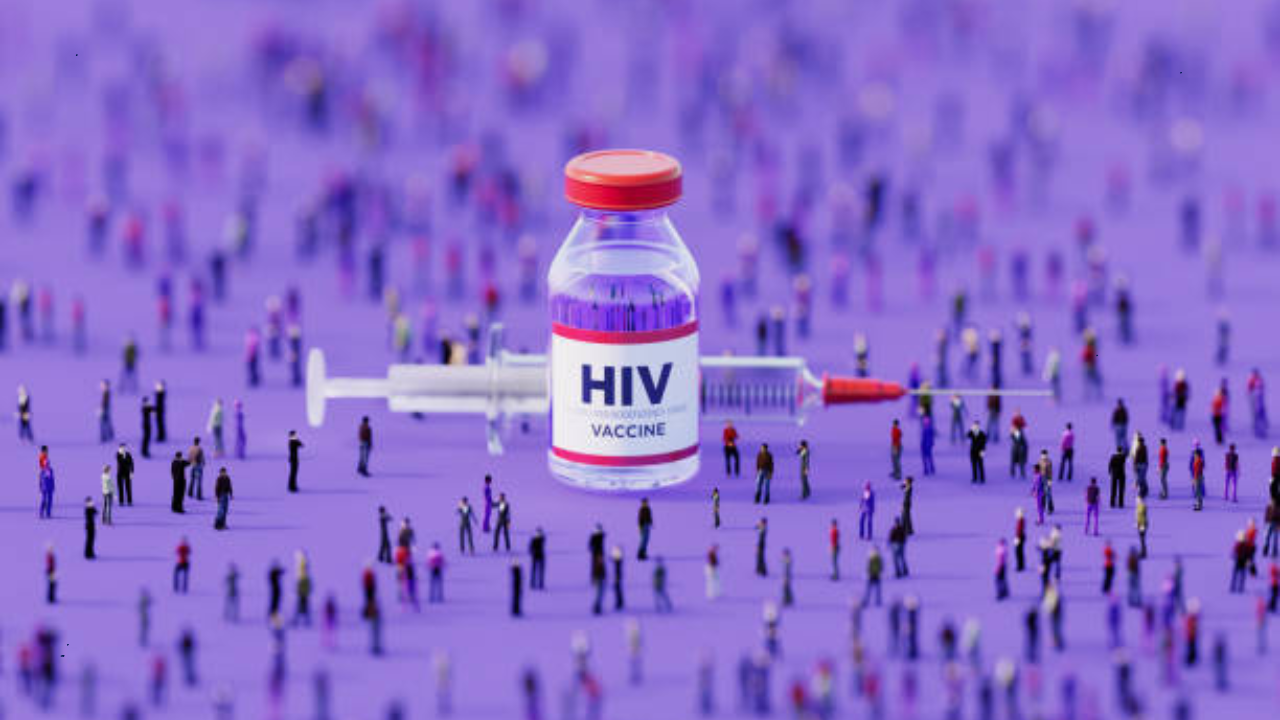
A team of US scientists has developed a new HIV vaccine that trains the immune system to overcome the virus's defenses, producing the strongest HIV-fighting antibody response ever reported in non-human primates.The vaccine, developed by researchers from La Jolla Institute for Immunology (LJI), Scripps Research, and IAVI, is the first to generate a high number of broadly neutralizing antibodies against HIV in primates. Human trials have now begun.“This feels like a huge success,” said LJI Professor and Chief Scientific Officer Shane Crotty.“We constructed a successful vaccine from the ground up, which required a deep understanding of the immune system.” The findings are published in the journal Nature.How Does The New Vaccine Work?The vaccine is designed to guide the body's B cells—the immune cells responsible for making antibodies. Normally, B cells begin in a naïve state and gradually mature after encountering a virus. As they mature, they continuously refine the antibodies they produce, improving their ability to recognize and neutralize the virus.Instead of waiting for this process to happen naturally, the new vaccine directs B cells through each stage of development.Also read: US Hospital Performs World's First HIV-to-HIV Lung Transplant, Offering Fresh Hope for HIV PatientsThe approach includes:A priming vaccine that activates naïve B cells.A series of booster shots that guide these cells toward producing broadly neutralizing antibodies capable of recognizing many HIV strains.“This series of vaccinations will guide, or ‘walk’, a B cell from its naive state to its broadly neutralizing state,” said LJI Instructor Patrick Madden.The scientists called this strategy germline targeting because it targets B cells before they begin their normal maturation process.Strong Results in Animal StudiesTo evaluate the vaccine, researchers tested it in rhesus macaques. The results showed:Around 44% of vaccinated animals produced broadly neutralizing antibodies against HIV.The antibody levels were unusually high compared with previous vaccine studies.The antibodies closely resembled those found in the small number of people who naturally develop broad protection against HIV.“We succeeded in taking ultra-rare antibody responses and turning them into common responses by the end of the vaccination process,” Crotty said.The researchers did not test whether the antibodies could completely prevent HIV infection. However, finding these antibodies circulating in the bloodstream suggests they could potentially recognize and block the virus.Human Trials UnderwayRead More: HIV No Longer Barrier To Organ Transplants, Say Delhi Doctors After Successful Kidney SurgeryThe researchers are now working to improve the vaccine further, including refining the booster schedule to increase the number of individuals who develop broadly neutralizing antibodies.“It was incredible to get those results, but of course we'd like to see a response in 100 percent of the animals,” Madden said.According to the researchers, the antibodies produced in the vaccinated animals closely matched the broadly neutralizing antibodies seen in the rare people who naturally develop them.“We believe this vaccine approach is even more likely to succeed in humans, because of the immunogenetics,” Crotty said.Global Burden Of HIV According to the World Health Organization, globally, 40.8 million [37.0–45.6 million] people were living with HIV at the end of 2024. Out of these, 1.3 million individuals newly acquired the virus, and 630,000 people died from AIDS-related illnesses.To date, there is no vaccine available that will prevent HIV infection. Developing an HIV vaccine has remained one of the biggest challenges in medicine because the virus is exceptionally good at evading the immune system.“The worldwide diversity of HIV mutations is extraordinary. Even the diversity within one individual person living with HIV is dramatic,” Madden said.