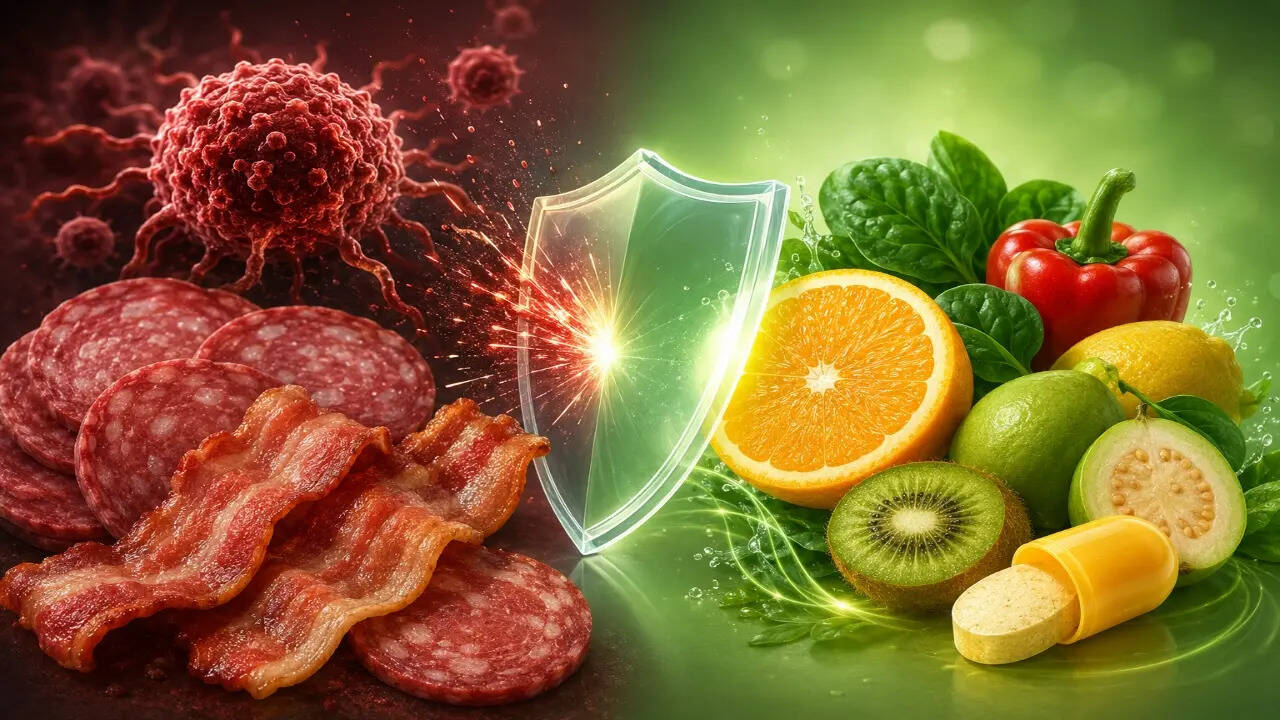
Vitamin C boosts immunity—and we have known that for a long time now. However, this nutrient has a more crucial role to play. According to a new study from researchers at the University of Waterloo, vitamin C supplements could have a role to play in influencing chemical reactions in the digestive system that are associated with cancer development. Researchers used mathematical models to examine how this happens. Over several decades, North American diets have witnessed a steady rise in exposure to nitrites and nitrates. These are compounds found in cured meat, vegetables, and fruits that are grown in polluted soil and water.How do nitrates and nitrites affect health?Nitrates and nitrites play a crucial role in heart and neurological health. They also affect the stomach when it undergoes a chemical reaction known as nitrosation. This leads to the formation of certain chemicals that scientists say can increase cancer risk. Researchers said that, since the 90s, researchers have been working to understand the link between cancer and cancer-causing compounds and have only received conflicting results. The vitamin C study, however, can help explain the inconsistencies.The team of researchers also developed a mathematical model of the stomach, plasma, salivary glands, and small intestine, and simulated how nitrates and nitrites move through your body and change over time. The researchers' model showed that, when vitamin C is present in foods like spinach and leafy greens, along with nitrates, it could work well to reduce cancer risk in the long run.Do you need vitamin C supplements daily?The study also found that taking vitamin C supplements regularly after every meal could have a positive impact on health. It could be effective in reducing the formation of nitrosation products that are linked to cancer risk from nitrates and dietary nitrites found in foods like salami and bacon. Researchers stated that this could help support future research. This acts as a roadmap for future clinical research, and it can help identify the key drivers of these potentially harmful chemical reactions, such as meal timing, nitrite exposure, oral microbiome activity, antioxidant intake, and gastric conditions.The study, titled “Vitamin C as a Nitrosation Inhibitor: A Modelling Study Across Dietary Patterns and Water Quality”, is published in the Journal of Theoretical Biology.What are the best natural sources of vitamin C?Fruits and vegetables are the best sources of vitamin C, some of the best sources being:GuavaAmlaBell peppersKiwiOrangesLemonsGrapefruitBerriesPapayaGreen chilliesIf you are looking for ways to maximise your vitamin C intake, ensure that, from the above list, foods that need cooking are only lightly steamed. Since vitamin C is heat-sensitive and water-soluble, prolonged cooking and boiling can destroy the nutrient.