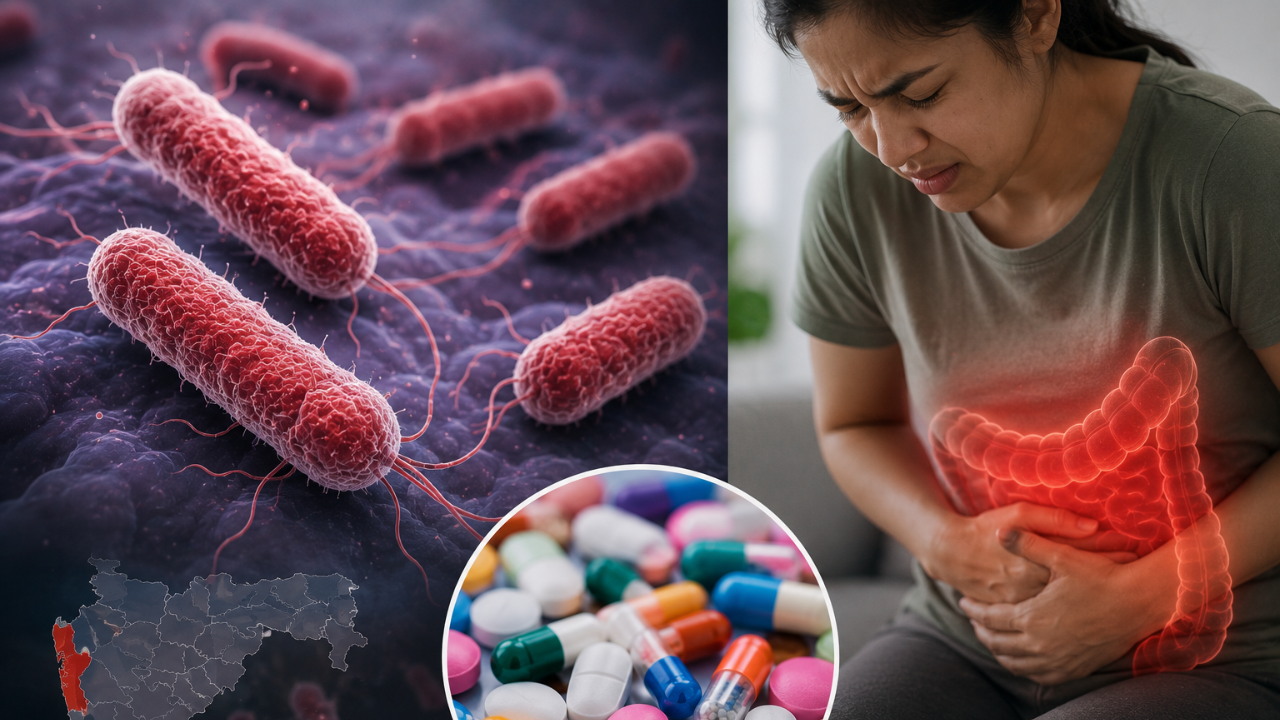
A recent cluster of shigellosis cases in Kerala has raised concerns over antimicrobial resistance (AMR). This adds another challenge to the treatment and management of an infection that can already cause severe intestinal distress. The concern comes as Kerala reported fresh cases of Shigella infection, including a three-year-old child who was hospitalised after consuming a roadside drink. Shigellosis is caused by Shigella bacteria and can spread through contaminated food, water, hands and surfaces. Unlike some other foodborne infections, only a very small number of bacteria may be enough to cause illness, making the infection highly transmissible. This has raised fresh concerns about food and water safety in the state. Drug Resistance Can Make Shigellosis Harder To Treat Most people with shigellosis recover with fluids and supportive care, but people with severe symptoms may need antibiotics. The problem at hand is that Shigella is becoming increasingly resistant to commonly used antibiotics. Kerala's KARS-NET (Kerala Antimicrobial Resistance Surveillance Network), one of the strongest AMR surveillance systems in the country, has been tracking the AMR profile of Shigellosis since 2023. Its data says that the resistance profile of primary antibiotics used to treat the infection is growing. According to KARS-NET, Ciprofloxacin, which is recommended by the national guidelines for Shigella dysentery treatment, has a resistance profile of 96%. Therefore, it can no longer be relied upon for Shigellosis treatment.Also read: H5 Bird Flu Spreads To Australian Mammals: Is It Nearing Humans? R. Aravind, head of infectious diseases, Government Medical College, Thiruvananthapuram, who is also the convener of KARS-Net said, “Till now, community-acquired AMR had not been a problem in the State. If you, as a citizen, have never been worried about AMR, you should be now, because it is showing up right at your doorstep. Our arsenal of effective and affordable antibiotics for common infections in the community is shrinking." Ceftriaxone is the next available drug that has developed pathogenic resistance. It is a third-generation Cephalosporin class antibiotic, which has gone up to 36%. He added, “Clinicians have been using Ceftriaxone for treating Shigellosis in patients who get admitted to hospital. But the clinical implication of growing resistance of Shigella to this drug is immense."Also read: H1N1 Flu Rising in India: Why Heart Patients Need to Watch Complications Due To Shigellosis Shigellosis could get severe in vulnerable populations like children below five years and the elderly. It can lead to severe dehydration, sepsis and neurological complications. In some cases, the infection can spread beyond the intestine and enter the bloodstream, causing bacteraemia and sepsis, which can become life-threatening. These complications warrant urgent use of antibiotics. R. Aravind also said, "For Shigellosis patients with severe dysentery going into septic shock and multiorgan failure, it is absolutely important that the correct antibiotic is administered within an hour and that it is 100% sensitive. This means that for such serious patients, we can no longer depend on Ceftriaxone and have to go for high-end drugs like Meropenem which belongs to the Carbapenem class, widely considered the last-resort antibiotics." Shigellosis: Prevention Tips Because Shigella can spread through very small amounts of faecal contamination, basic hygiene remains crucial. Health experts recommend: Drinking safe or boiled waterWashing hands thoroughly with soapAvoiding food from unhygienic sourcesEating freshly prepared foodAvoiding contaminated or improperly stored drinksPreventing infected people from preparing food for others