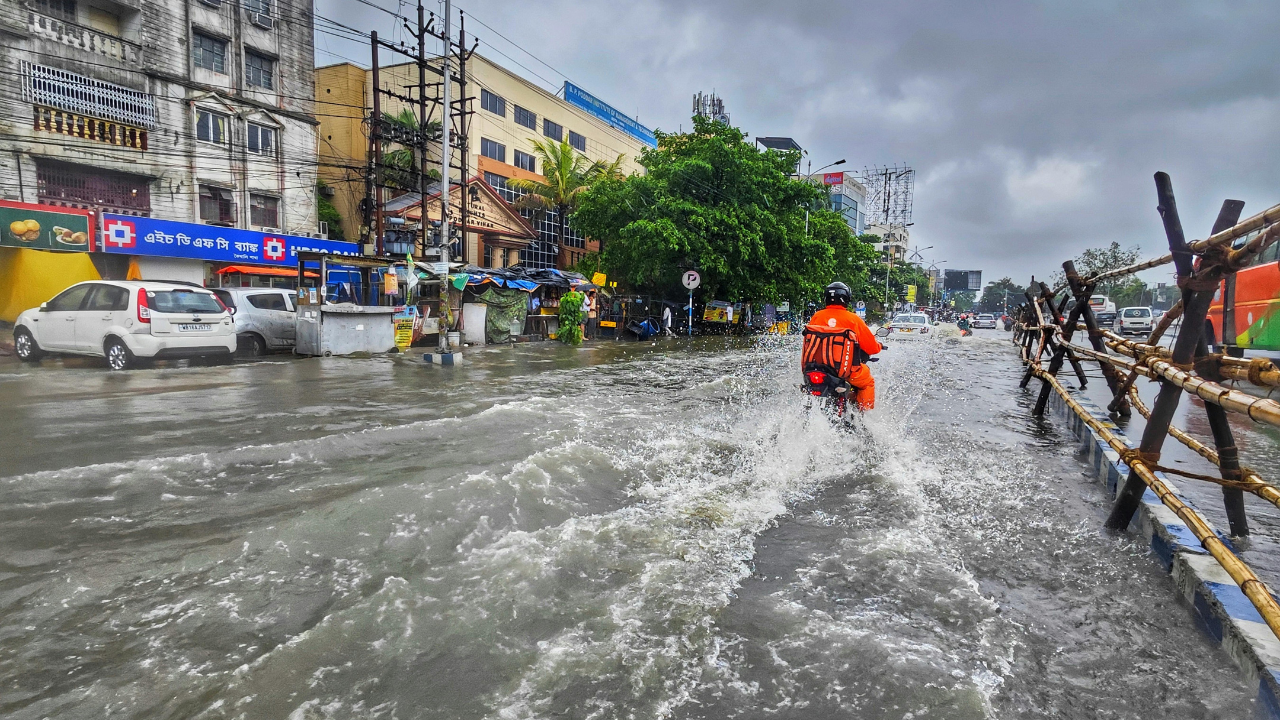
For most people, the arrival of monsoon brings welcome relief from the scorching summer heat. For physicians, however, it also signals the beginning of a season when managing chronic lifestyle diseases becomes significantly more challenging.High humidity, fluctuating temperatures and a sharp rise in seasonal infections create conditions that can quietly destabilise diabetes, hypertension and heart disease, even in people whose conditions are otherwise well controlled.Lifestyle diseases are often thought of as long-term conditions that progress gradually. Yet they are also highly sensitive to environmental changes. During the monsoon, the body works harder to regulate temperature and maintain normal circulation. High humidity reduces the body'sability to cool itself efficiently, increasing the workload on the heart. At the same time, sudden shifts between hot outdoor conditions and cold indoor environments can influence blood vessel function, leading to fluctuations in blood pressure. These physiological changes may seem subtle, but for individuals living with chronic illnesses, they can increase the likelihood of complications.The season also brings a surge in viral, bacterial and mosquito-borne illnesses. Infections such as influenza, gastroenteritis, dengue, and fungal diseases are becoming more common, placing additional stress on the body. For people living with diabetes, even a relatively minor infection can upset blood sugar control. The body's response to illness triggers the release of stress hormones that increase blood glucose levels. In contrast, changes in appetite and food intake during illness may increase the risk of both hyperglycaemia and hypoglycaemia if medications or insulin are not adjusted appropriately under medical supervision.Beyond infections, the monsoon often disrupts everyday routines that are essential for effective diabetes management. Reduced physical activity due to persistent rainfall, missed walks, and a greater tendency to indulge in fried, calorie-dense comfort foods can contribute to poor glycaemic control. Prolonged exposure to damp conditions, particularly from wearing wet or closed footwear for extended periods, also increases the risk of fungal infections and delayed wound healing—complications that people with diabetes are already more susceptible to. While these changes may appear routine, together they can make diabetes significantly more difficult to manage during the rainy season.Seasonal changes equally influence hypertension, although the effects are often less obvious. Variations in temperature and atmospheric pressure can cause blood vessels to constrict or relax, leading to fluctuations in blood pressure. Dietary habits also tend to shift during the rainy season, with increased consumption of salty snacks, pickles, and processed foods, which contribute to sodium overload and fluid retention. Because hypertension frequently remains symptomless, many people assume they are doing well despite missing medicines or delaying routine blood pressure checks. Unfortunately, uncontrolled blood pressure often comes to light only after a serious complication such as a stroke, heart attack, or acute cardiac event.By Dr. Manjeeta Nath Das, Associate Director – Internal Medicine, PB Health